Introduction
When it comes to weight loss, one question continues to confuse many people:
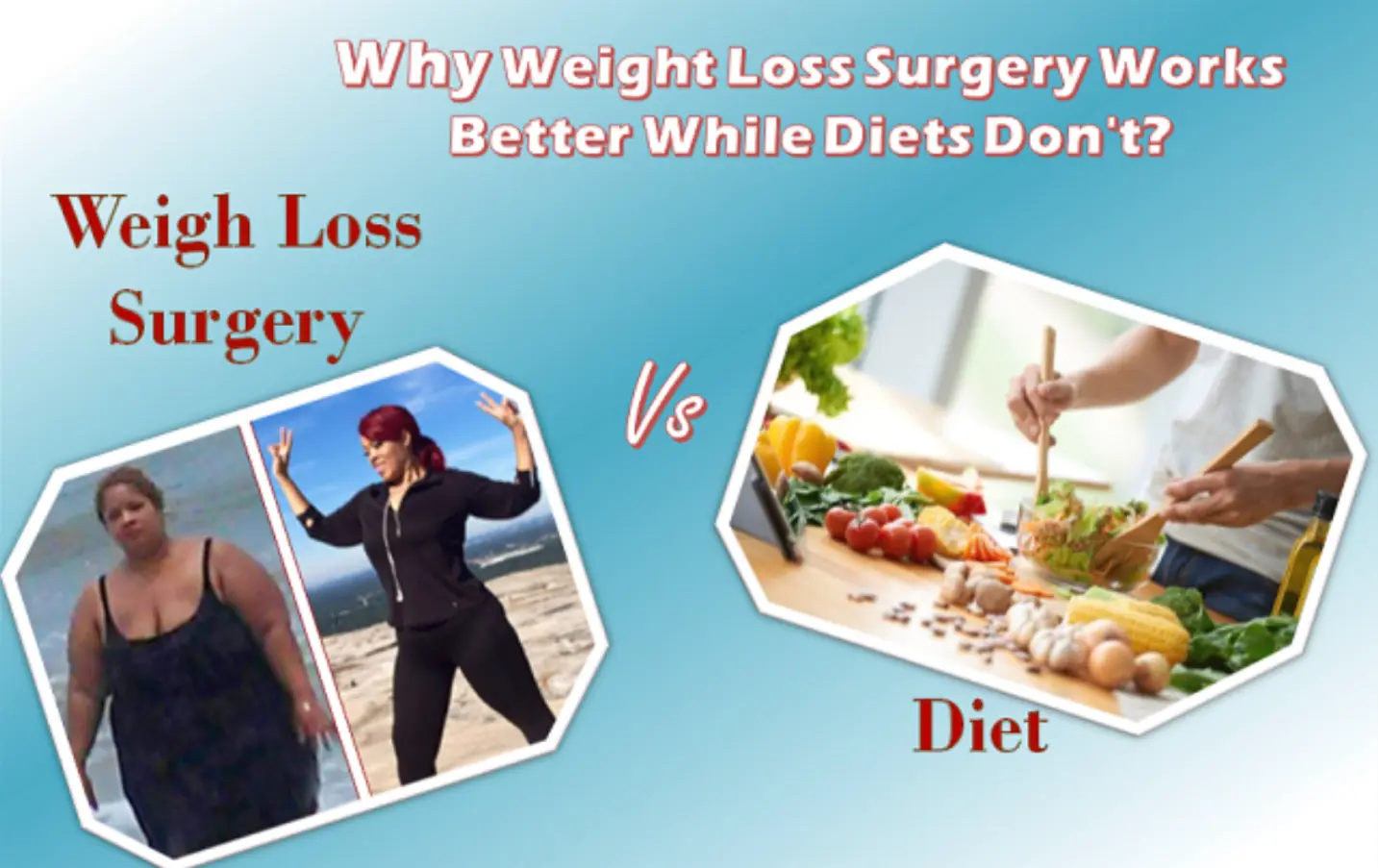
Is it better to lose weight naturally through diet and exercise, or opt for weight loss surgery?
Both approaches have their advantages, but the real concern is long-term results. Many individuals lose weight initially, only to regain it later. So, what truly works in the long run?
In this blog, we’ll break down both methods to help you make an informed and realistic decision.
Diet & Exercise: The Natural Approach
Diet and exercise are always the first recommendations for weight loss. This approach focuses on calorie control, healthy eating, and physical activity.
Benefits
- Completely natural and non-invasive
- Improves overall health and fitness
- No surgical risks or recovery time
- Builds long-term healthy habits
Challenges
While this method works well for many people, it can be difficult to sustain—especially for those dealing with obesity.
- Weight loss is often slow and gradual
- Requires strong consistency and discipline
- Many people experience weight regain over time
- Hormonal and metabolic factors can make weight loss harder
For individuals who are slightly overweight or moderately obese, diet and exercise can be effective if followed consistently.
Weight Loss Surgery: The Medical Approach
Weight loss surgery, also known as bariatric surgery, is designed for individuals struggling with severe obesity or obesity-related health conditions.
It works by:
- Reducing stomach size
- Limiting food intake
- Altering hunger hormones
Benefits
- Significant and faster weight loss
- Helps control conditions like diabetes, high blood pressure, and sleep apnea
- Proven to deliver long-term weight loss results for eligible patients
- Reduces hunger and improves metabolism
Considerations
- Requires medical evaluation and eligibility
- Involves surgery and recovery time
- Lifestyle changes are still necessary after the procedure
Surgery is not a shortcut it’s a powerful tool combined with lifestyle changes.
What Happens in the Long Term?
The biggest difference between these two approaches lies in sustainability.
With diet and exercise, many people struggle to maintain weight loss over several years due to lifestyle challenges and biological factors.
Weight loss surgery, on the other hand, provides physiological support by reducing hunger and improving metabolic function, making it easier to maintain results over time—especially for those with severe obesity.
However, it’s important to understand that:
Surgery alone is not enough. Long-term success still depends on healthy habits.
Who Should Choose What?
Diet and exercise are ideal for:
- Individuals with mild to moderate weight issues
- Those who can maintain consistent lifestyle changes
- People looking for gradual, natural weight loss
Weight loss surgery may be suitable for:
- Individuals with severe obesity (BMI 35+ or with health conditions)
- Those who have tried multiple diets without long-term success
- People facing obesity-related health risks
The Most Effective Approach
In reality, the best results often come from a combination approach.
Even after surgery, patients must follow:
- A balanced diet
- Regular physical activity
- Lifestyle discipline
Think of surgery as a starting point, not the final solution.
Pro Tips for Long-Term Weight Loss
- Focus on sustainable habits, not quick fixes
- Avoid extreme dieting
- Stay physically active daily
- Seek professional guidance when needed
- Prioritize both physical and mental health
Conclusion
There is no one-size-fits-all answer when it comes to weight loss.
Diet and exercise are essential and effective for many people
Weight loss surgery offers a scientifically proven solution for those struggling with severe obesity
The key is choosing the method that aligns with your health condition, goals, and long-term commitment.
At the end of the day, successful weight loss isn’t just about losing kilos—it’s about maintaining a healthier life for years to come.