Patients considering surgery for gallstones can consult Dr. Preethi Mrinalini K for gallbladder stone treatment in Chennai, with care tailored to the diagnosis, symptoms, and individual condition.
A pain under your right ribs after a heavy or oily meal can be easy to dismiss as gas, acidity, or simply something you ate. If it keeps coming back, though, it may be worth finding out what’s actually causing it.
This is how many people first discover they have gallbladder stones. The pain may come and go, sometimes with long gaps between episodes, which makes it tempting to ignore. Gallstones are very common, and many people have them without ever developing symptoms. But once they start causing pain or other problems, getting a proper diagnosis can help you understand what to do next.
This is also when most people start looking for gallbladder treatment in Chennai often after the same pain has shown up two or three times and stopped feeling like a one-off. Not every gallstone needs surgery right away. Some can be monitored, while others, especially if they’re causing repeated pain, inflammation, or blockage, need a more active approach. What matters is understanding which situation applies to you before deciding on treatment.
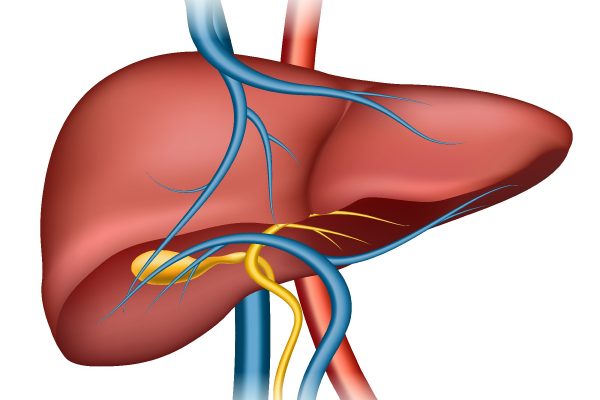
The gallbladder is a small, pear-shaped organ located below the liver. It stores bile, a digestive fluid that helps the body break down fats.
Gallbladder stones, also called gallstones or cholelithiasis, form when substances in bile, commonly cholesterol, harden into small stones. Some people have just one stone, while others may have several. Their size can also vary considerably.
Having stones doesn’t necessarily mean you’ll have symptoms. Many are found accidentally during an ultrasound or scan done for an unrelated reason. Problems usually begin when a stone moves and blocks the opening of the gallbladder or one of the bile ducts.
Gallbladder pain often has a fairly distinct pattern. It usually occurs in the upper right part of the abdomen and may spread towards the back or right shoulder. For some people, it appears after a fatty or heavy meal and can last anywhere from about 30 minutes to several hours.
You may also experience:
Not everyone experiences gallstones in the same way. Some people have occasional mild discomfort, while others experience repeated or severe attacks. If you’ve started noticing a pattern, especially after certain foods, it’s worth mentioning it during your consultation.
Gallstones generally don’t dissolve or disappear on their own. Occasionally, a small stone can pass into the bile duct and move through it, but that doesn’t mean the underlying tendency to form stones has gone away.
If gallstones aren’t causing symptoms, treatment may not be necessary immediately, and your doctor may recommend observation. Once they begin causing repeated symptoms, however, it’s better to have them assessed rather than simply waiting for the next attack.
Not every episode of gallbladder pain is an emergency. But severe pain, pain that continues for several hours, or pain accompanied by fever, chills, or yellowing of the skin or eyes should be assessed promptly.
These symptoms can sometimes indicate cholecystitis, where the gallbladder becomes inflamed, or a blockage in the bile duct.
Even if the pain eventually settles, repeated attacks shouldn’t simply be ignored. Gallstone symptoms can return, and in some cases complications can develop. Getting checked early gives you a clearer idea of what you’re dealing with and what your options are.
If gallstones aren’t causing symptoms, they often don’t require treatment. But once they start causing problems, complications can sometimes occur.
These may include inflammation or infection of the gallbladder, blockage of a bile duct, or inflammation of the pancreas.
This doesn’t mean that every person with symptomatic gallstones will develop a complication. It simply means recurring symptoms deserve proper evaluation rather than being managed indefinitely with home remedies.
Gallstones can form when there is too much cholesterol or bilirubin in the bile, or when the gallbladder doesn’t empty properly and the bile becomes more concentrated.
Factors that can increase the likelihood of developing gallstones include:
Having one or more of these factors doesn’t mean you will definitely develop gallstones. People without these risk factors can develop them too.
An ultrasound is usually the first investigation when gallstones are suspected. It’s a simple, non-invasive scan that can identify stones and assess the gallbladder.
Blood tests may also be recommended to look for signs of inflammation, infection, or a possible bile duct blockage. Depending on the findings, your doctor may recommend additional imaging.
The purpose isn’t just to confirm that stones are present. Your doctor also needs to understand their location and whether they’re causing inflammation or blocking the normal flow of bile. That information helps determine the most appropriate treatment.
Having gallstones doesn’t automatically mean you need surgery.
If stones are found incidentally and aren’t causing symptoms, your doctor may recommend monitoring them rather than treating them immediately.
When stones start causing repeated pain, digestive symptoms, inflammation, or other complications, removing the gallbladder a procedure called cholecystectomy is generally the most reliable long-term treatment.
Laparoscopic gallbladder surgery is the standard surgical approach for most patients.
Instead of making one large incision, the surgeon uses a camera and specialised instruments through several small incisions to remove the gallbladder.
For suitable patients, this usually means smaller surgical wounds, less post-operative discomfort, a shorter hospital stay, and a quicker return to everyday activities compared with traditional open surgery.
Open cholecystectomy involves removing the gallbladder through a larger incision. It is less commonly required today, but it may still be appropriate in certain situations, such as significant inflammation, extensive scarring from previous surgery, or other factors identified during the procedure.
You may also come across robotic gallbladder surgery, which uses robotic-assisted instruments during minimally invasive surgery. Whether this approach is appropriate depends on the individual case and the facilities available.
Your surgeon can explain which approach is suitable for you and why.
No. If gallstones are found but aren’t causing symptoms, surgery is usually not automatically required.
Surgery becomes more likely when stones cause repeated attacks, significant symptoms, inflammation, or complications. The decision should be based on your symptoms, scan findings, overall health, and the risks associated with leaving the condition untreated.
Recovery varies from person to person, but many patients can return to light daily activities within about a week after laparoscopic cholecystectomy.
Your diet and activity may need some adjustment during the first few weeks while your body gets used to functioning without the gallbladder. Your surgeon will also advise you on when you can return to driving, exercise, and physically demanding work.
Gallbladder symptoms can be confusing. Pain may come and go, and it’s easy to mistake it for acidity, gas, or indigestion.
A gallbladder specialist with laparoscopic surgical experience can help determine whether your symptoms are actually coming from the gallbladder, confirm the diagnosis through appropriate tests, and explain whether you need monitoring, lifestyle changes, or surgery.
Sometimes, getting a clear answer is the biggest relief. Once you know what’s causing the recurring pain, you can make a decision based on your actual condition rather than guessing every time it happens.
If you’ve been experiencing recurring pain under your right ribs, particularly after meals, don’t keep assuming it’s just gas or acidity.
A timely evaluation can identify whether gallstones are responsible and help you understand what treatment, if any, is appropriate for you.
Contact Marina’s Clinic to arrange a consultation and discuss your symptoms with the surgical team.
Q1: Can gallstones be treated without surgery?
Yes, gallstones without symptoms may not need immediate treatment. Medicines can dissolve some small cholesterol stones, but for symptomatic gallstones, laparoscopic gallbladder removal is usually the definitive treatment.
Q2: How long is recovery after gallbladder removal?
Most patients recover from laparoscopic gallbladder surgery within 1–2 weeks for routine activities. Full recovery may take longer depending on the patient and whether complications occur.
Q3: Will I have digestion problems after gallbladder surgery?
Most people digest food normally after gallbladder removal. Some may experience temporary diarrhoea or difficulty with fatty foods, which usually improves over time.
Q4: What diet should I follow before and after gallbladder surgery?
Before surgery, reducing fatty foods may help prevent gallstone attacks. After surgery, start with small, light meals and gradually return to a normal balanced diet.
Q5: Do gallbladder flushes or natural remedies remove gallstones?
There is no reliable scientific evidence that gallbladder flushes or herbal remedies remove gallstones. Treatment should depend on the size, symptoms and complications caused by the stones.
Q6: What happens if gallbladder surgery is delayed?
Symptomatic gallstones may lead to complications such as gallbladder inflammation, bile duct blockage or pancreatitis. Persistent pain, fever, vomiting or jaundice needs prompt medical evaluation.
Q7: How much does gallbladder surgery cost in Chennai?
Gallbladder surgery cost in Chennai varies depending on the hospital, surgeon, room category and complexity of the condition. Laparoscopic cholecystectomy may typically cost from around ₹55,000 to over ₹1 lakh.
Q8: Can gallstones come back after gallbladder removal?
Gallstones cannot form again inside the gallbladder once it has been removed. Rarely, stones may remain or form later in the bile ducts and may require additional treatment.
One of Chennai’s best gastrointestinal clinics. We provide the most effective treatment for Gastrointestinal Tract, Gallbladder, Stomach, Colon, Rectum, Piles, fissures, and hernias.

© 2026 Marinas Clinic All rights reserved.Powered by Zero Gravity Technologies.