Heartburn following a spicy meal might appear to be insignificant. Taking an antacid and drinking some water, you would go on with your daily routine.
However, what if the heartburn doesn’t go away? How about the inability to sleep properly, medications no longer helping, and every meal being a risk?
GERD is much more than just acid reflux, and if it isn’t treated on time, it can affect your life negatively and cause you serious complications.
This manual will help you figure out how acid reflux becomes a medical issue, why medications are not necessarily sufficient, and under what conditions you should consider surgery.
Table of Contents
- What Is a Chronic GERD?
- Why Severe Acid Reflux Should Never Be Ignored
- When Antacids Are No Longer Enough
- Signs You May Need GERD Surgery
- Understanding Modern Acid Reflux Surgery
- Who Is the Best Candidate for Surgery?
- Life After GERD Surgery
- Lifestyle Habits That Still Matter
- The Hidden Cost of Delaying Treatment
- Looking Beyond Antacids
1. What Is a Chronic GERD?
Almost everybody suffers from acid reflux from time to time, such as after having a hot meal, eating too much, or laying down right after eating.
But when the acid reflux occurs often and continuously, it could be a sign of Gastroesophageal Reflux Disease (GERD).
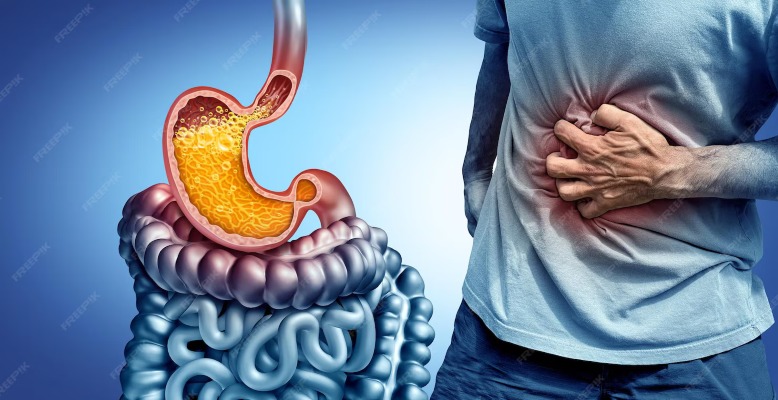
The disease GERD happens when the lower esophageal sphincter, the valve separating the esophagus and the stomach, stops functioning properly and lets stomach acid flow back up into the esophagus.
While many people believe that constant heartburn is just an annoyance, this could be very dangerous if ignored for months or even years.
2. Why Severe Acid Reflux Should Never Be Ignored
Most people associate GERD with heartburn, but the condition often affects far more than the digestive system.
Common symptoms include:
- Persistent heartburn
- Chronic cough
- Hoarseness of voice
- Frequent sore throat
- Difficulty swallowing
- Bad breath
- Asthma-like symptoms
- Regurgitation of food or acid
In the long run, the acid reflux into the esophagus causes a deterioration of the esophagus lining. These complications include ulcers, scar tissues, tightening of the esophagus, and sometimes the development of Barrett’s esophagus, which predisposes one to esophageal cancer.
A minor problem may develop into something serious in the end.
3. When Antacids Are No Longer Enough
Antacids and medications for suppressing acid are taken daily by millions of people.
These medicines have great efficacy in alleviating the symptoms and increasing comfort.
But medications affect only acid production.
The mechanical defect that is causing reflux is not being fixed with the help of medications.
Many patients notice warning signs such as:
- Needing medication every day
- Increasing medication doses over time
- Symptoms returning immediately after stopping medication
- Persistent reflux despite prescription treatment
When this happens, it may be time to explore treatment options beyond temporary symptom control.
4. Signs You May Need GERD Surgery
Surgery is not the primary recommendation in treating GERD. But if your condition persists, surgery can become a very good choice indeed.
You may want to consider seeking out a surgical consult if you have:
Persistent Symptoms Despite Medication
When acid reflux continues despite appropriate medical treatment, surgery may help address the root cause.
Dependence on Long-Term Medication
Some patients prefer a long-term solution rather than relying on daily medication indefinitely.
Large Hiatal Hernia
A hiatal hernia can contribute significantly to reflux symptoms and may require surgical correction.
Nighttime Reflux
Frequent acid reflux during sleep can disrupt rest and increase the risk of complications.
Chronic Respiratory Problems
Repeated aspiration of refluxed stomach contents may cause coughing, breathing difficulties, or recurrent lung infections.
Esophageal Damage
Complications such as strictures, ulcers, or Barrett’s esophagus often require more aggressive treatment approaches.
The goal of surgery is not simply symptom relief—it is to restore the body’s natural barrier against reflux.
5. Understanding Modern Acid Reflux Surgery
GERD surgery has evolved significantly over the years. Modern procedures focus on strengthening the lower esophageal sphincter while preserving normal swallowing function.
Fundoplication
Fundoplication continues to be among the most popular GERD surgeries.
The procedure involves wrapping the upper part of the stomach around the lower part of the esophagus. In doing so, the procedure strengthens the valve mechanism such that no acid can flow back.
Most modern-day fundoplications are done using the laparoscopic method.
Advanced Treatment Options
Depending on individual anatomy and symptoms, some patients may benefit from:
- Magnetic sphincter augmentation devices
- Endoscopic anti-reflux procedures
- Hiatal hernia repair combined with reflux surgery
Choosing the right treatment requires a thorough evaluation that may include endoscopy, imaging studies, pH monitoring, and esophageal function testing.
6. Who Is the Best Candidate for Surgery?
Not every person with heartburn requires surgery.
The best outcomes are usually seen in patients who:
- Have confirmed GERD
- Experience significant symptom relief from acid-reducing medications
- Need medication continuously to remain symptom-free
- Have a hiatal hernia contributing to reflux
- Experience medication side effects
- Prefer a long-term solution instead of lifelong medication
A detailed assessment helps determine whether surgery is the most appropriate treatment option.
7. Life After GERD Surgery
One of the biggest questions patients ask is, “Will life improve after surgery?”
For many individuals, the answer is yes.
Successful GERD surgery often leads to:
- Significant reduction in heartburn
- Less regurgitation
- Better sleep quality
- Improved eating experiences
- Reduced dependence on medications
- Better overall quality of life
Recovery varies depending on the procedure performed. Minimally invasive surgeries generally allow patients to return to normal activities faster than traditional open surgery.
Temporary dietary adjustments are often recommended while healing takes place.
8. Lifestyle Habits That Still Matter
Even after successful treatment, healthy habits remain important.
To minimize reflux symptoms and protect long-term results:
Maintain a Healthy Weight
Excess abdominal pressure can contribute to reflux.
Eat Smaller Meals
Large meals increase stomach pressure and may trigger symptoms.
Chew Food Thoroughly
Proper digestion begins in the mouth and reduces stress on the digestive system.
Avoid Smoking and Excess Alcohol
Both can weaken the lower esophageal sphincter and increase reflux risk.
Avoid Late-Night Meals
Giving your stomach time to empty before bedtime can significantly reduce nighttime reflux.
These simple habits support better digestive health and enhance treatment outcomes.
9. The Hidden Cost of Delaying Treatment
Many people tolerate severe acid reflux for years because they assume it is harmless.
The reality can be very different.
Untreated GERD can affect:
- Sleep quality
- Workplace productivity
- Social activities
- Dietary freedom
- Emotional well-being
- Long-term esophageal health
Additionally, the ongoing cost of medications and repeated medical visits can become significant over time.
Early evaluation allows healthcare providers to identify complications before they become serious and explore the most effective treatment options.
10. Looking Beyond Antacids
Heartburn now and then is common.
GERD is not.
Although drugs keep helping millions manage their problems, they are not the only options out there. For those suffering from ongoing reflux, complications, or dependency on drugs for life, modern surgery can provide a long-term solution.
The problem lies in knowing that sometimes heartburn isn’t just heartburn.
In case acid reflux persists despite taking the medication, one can consider asking an important question.
Are you treating the symptom or are you treating the problem at last?