
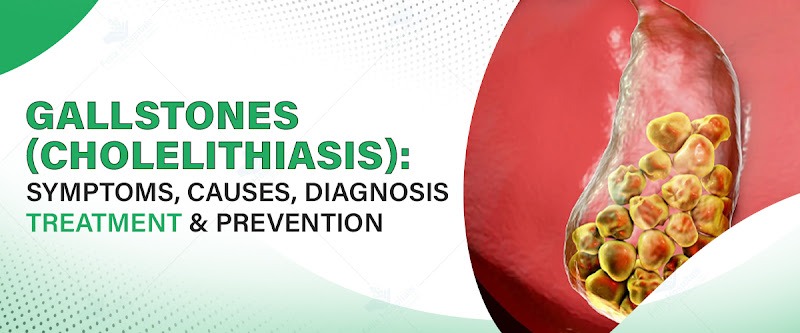
Surprisingly enough, gallstones occur relatively often, but there are cases when a person can have them and not even be aware of their presence. Sometimes they may simply cause no harm at all, but sometimes they may cause serious problems, triggering acute attacks of gallbladder which would require urgent treatment.
But how do you know if your stones can be controlled or treated immediately?
In this article, we will explain the difference between silent gallstones and active attacks of the gallbladder, symptoms which are impossible to overlook, and situations when urgent medical help is necessary.
Table of Contents
- What Are Silent Gallstones?
- What Happens During a Gallbladder Attack?
- Silent Gallstones vs. Active Attacks: Key Differences
- When Is It Safe to Wait and Watch?
- Warning Signs You Should Never Ignore
- When Gallstones Become a Medical Emergency
- Why Some Gallstones Stay Silent
- Treatment Options for Gallstones
- Lifestyle Habits That Support Gallbladder Health
- Listen to What Your Body Is Telling You
1. What Are Silent Gallstones?
Many patients learn about the presence of gallstones unexpectedly during an ultrasound or general check-up done for another purpose.
They are called silent gallstones since they don’t produce any symptoms and don’t hinder everyday activities.
The gallstone is a hard structure that can appear in the gallbladder and can be formed out of cholesterol or bilirubin. Although the term “stone” sounds scary, the silent gallstones tend to stay stable for years without causing any trouble.
Since there are no symptoms, most doctors suggest monitoring the situation rather than rushing into surgery.
2. What Happens During a Gallbladder Attack?
However, there are huge differences between experiencing a gallbladder attack and having silent gallstones.
This condition arises from a gallstone that causes obstruction in the normal bile flow. It causes irritation and inflammation within the gallbladder.
The pain usually arises all of a sudden and mostly after consuming a fatty meal. Most individuals describe it as a stabbing pain on the upper-right part of their abdomen. The pain could radiate to the back or right shoulder.
Additional symptoms may include:
- Nausea
- Vomiting
- Bloating
- Sweating
- Digestive discomfort
Unlike ordinary indigestion, the pain of a gallbladder attack is often severe and difficult to ignore.
3. Silent Gallstones vs. Active Attacks: Key Differences
The biggest difference comes down to symptoms.
Silent Gallstones
- Cause no pain or discomfort
- Do not block bile flow
- Usually discovered accidentally
- Often require only monitoring
Active Gallbladder Attacks
- Cause sudden abdominal pain
- Frequently occur after meals
- May return repeatedly
- Can lead to inflammation and complications
Although the presence of silent gallstones may not require immediate intervention, symptoms of an attack often suggest irritation or blockage of the gallbladder.
This knowledge allows patients to prevent both panic and potentially deadly delay of care.
4. When Is It Safe to Wait and Watch?
If gallstones are not causing symptoms, many doctors recommend a “watchful waiting” approach.
This means monitoring the condition without immediate intervention.
You can usually continue with normal life while focusing on healthy habits such as:
- Maintaining a healthy body weight
- Eating a balanced, high-fiber diet
- Staying hydrated
- Exercising regularly
- Avoiding rapid weight-loss programs
Crash diets and sudden weight loss can increase the risk of gallstone-related problems, making gradual and sustainable lifestyle changes the better option.
As long as symptoms remain absent, observation is often considered safe.
5. Warning Signs You Should Never Ignore
Gallstones can remain silent for years and then suddenly become problematic.
Contact a healthcare professional if you experience:
- Persistent abdominal pain lasting several hours
- Repeated pain after meals
- Pain that wakes you from sleep
- Ongoing nausea or vomiting
- Loss of appetite
- Abdominal tenderness
These symptoms may indicate that gallstones are beginning to interfere with normal gallbladder function.
Early evaluation can help prevent more serious complications later.
6. When Gallstones Become a Medical Emergency
Certain symptoms should never be ignored because they may signal serious complications.
Seek immediate medical attention if you experience:
- Severe abdominal pain
- Fever and chills
- Yellowing of the skin or eyes (jaundice)
- Dark-colored urine
- Pale or clay-colored stools
- Confusion or dizziness
- Inability to keep fluids down
These warning signs may indicate conditions such as:
- Acute cholecystitis (gallbladder inflammation)
- Bile duct obstruction
- Pancreatitis
- Serious infection
In these situations, emergency treatment may include imaging tests, intravenous fluids, antibiotics, pain management, or urgent surgery.
Prompt treatment can significantly improve recovery outcomes.
7. Why Some Gallstones Stay Silent
One of the biggest mysteries surrounding gallstones is why some never cause symptoms while others lead to repeated attacks.
Several factors may influence this, including:
- Stone size
- Stone location
- Movement within the gallbladder
- Genetics
- Diet and lifestyle factors
Interestingly, smaller stones can sometimes be more dangerous because they can travel into the bile ducts and create blockages more easily than larger stones.
This is why symptom severity does not always correspond to stone size.
8. Treatment Options for Gallstones
Treatment depends largely on whether symptoms are present.
For silent gallstones, monitoring is often sufficient.
For symptomatic gallstones, treatment options may include:
Medication
In selected cases, medications may help dissolve certain cholesterol stones. However, results can take time and are not suitable for everyone.
Laparoscopic Gallbladder Surgery
This is the most common treatment for recurring gallbladder attacks. The procedure removes the gallbladder through small incisions and typically allows for faster recovery.
Emergency Intervention
When complications develop, urgent medical care and surgery may be necessary to prevent serious health risks.
A specialist can recommend the most appropriate treatment based on symptoms and overall health.
9. Lifestyle Habits That Support Gallbladder Health
Although no lifestyle change can guarantee prevention of gallstone complications, healthy habits may reduce risk.
Helpful practices include:
- Eating regular meals
- Including fruits and vegetables in daily meals
- Choosing whole grains
- Consuming healthy fats in moderation
- Staying physically active
- Managing cholesterol levels
- Controlling diabetes effectively
- Maintaining a healthy weight
These habits support not only gallbladder health but overall digestive wellness as well.
10. Listen to What Your Body Is Telling You
Symptoms associated with gall bladder problems may easily be confused with acidity, indigestion, or muscle spasms.
Nevertheless, the continuous occurrence of pain in the upper stomach region, especially after consuming greasy food items, should never be ignored.
It will prove to be beneficial for you to maintain a journal of your symptoms.
The recording of pain, its duration, and the triggering foods can help greatly in diagnosis.
Know the Difference Before It Becomes an Emergency
Silent gallstones as well as gallbladder attacks can be caused by the same problem, although the approach to each one is completely different.
Silent gallstones may only need monitoring on a regular basis. Gallbladder attacks may indicate inflammation, obstruction, or infection, which needs to be treated promptly.
Recognizing the early signs will help you take appropriate actions in terms of your own health care. Be aware of any changes, seek professional opinion if necessary, and do not neglect severe abdominal pain, fever, or jaundice.
Taking the proper steps will help you avoid complications in the future.