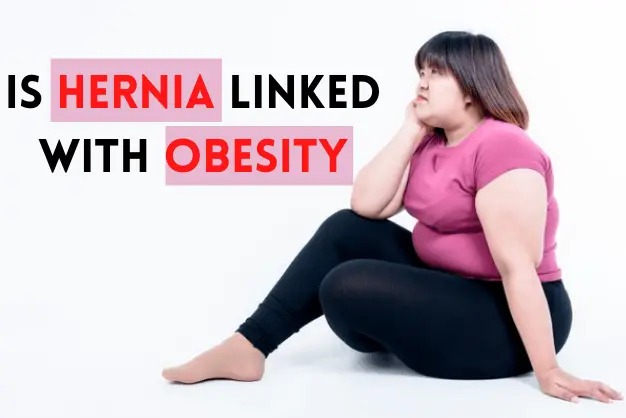
What if those extra pounds are doing more than just hurting your knees and back?
Most people get that being obese can mess up your heart, spike blood pressure, and sabotage overall health. Yet, not many folks know it can make you more prone to hernias too.
A hernia usually begins pretty sneakily. You might notice a tiny bulge, feel a bit achy once in a while, or just think something doesn’t feel right. Lots of people blow off these first signs, figuring they’re nothing big.
However, what seems like a small inconvenience can turn into serious pain and maybe even need surgery down the road.
So, does carrying extra weight bump up your chances of getting a hernia?
The short answer is yes.
Grasping why this happens might help you stay healthy and avoid issues before they get worse.
Understanding What a Hernia Really Is
A hernia happens when an organ or tissue pokes through a weak muscle or tissue area nearby. Imagine your abdominal wall as a shield, if it gets too weak or gets pressured, tissues can protrude through it, creating a visible or invisible bulge.
Common types include:
- Inguinal hernia
- Umbilical hernia
- Incisional hernia
- Hiatal hernia
- Femoral hernia
While hernias can affect people of all ages and body types, certain factors significantly increase the risk and obesity is one of the most important.
The Hidden Connection Between Excess Weight and Hernias
Imagine carrying a heavy backpack every hour of every day.
Eventually, the constant pressure would strain your shoulders and back.
Similarly, excess body weight places continuous pressure on the abdominal wall.
This ongoing strain can stretch out your abdominal muscles and weaken the connective tissues. So, each time you move, you’re adding more stress to that area, which makes any pre-existing weak spots worse.
In the long run, this pressure can become too much for the abdominal wall to handle, and that’s when a hernia might develop. That’s why doctors link obesity with a higher risk of hernias in their studies and everyday work.
Why Belly Fat Matters More Than You Think
Not all weight affects the body the same way.
Excess belly fat leads to intra-abdominal pressure, which means more force is pushing outwards from the abdomen. This extra pressure can stress already weakened muscles, expand existing problems, and speed up hernia formation. It also increases the chances of a hernia coming back even after being fixed.
For individuals carrying significant weight around the stomach area, the risk can be considerably higher than they realize.
At Marina’s Clinic, specialists carefully evaluate both the hernia itself and contributing factors such as weight, lifestyle, and overall health to create personalized treatment plans.
Can Excess Weight Make Existing Hernias Worse?
The answer is usually yes. A tiny hernia that barely hurts might grow way faster when you put on extra pounds, since more weight means more pressure in your tummy area.
Patients frequently experience:
- Increased discomfort
- Heavier pulling sensations
- Larger visible bulges
- Difficulty with physical activity
In some cases, untreated hernias can lead to serious complications if tissues become trapped or lose blood supply.
This is why early hernia diagnosis and treatment is so important, especially for individuals struggling with obesity.
The Recovery Challenge: Why Weight Also Affects Treatment
A lot of folks look at how being overweight can cause a hernia, but not many grasp how it affects recovery.
If you carry extra pounds, your body might find healing tougher.
Why?
Well, there’s more strain on your surgical site, which limits mobility. Also, your recovery drags on longer, and the chance of the hernia coming back rises.
The risk of recurrence can increase
Recovery may take longer
This doesn’t mean treatment isn’t effective. It simply means that a comprehensive care plan becomes even more important.
The medical team at Marina’s Clinic works closely with patients to address these factors before and after treatment, helping improve outcomes and support long-term recovery.
Signs You Should Never Ignore
Hernias rarely disappear on their own.
Recognizing symptoms early can prevent more serious complications later.
Look out for a noticeable bulge in your abdomen or groin, pain while lifting things, pressure in the area, or discomfort when you cough or bend over.
Also watch for swelling that gets worse as the day goes on. If these symptoms pop up, see a doctor right away.
Some folks put off getting help because the symptoms aren’t too bad.
Sadly, the hernia can get harder to fix if it grows larger over time. So it’s best not to wait.
Can Weight Loss Reduce Hernia Risk?
This is where the story gets encouraging.
While weight loss might not fix an existing hernia, staying at a healthy weight can lessen pressure on your abdomen.
This can lead to lower abdominal strain and less severe symptoms. It also improves surgery results if that route is needed, speeds up recovery time, and cuts down the risk of the hernia coming back.
Adopting easy habits like eating balanced meals, getting regular exercise, building core strength, using proper lifting techniques, and keeping up with weight management really pays off.
Not only do these help prevent future problems, but they boost overall health too.
Why Personalized Care Matters
No two hernia cases are exactly alike.
Some patients have small hernias with mild symptoms. Others experience larger defects that interfere with daily activities. Weight, age, medical history, and lifestyle all influence the best treatment approach.
This is why personalized evaluation is crucial.
At Marina’s Clinic, patients receive comprehensive assessments that consider not only the hernia itself but they also check for underlying issues like obesity and abdominal pressure, and take into account each patient’s general health. Considering all these factors helps make sure that the treatment takes care of the hernia now and keeps it from coming back later.
The Bigger Picture: More Than Just a Bulge
A hernia might start off seeming minor, but it usually indicates bigger issues inside your body.
Excess weight causes ongoing internal pressure, affecting your muscles, tissues, and how you recover. If you don’t deal with it, this pressure could lead to hernias getting worse, forming, or making treatments harder.
The bright side? Being aware gives you an advantage.
Knowing that extra weight links to hernia issues lets you take early action for better health. This can mean catching problems sooner and getting treatments to work better.
At Marina’s Clinic, patients receive expert evaluation, accurate diagnosis, and personalized treatment plans for various types of hernias.
The clinic’s experienced specialists help identify underlying risk factors such as excess weight, provide guidance on lifestyle modifications, and recommend the most suitable treatment options.
From initial consultation to post-treatment recovery, Marina’s Clinic supports patients at every stage, helping them achieve better outcomes and reduce the risk of future complications.