14 Holiday Recipes To Try
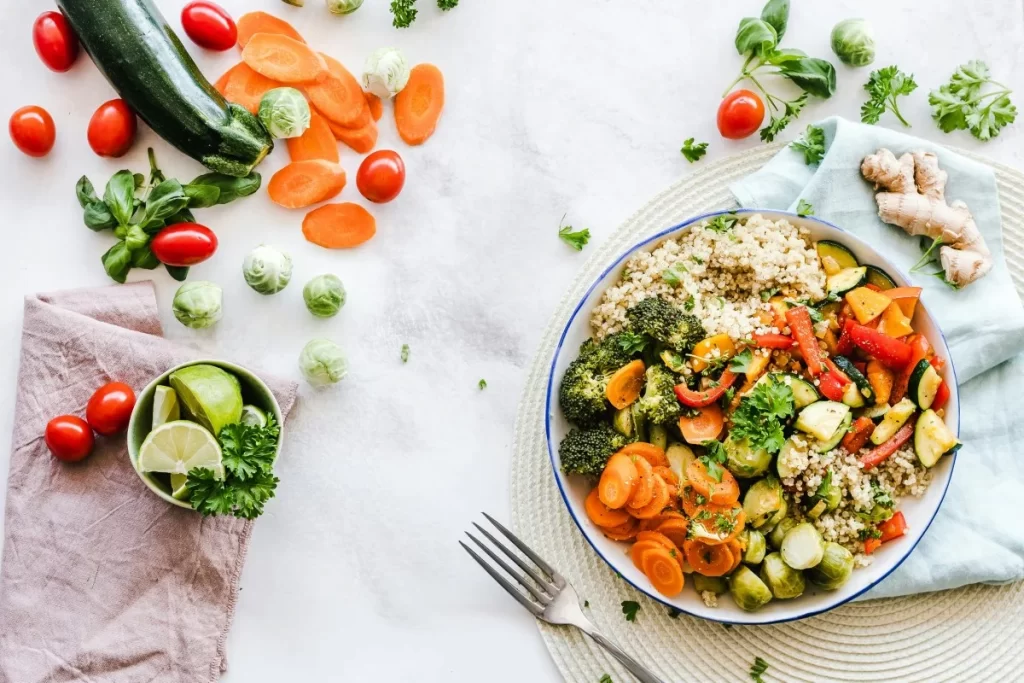
Celebrating Safely This Holiday Season IntroductionThe holiday season is upon us, and what better way to celebrate than by indulging in some delightful and nutritious recipes curated by none other than Dr. Preethi Mrinalini, the best female doctor in Chennai. As we embark on a culinary journey, let’s explore 14 mouthwatering holiday recipes that not only tickle your taste buds but also promote a healthy lifestyle. 1. Roasted Butternut Squash SoupStart your festive feast with a warm and comforting bowl of Dr. Preethi’s Roasted Butternut Squash Soup. Packed with vitamins and antioxidants, this soup is a perfect way to kick off your holiday gatherings. Share this bowl of festive goodness with your loved ones, and let the holiday spirit warm both hearts and bellies at your gathering. 2. Quinoa-Stuffed Acorn SquashElevate your side dishes with Quinoa-Stuffed Acorn Squash, a nutrient-rich alternative to traditional stuffing. Dr. Preethi’s recipe combines the goodness of quinoa, nuts, and seasonal herbs for a flavorful and wholesome dish. 3. Cranberry and Pecan SaladAdd a burst of color and flavor to your holiday table with a Cranberry and Pecan Salad. This refreshing salad is a palate cleanser, balancing the richness of other festive dishes.It is not only a delightful addition to your holiday spread but also a nutritious option for those looking to maintain a balance during the festive season. 4. Herb-Roasted Turkey BreastNo holiday feast is complete without a succulent turkey. Dr. Preethi’s Herb-Roasted Turkey Breast is a healthier option that doesn’t compromise on taste. The blend of aromatic herbs ensures a flavorful and juicy centerpiece for your celebration. Enjoy a healthier, flavorful, and aromatic turkey that will have your guests coming back for seconds. 5. Mashed Sweet Potatoes with CinnamonUpgrade your traditional mashed potatoes and infuse them with a hint of cinnamon. This dish not only satisfies your sweet cravings but also provides essential nutrients. The combination of sweet potatoes and cinnamon creates a delightful symphony of flavors that will leave your taste buds dancing. 6. Baked Salmon with Lemon-Dill SauceFor a lighter main course, try Baked Salmon with Lemon-Dill Sauce. Dr. Preethi’s recipe highlights the benefits of omega-3 fatty acids while delivering a burst of fresh and zesty flavors. 7. Garlic Parmesan Brussels SproutsTransform Brussels sprouts into a crowd-pleaser with Dr. Preethi’s Garlic Parmesan Brussels Sprouts. The combination of garlic and Parmesan adds a savory kick to this nutritious side dish. 8. Whole Wheat Pumpkin BreadSatisfy your sweet tooth with Whole Wheat Pumpkin Bread, a guilt-free dessert option. Incorporate whole wheat flour for a healthier twist on this classic holiday treat. This wholesome and delicious Whole Wheat Pumpkin Bread is a delightful way to indulge your sweet cravings without compromising on your commitment to a healthier lifestyle. 9. Vegetarian Lentil LoafCater to your vegetarian guests with a hearty Vegetarian Lentil Loaf. Packed with protein and fiber, this dish is not only nutritious but also bursting with savory flavors. Whether you’re hosting a dinner party or simply looking for a nutritious meal for your family, this savory loaf is sure to impress even the most dedicated carnivores. 10. Baked Apple Slices with Caramel DrizzleTreat yourself to a guilt-free dessert with Baked Apple Slices featuring a luscious caramel drizzle. Dr. Preethi’s recipe showcases the natural sweetness of apples while keeping things wholesome. 11. Herbed Quinoa StuffingUpgrade your stuffing game with Herbed Quinoa Stuffing, a protein-packed alternative to traditional bread stuffing. Dr. Preethi’s recipe combines quinoa, fresh herbs, and aromatic spices for a delicious twist. 12. Pomegranate and Orange SaladRefresh your palate with a vibrant Pomegranate and Orange Salad. Dr. Preethi’s choice of seasonal fruits brings a burst of color and freshness to your holiday table. 13. Green Bean AlmondineAdd a touch of elegance to your holiday spread with Green Bean Almondine. Dr. Preethi’s recipe combines crisp-tender green beans with toasted almonds for a simple yet sophisticated side dish. 14. Chocolate-Dipped Orange Shortbread CookiesEnd your holiday feast on a sweet note with Chocolate-Dipped Orange Shortbread Cookies. Dr. Preethi Mrinalini’s recipe adds a citrusy twist to the classic shortbread, creating a perfect bite-sized indulgence. ConclusionThis holiday season, elevate your culinary skills with these 14 delightful recipes curated by Dr. Preethi Mrinalini, the best female doctor in Chennai. From savory mains to sweet treats, these dishes are sure to bring joy and flavor to your festive celebrations. Happy cooking! Recent Posts 14 Holiday Recipes To Try 22 Jan 2024 Harms of Aerated Drinks 22 Jan 2024 Celebrating Safely This Holiday Season 17 Jan 2024 Tips to Prevent Blood Clots After Surgery 17 Jan 2024 What is Laparoscopic Cholecystectomy: Procedure, Risks and Recovery 24 Dec 2023 Have Any Question? Contact us +91 98840 00171 [email protected]
Harms of Aerated Drinks

Celebrating Safely This Holiday Season Introduction:Aerated drinks have become an inseparable part of our daily routines in a world driven by fast-paced lifestyles and convenience. Whether it’s a social gathering, a quick refreshment during work hours, or a family dinner, sodas, and other carbonated beverages have found their way into our lives. However, the consequences of consuming these fizzy delights should be considered. These drinks are often loaded with high levels of added sugars, artificial sweeteners, and preservatives, which can lead to weight gain, obesity, and an increased risk of chronic conditions such as type 2 diabetes and cardiovascular diseases. Sugar OverloadOne of the leading concerns associated with aerated drinks is their staggering sugar content. These beverages are loaded with high-fructose corn syrup, contributing significantly to the rising rates of obesity, diabetes, and metabolic disorders. Excessive sugar intake can lead to insulin resistance, promoting the development of chronic conditions.These chemicals, used to enhance flavor, color, and shelf life, have been linked to various health issues, including allergic reactions, digestive problems, and even neurological disorders. The long-term impact of consistent consumption of these additives requires further research, but the existing evidence raises concerns about their potential harm to human health. Dental DecayThe acidic nature of aerated drinks poses a severe threat to dental health. The combination of carbonation and acids erodes tooth enamel, increasing sensitivity, cavities, and tooth decay. Dr. Preethi Mrinalini strongly advises limiting the consumption of these drinks to preserve oral health and prevent the need for extensive dental interventions. To maintain optimal oral health, it is crucial to not only reduce the intake of aerated drinks but also be mindful of the sugar content in various food items. Bone Health is CompromisedContrary to popular belief, aerated drinks do not contribute positively to bone health. The excessive phosphoric acid present in these beverages interferes with calcium absorption, leading to weakened bones and an increased risk of fractures. Dr. Preethi Mrinalini urges individuals, especially those in their formative years, to prioritize healthier alternatives for the sake of their skeletal well-being. Increased Risk of Chronic DiseasesRegular consumption of aerated drinks has been linked to an elevated risk of chronic diseases such as cardiovascular issues, hypertension, and fatty liver disease. It is important to recognize the connection between these seemingly harmless beverages and the long-term health consequences they pose. The spike in blood sugar levels caused by the rapid absorption of sugars from these drinks places additional stress on the body’s metabolic processes. Hidden Caffeine DangersMany aerated drinks contain caffeine, a stimulant that, when consumed in excess, can lead to insomnia, increased heart rate, and anxiety. Furthermore, excessive caffeine consumption can lead to dependence and withdrawal symptoms, such as headaches, irritability, and fatigue. Dr. Preethi Mrinalini advises individuals to be mindful of their caffeine intake and opt for healthier alternatives like herbal teas or infused water. ConclusionIn the pursuit of a healthier lifestyle, it is crucial to acknowledge the harms of aerated drinks and make informed choices about what we consume. Dr. Preethi Mrinalini, the best female consultant in Chennai, advocates for a shift towards beverages that nurture our well-being rather than compromise it. By understanding the potential risks associated with aerated drinks, we can take a significant step towards a healthier, more vibrant life. Recent Posts Harms of Aerated Drinks 22 Jan 2024 Celebrating Safely This Holiday Season 17 Jan 2024 Tips to Prevent Blood Clots After Surgery 17 Jan 2024 What is Laparoscopic Cholecystectomy: Procedure, Risks and Recovery 24 Dec 2023 Can Exercise Reduce Your Risk of Breast Cancer? 24 Dec 2023 Have Any Question? Contact us +91 98840 00171 [email protected]
Celebrating Safely This Holiday Season

Celebrating Safely This Holiday Season Introduction As the holiday season approaches—a time of joy, warmth, and festive gatherings—it’s essential to remember the importance of celebrating safely. This year, more than ever, our festivities are intertwined with a heightened sense of responsibility toward the health and well-being of ourselves and our loved ones. No matter how you’re spending the holidays, you may need to make some tough choices, especially if you’re feeling under the weather and wondering how long you’ll be contagious. Let’s explore practical and thoughtful ways to enjoy the holiday festivities while prioritizing health and safety. From innovative social gatherings to mindful gift-giving, let’s explore a range of topics to help you make the most of this season without compromising on the joy and spirit that make these holidays so special. Stay informed and vaccinated. First and foremost, keep yourself updated with the latest CDC guidelines. Make sure you and your guests are vaccinated against the flu and COVID-19. Vaccinations are a crucial step in ensuring a safe gathering. Additionally, consider implementing measures like social distancing and wearing masks, especially if your event includes individuals who are at higher risk for severe illness. If you have any specific health concerns or questions, consult with Dr. Preethi for personalized advice. Set healthy boundaries It’s important to communicate with your guests about health precautions, including checking Dr. Preethi’s recommendations. Discuss vaccination status and consider using rapid tests to ensure everyone’s safety. It’s okay to set boundaries if it means keeping everyone healthy. Remember, it’s about creating a safe and enjoyable environment for all. Open communication and mutual respect for health and comfort levels are key to ensuring a successful gathering. Be allergy-aware. Food allergies can pose significant risks during holiday feasts. Check with your guests for any allergies, and label your dishes accordingly. This can prevent any accidental allergic reactions and ensure everyone enjoys the meal safely. Consider preparing allergy-friendly alternatives to popular dishes. This not only includes avoiding common allergens like nuts, dairy, and gluten but also being mindful of less common ones. By taking these steps, you can create a welcoming and inclusive atmosphere at your holiday gatherings where everyone, regardless of dietary restrictions, can partake in the joy of a shared meal. Food safety practices As a Chief Consultant, Dr. Preethi strongly believes that food preparation is key to a safe holiday celebration. To prevent cross-contamination, handle meats and vegetables with different utensils. It’s also safer to cook stuffing outside of poultry to prevent the spread of bacteria. Lastly, practice good personal hygiene in the kitchen. Wash your hands frequently, especially after handling raw meat or poultry. Keep your cooking area clean, and sanitize surfaces and cutting boards regularly. These steps will help to prevent foodborne illnesses and ensure a happy, healthy holiday celebration for everyone. Avoid Washing Poultry Contrary to popular belief, washing poultry can spread bacteria around your kitchen. Instead, focus on cooking it thoroughly, as this is the most effective way to kill any harmful bacteria. Opt for plated dishes over buffets. While buffets are a popular choice for holiday meals, plated dishes are safer in terms of hygiene. They reduce the number of people touching the serving utensils, thereby limiting germ spread. With the focus shifting from self-service to personalized service, it ensures a smoother and more refined meal experience for all guests. Keep surfaces clean. Regular cleaning and disinfecting of surfaces, especially in the kitchen and bathroom, are essential. Dr. Preethi says that this helps reduce the risk of germ transmission. This helps reduce the risk of germ transmission. Using the right cleaning agents is important for effectively eliminating bacteria and viruses. Ensure that the cleaning products are suitable for the surfaces you’re treating to avoid damage. Know When to Skip Celebrations Listen to your body. If you’re feeling unwell, it’s better to skip the celebration. It’s important to prioritize rest and recovery over social obligations. Your friends and family will understand and appreciate your consideration for their well-being. Taking care of yourself isn’t just about physical health; it’s also about making responsible choices that reflect respect and care for those around you. Conclusion You can make sure that the holiday season is safe and fun by following these tips. Remember, the best gift you can give your loved ones is the gift of health and safety. Dr. Preethi Mrinalini, chief consultant in Chennai, emphasizes the significance of prioritizing our well-being, urging us to listen to the signals our bodies send us. Choosing rest and recovery over social obligations not only safeguards our health but also reflects a considerate attitude toward the well-being of those around us. Recent Posts Harms of Aerated Drinks 22 Jan 2024 Celebrating Safely This Holiday Season 17 Jan 2024 Tips to Prevent Blood Clots After Surgery 17 Jan 2024 What is Laparoscopic Cholecystectomy: Procedure, Risks and Recovery 24 Dec 2023 Can Exercise Reduce Your Risk of Breast Cancer? 24 Dec 2023 Have Any Question? Contact us +91 98840 00171 [email protected]
Tips to Prevent Blood Clots After Surgery
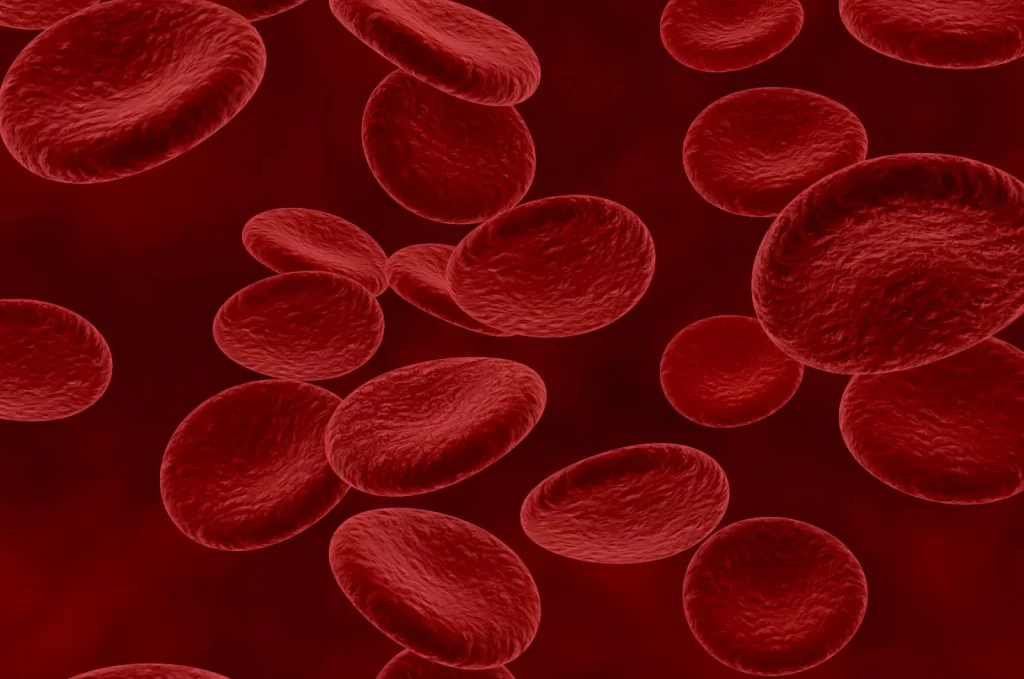
Tips to Prevent Blood Clots After Surgery Introduction Undergoing surgery is a significant step towards improving your health, but it also comes with certain risks. One potential complication that often arises post-surgery is the formation of blood clots. Dr. Preethi Mrinalini, a renowned chief doctor in Chennai, emphasizes the importance of taking preventive measures to minimize the risk of blood clots after surgery. In this blog, we will explore valuable tips sourced from medical experts and the insights provided by Dr. Preethi Mrinalini to ensure your recovery is smooth and complication-free. Understanding the risk Blood clots can pose a serious threat to your health as they may travel to vital organs, causing complications such as pulmonary embolism or stroke. Patients who have undergone surgery are particularly susceptible to blood clots due to factors such as immobility, changes in blood flow, and injury to blood vessels during the surgical procedure. To mitigate the risk of blood clots in post-surgery patients, healthcare professionals employ various preventive measures. One commonly used method is the administration of anticoagulant medications, also known as blood thinners. These medications help prevent the formation of blood clots by interfering with the blood’s ability to coagulate. Stay Active Dr. Preethi Mrinalini advises patients to engage in gentle movements and exercises as soon as possible after surgery. Simple activities like ankle pumps, leg lifts, and short walks can help stimulate blood circulation and prevent clot formation. Always follow your healthcare provider’s recommendations regarding physical activity based on your specific case. If you experience any pain or discomfort during your exercises, it’s essential to communicate this to your healthcare provider. They can guide you on whether to modify your activities, adjust your exercise routine, or if any warning signs need immediate attention. Hydrate Adequately Proper hydration is key to maintaining healthy blood flow. Ensure you drink enough water, unless your surgeon advises otherwise. Hydration helps prevent the blood from thickening and reduces the risk of clotting. Adequate hydration supports the optimal functioning of your heart and blood vessels, promoting efficient blood circulation throughout your body. Adequate hydration supports the optimal functioning of your heart and blood vessels, promoting efficient blood circulation throughout your body. Compression Stockings Compression stockings are designed to improve blood circulation in the legs. Dr. Preethi Mrinalini recommends wearing them as prescribed by your healthcare provider, especially if you have a higher risk of blood clots. These stockings exert gentle pressure on the legs, assisting in preventing clots from forming. Beyond preventing blood clots, compression stockings can offer relief from symptoms such as swelling, achiness, and fatigue in the legs. They are often recommended for individuals with chronic venous disorders, such as varicose veins or chronic venous insufficiency. By improving circulation and reducing fluid buildup in the legs, these stockings contribute to overall leg comfort. Medication Compliance In some cases, your doctor may prescribe blood-thinning medications to reduce the risk of clot formation. It’s crucial to take these medications exactly as prescribed and attend follow-up appointments to monitor their effectiveness and adjust the dosage if necessary. Early Ambulation Moving around as soon as possible after surgery is vital. Dr. Preethi Mrinalini stresses the importance of early ambulation, which not only helps prevent blood clots but also aids in overall recovery. It’s essential to start with gentle movements and gradually increase your activity level as your body allows. However, always follow your surgeon’s guidance on the appropriate activity level for your specific case. Conclusion Preventing blood clots after surgery is a crucial aspect of postoperative care that should not be overlooked. By following the expert advice of Dr. Preethi Mrinalini, the chief doctor in Chennai, and incorporating these proactive measures into your recovery plan, you can significantly reduce the risk of blood clot formation and promote a smoother healing process. Remember to consult with your healthcare provider to tailor these tips to your individual needs and ensure a safe and successful recovery. Recent Posts Celebrating Safely This Holiday Season 17 Jan 2024 Tips to Prevent Blood Clots After Surgery 17 Jan 2024 What is Laparoscopic Cholecystectomy: Procedure, Risks and Recovery 24 Dec 2023 Can Exercise Reduce Your Risk of Breast Cancer? 24 Dec 2023 Navigating Exercise and Lifestyle with a Hiatal Hernia: An In-Depth Guide 18 Dec 2023 Have Any Question? Contact us +91 98840 00171 [email protected]
What is Laparoscopic Cholecystectomy: Procedure, Risks and Recovery
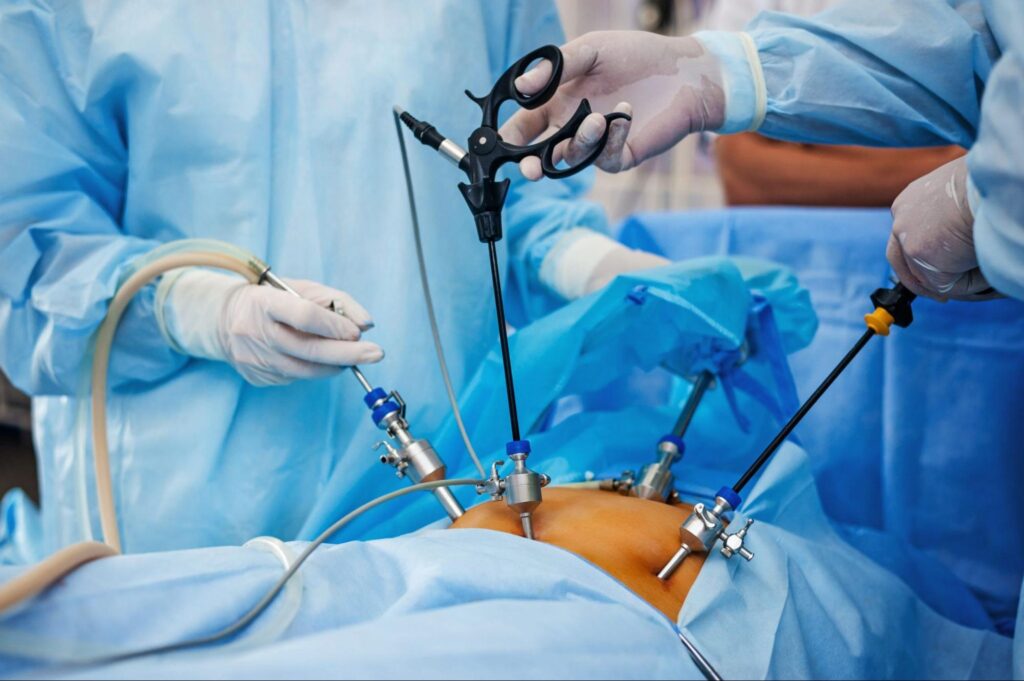
What is Laparoscopic Cholecystectomy: Procedure, Risks and Recovery Laparoscopic cholecystectomy, commonly known as ‘lap cholecystectomy’, is a minimally invasive surgical procedure to remove the gallbladder. At Marina’s Clinic, we are proud to offer this advanced surgical option, led by our skilled surgeon Dr. Preethi. This blog aims to provide com prehensive insights into the procedure, its benefits, recovery process, and the risks involved. Understanding Laparoscopic Cholecystectomy Laparoscopic cholecystectomy is preferred over traditional open surgery due to its less invasive nature. The procedure involves small incisions and the use of a laparoscope – a thin tube with a camera – to guide the surgery. This technique offers a clearer view of the operating area, making it a precise and efficient option. Benefits of Laparoscopic Cholecystectomy at Marina’s Clinic Under the expertise of Dr. Preethi, lap cholecystectomy at Marina’s Clinic comes with several benefits. These include reduced pain post-surgery, minimal scarring, shorter hospital stay, and a quicker return to daily activities. These advantages make it a preferred choice for patients requiring gallbladder removal. Recovery After Lap Cholecystectomy Recovery is a significant aspect of any surgical procedure. At Marina’s Clinic, we ensure that each patient receives personalized post-operative care. The recovery from lap cholecystectomy typically involves less discomfort and a shorter recovery period compared to open surgery. Most patients can resume normal activities within a week, though complete healing may take a bit longer. Risks Associated with Laparoscopic Cholecystectomy While lap cholecystectomy is generally safe, as with any surgical procedure, it carries certain risks. These may include infection, bleeding, and possible injury to nearby organs. Dr. Preethi and the team at Marina’s Clinic are committed to discussing these risks with patients beforehand, ensuring informed consent and the highest standard of care during and after the procedure. Conclusion Laparoscopic cholecystectomy at Marina’s Clinic, guided by the experienced hands of Dr. Preethi, offers a modern, patient-friendly approach to gallbladder removal. With its significant benefits, streamlined recovery process, and managed risks, it stands as an excellent surgical option for those in need. Our commitment at Marina’s Clinic is to provide each patient with the highest level of care, from initial consultation to full recovery. Recent Posts What is Laparoscopic Cholecystectomy: Procedure, Risks and Recovery 18 Dec 2023 Can Exercise Reduce Your Risk of Breast Cancer? 18 Dec 2023 Navigating Exercise and Lifestyle with a Hiatal Hernia: An In-Depth Guide 18 Dec 2023 Comprehensive Guide to Preventing Blood Clots After Surgery 18 Dec 2023 Surgical Management of Ectopic Pregnancy: Expert Approaches at Marina's Clinic 11 Dec 2023 Have Any Question? Contact us +91 98840 00171 [email protected]
Can Exercise Reduce Your Risk of Breast Cancer?

Can Exercise Reduce Your Risk of Breast Cancer? Breast Cancer: A Multifaceted Health Challenge Breast cancer, a prevalent concern for women worldwide, arises from a complex interaction of genetic, environmental, and lifestyle factors. Understanding these aspects is crucial for effective prevention and management. The Medical Basis for Exercise in Cancer Prevention Exercise’s role in reducing breast cancer risk is grounded in several key medical principles: Hormonal Regulation: Physical activity can modulate hormone levels, particularly estrogen. Elevated estrogen levels are linked to increased breast cancer risk. Exercise, by reducing body fat, can lower these levels.Weight Management: As a bariatric surgeon, Dr. Preethi understands the implications of obesity on health, including an increased risk for breast cancer. Regular exercise helps in maintaining a healthy weight.Metabolic Health: Exercise improves overall metabolic health, which is crucial in reducing the risk of various diseases, including cancer. It enhances insulin sensitivity and reduces inflammation, both of which are factors in cancer development.Digestive Health: Given Dr. Preethi’s expertise in gastroenterology, she emphasizes the importance of a healthy digestive system in overall health. Exercise aids in maintaining gut health, which can indirectly influence cancer risks. Exercise Recommendations Considering her comprehensive medical background, Dr. Preethi recommends a balanced approach to exercise, incorporating both aerobic and strength-training activities. This could range from walking or cycling to more structured workouts, depending on individual health status and capabilities.A Holistic Health PerspectiveWhile Dr. Preethi’s insights are rooted in her medical expertise, she advocates for a holistic approach to health. Regular exercise, combined with a balanced diet and routine health screenings, forms a robust strategy for reducing the risk of breast cancer.ConclusionWith the guidance of medical professionals like Dr. Preethi, incorporating regular exercise into one’s lifestyle emerges as a significant step in breast cancer prevention. It’s a proactive approach that balances expert medical advice with practical lifestyle changes. Recent Posts What is Laparoscopic Cholecystectomy: Procedure, Risks and Recovery 18 Dec 2023 Can Exercise Reduce Your Risk of Breast Cancer? 18 Dec 2023 Navigating Exercise and Lifestyle with a Hiatal Hernia: An In-Depth Guide 18 Dec 2023 Comprehensive Guide to Preventing Blood Clots After Surgery 18 Dec 2023 Surgical Management of Ectopic Pregnancy: Expert Approaches at Marina's Clinic 11 Dec 2023 Have Any Question? Contact us +91 98840 00171 [email protected]
Navigating Exercise and Lifestyle with a Hiatal Hernia: An In-Depth Guide
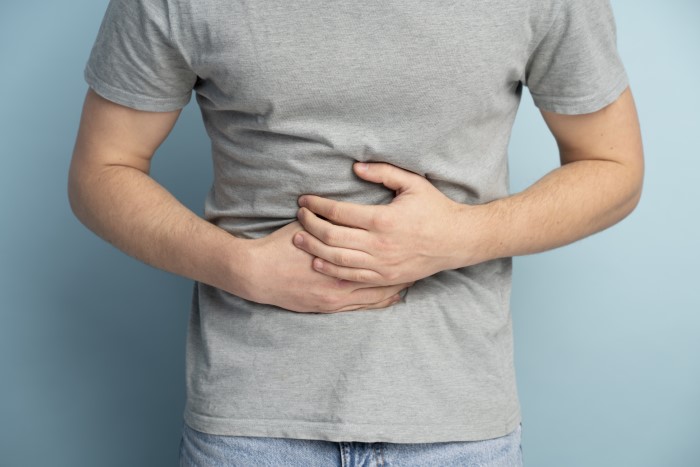
Navigating Exercise and Lifestyle with a Hiatal Hernia: An In-Depth Guide Living with a hiatal hernia presents unique challenges, particularly when it comes to exercise and daily activities. This comprehensive guide aims to shed light on how to safely engage in physical activities while managing a hiatal hernia. We’ll explore the nuances of exercising with this condition, address specific exercises, and offer holistic lifestyle advice. Understanding Hiatal Hernia A hiatal hernia is a condition where part of the stomach pushes up through the diaphragm into the chest cavity. This can lead to discomfort and symptoms like heartburn, difficulty swallowing, and chest pain. Understanding this condition is the first step in managing it effectively, especially when it comes to physical activity. Exercising with a Hiatal Hernia The question of whether it’s safe to exercise with a hiatal hernia is a common concern. The good news is that exercise is still possible and indeed beneficial. However, it requires a thoughtful approach. Engaging in low-impact exercises such as walking, cycling, and gentle yoga can be particularly beneficial. These activities maintain fitness without exacerbating hiatal hernia symptoms. The Role of Exercise Intensity and Type While exercise is beneficial, certain types can aggravate a hiatal hernia. High-impact exercises or those that significantly increase abdominal pressure can worsen symptoms. Activities like heavy weightlifting, intense abdominal crunches, and exercises involving bending over or lying flat on your back might need to be modified or avoided. Planks and Hiatal Hernia: A Delicate Balance Planks, a staple in core strengthening routines, can be a tricky proposition for those with a hiatal hernia. These exercises increase intra-abdominal pressure and can trigger discomfort. If planks are an essential part of your routine, consider starting with modified versions and pay close attention to your body’s response. Consulting with a fitness professional knowledgeable about hiatal hernia can provide guidance on suitable modifications. Jumping Exercises: Proceed with Caution The impact from jumping exercises can put additional stress on the abdominal area, potentially worsening hernia symptoms. If you’re drawn to high-impact activities like skipping or plyometric workouts, it might be prudent to explore lower-impact alternatives such as using an elliptical machine or engaging in swimming, which provides a full-body workout with minimal stress on the hernia. Lifestyle Considerations for Hiatal Hernia Management Effectively managing a hiatal hernia extends beyond exercise; it encompasses a holistic lifestyle approach. Diet plays a crucial role. Opting for smaller, more frequent meals can prevent overfilling the stomach, reducing the likelihood of heartburn. Identifying and avoiding foods that trigger symptoms, such as spicy or acidic foods, is also crucial. Weight management is another key aspect. A healthy weight reduces pressure on the stomach and diaphragm, thereby alleviating hernia symptoms. Additionally, stress can worsen hiatal hernia symptoms. Incorporating stress-reducing activities like meditation or gentle yoga can be instrumental in managing the condition. Sleeping positions can also impact hiatal hernia symptoms. Elevating the head of the bed can prevent stomach acid from moving up into the oesophagus, reducing nighttime discomfort. The Importance of Professional Guidance Before embarking on any new exercise regimen, especially with a hiatal hernia, consulting healthcare professionals is essential. They can offer tailored advice based on your specific condition and overall health status, ensuring that your exercise and lifestyle choices support your wellbeing. Conclusion: Navigating life with a hiatal hernia, particularly when it comes to exercise and daily activities, requires careful consideration and often modifications to your routine. By understanding your body, choosing the right exercises, and adopting a supportive lifestyle, you can continue to lead an active and healthy life while managing your hiatal hernia effectively. Recent Posts What is Laparoscopic Cholecystectomy: Procedure, Risks and Recovery 18 Dec 2023 Can Exercise Reduce Your Risk of Breast Cancer? 18 Dec 2023 Navigating Exercise and Lifestyle with a Hiatal Hernia: An In-Depth Guide 18 Dec 2023 Comprehensive Guide to Preventing Blood Clots After Surgery 18 Dec 2023 Surgical Management of Ectopic Pregnancy: Expert Approaches at Marina's Clinic 11 Dec 2023 Have Any Question? Contact us +91 98840 00171 [email protected]
Comprehensive Guide to Preventing Blood Clots After Surgery
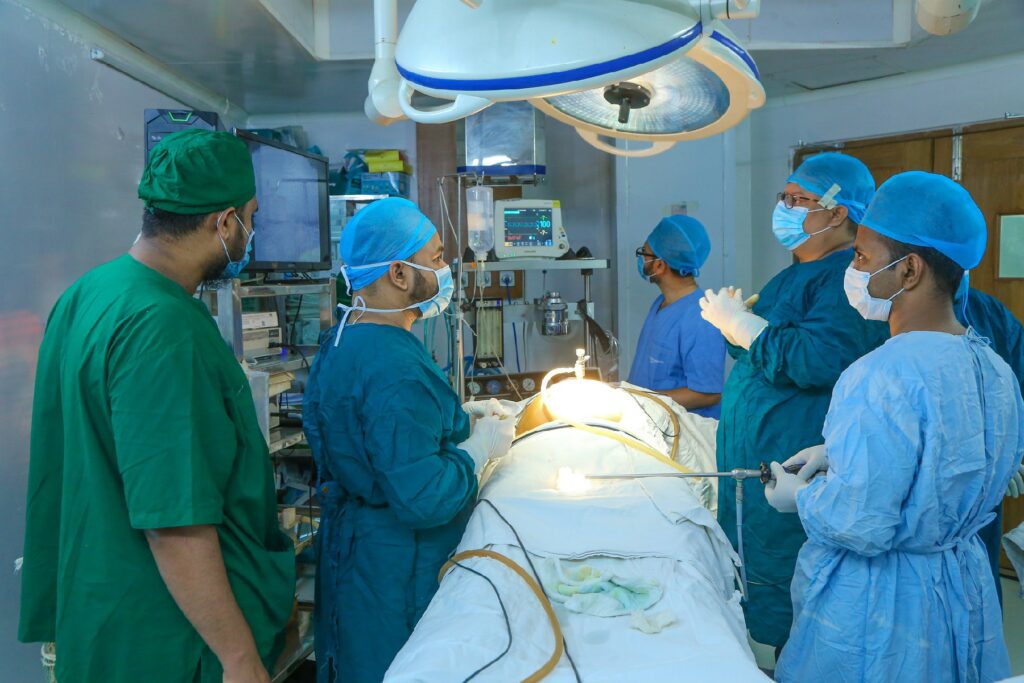
Comprehensive Guide to Preventing Blood Clots After Surgery Undergoing surgery is often a critical step towards health recovery or improvement, but it’s not without its risks. One such risk is the formation of blood clots, a serious complication that can occur postoperatively. Understanding how to effectively prevent these clots is essential for a safe and successful recovery. This guide offers a detailed exploration of strategies for avoiding blood clots following surgery, including the duration of increased risk, dietary tips, and recognizing warning signs. Proactive Measures to Avoid Blood Clots Early Movement and Exercise The importance of early movement and exercise following surgery cannot be overstated. As soon as your medical team gives the go-ahead, it’s crucial to start with light activities. Even while in bed, simple exercises like rotating your ankles can significantly stimulate blood circulation, reducing the risk of clot formation. As you recover, gradually increasing your activity levels is vital. Gentle exercises, under the guidance of a healthcare professional, can promote circulation without putting undue strain on your body. Compression and Medication The use of medically approved compression garments is another critical strategy in preventing blood clots. These garments, particularly compression stockings, help enhance blood flow in the legs, a common site for clot formation post-surgery. Equally important is the adherence to prescribed anticoagulants, commonly known as blood thinners. These medications play a pivotal role in preventing clot formation, and it’s essential to take them exactly as prescribed by your doctor. Regular Monitoring Postoperative care involves regular monitoring, both through follow-up appointments with your healthcare provider and through self-examination. These check-ups are essential for monitoring your recovery process and for adjusting your preventive measures as needed. Being vigilant about changes in your body, especially in the operated area and limbs, can help in early detection of potential complications. Duration of Increased Blood Clot Risk The period during which you’re at an increased risk of developing blood clots varies. Typically, this risk remains elevated for several weeks post-surgery. However, the exact duration depends on various factors, including the type of surgery, your overall health, and your level of mobility. Some surgeries, particularly those involving the lower extremities or abdomen, may carry a prolonged risk period, necessitating extended vigilance and preventive measures. Dietary and Hydration Tips Maintaining proper hydration is paramount in preventing blood clots. Drinking ample water, at least eight glasses a day, helps in maintaining optimal blood flow and can slightly thin the blood, reducing the risk of clots. Incorporating beverages like green tea, known for its antioxidant properties, can also be beneficial. In addition to hydration, focusing on a balanced diet rich in omega-3 fatty acids, fruits, and vegetables supports overall blood health. Limiting the intake of alcohol, caffeine, and high-sodium foods is also crucial, as these can negatively impact blood circulation. Recognizing the Warning Signs of Blood Clots Being aware of the warning signs of blood clots is critical. Unusual swelling in any limb, particularly in the legs, can be an early indicator. Persistent pain or discomfort in a specific area, resembling a cramp or soreness, should not be ignored. Any changes in skin colour, such as unusual redness or discoloration, could signal underlying issues. A localised warm sensation can also be a telltale sign of a developing clot. More severe symptoms like sudden shortness of breath, chest pain, or a rapid heartbeat are extremely serious and could indicate a pulmonary embolism, requiring immediate medical attention. Conclusion Preventing blood clots after surgery is a critical component of postoperative care. It involves a combination of physical activity, adherence to medication, dietary mindfulness, and keen awareness of one’s body. By taking proactive steps and maintaining open communication with healthcare providers, patients can significantly reduce the risk of postoperative blood clots, ensuring a safer and smoother recovery journey. Recent Posts What is Laparoscopic Cholecystectomy: Procedure, Risks and Recovery 18 Dec 2023 Can Exercise Reduce Your Risk of Breast Cancer? 18 Dec 2023 Navigating Exercise and Lifestyle with a Hiatal Hernia: An In-Depth Guide 18 Dec 2023 Comprehensive Guide to Preventing Blood Clots After Surgery 18 Dec 2023 Surgical Management of Ectopic Pregnancy: Expert Approaches at Marina's Clinic 11 Dec 2023 Have Any Question? Contact us +91 98840 00171 [email protected]
Surgical Management of Ectopic Pregnancy: Expert Approaches at Marina’s Clinic

Surgical Management of Ectopic Pregnancy: Expert Approaches at Marina’s Clinic Ectopic pregnancy, a condition where the embryo implants outside the uterus, is a complex and potentially life-threatening situation that requires prompt and effective management. At Marina’s Clinic, under the experienced guidance of Dr. Preethi, we specialise in the surgical management of ectopic pregnancies, ensuring patient safety and health. This blog explores what ectopic pregnancy is, how to manage it, and the specific treatment approaches used at our clinic. What is Ectopic Pregnancy?An ectopic pregnancy occurs when a fertilised egg implants and grows outside the main cavity of the uterus, most commonly in the fallopian tubes. This condition cannot proceed normally, as the implanted embryo is not viable, and it poses significant health risks to the mother. Understanding the signs and symptoms of an ectopic pregnancy is crucial for timely intervention. How to Manage Ectopic PregnancyAt Marina’s Clinic, managing ectopic pregnancy starts with a thorough diagnosis, often involving ultrasound and blood tests. Dr. Preethi emphasises the importance of early detection for better outcomes. Once diagnosed, the approach to management depends on the specifics of each case, including the size of the ectopic pregnancy and the patient’s overall health. Treatment for Ectopic Pregnancy: Surgical OptionsIn many cases, surgery is necessary to treat ectopic pregnancy. The surgical approach at Marina’s Clinic typically involves laparoscopy, a minimally invasive procedure that allows Dr. Preethi to remove the ectopic pregnancy while preserving the patient’s fertility as much as possible. In more complex cases, an open surgery (laparotomy) might be required. How to Cure Ectopic PregnancyWhile ‘curing’ an ectopic pregnancy isn’t the right term, effectively treating it to prevent complications is the primary goal. At Marina’s Clinic, our approach to treatment is patient-centred, focusing on preserving health and future fertility. In addition to surgical options, we also offer comprehensive post-operative care and support, including counselling and future pregnancy planning. ConclusionAt Marina’s Clinic, led by Dr. Preethi, we are dedicated to providing the highest standard of care in the surgical management of ectopic pregnancies. Understanding what an ectopic pregnancy is, how to manage it, and the available treatment options is critical for patients facing this challenging condition. Our team is committed to guiding each patient through this journey with expertise, compassion, and personalised care. Recent Posts Comprehensive Guide to Preventing Blood Clots After Surgery 18 Dec 2023 Surgical Management of Ectopic Pregnancy: Expert Approaches at Marina's Clinic 11 Dec 2023 Navigating the TSH Test: Understanding the Normal Range, Interpretation, Symptoms, and Treatment for High Levels 11 Dec 2023 Do I Need Surgery for Hernia? 20 Nov 2023 Everything You Need to Know About Hernias: Symptoms, Types, and Treatments 20 Nov 2023 Have Any Question? Contact us +91 98840 00171 [email protected]
Navigating the TSH Test: Understanding the Normal Range, Interpretation, Symptoms, and Treatment for High Levels
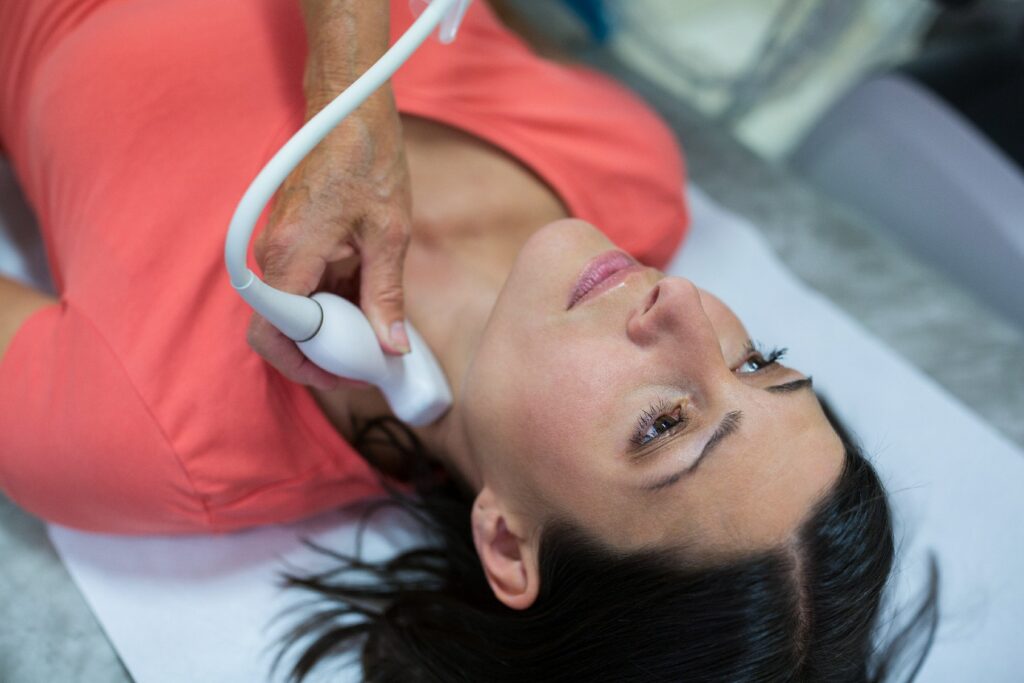
Do I Need Surgery for Hernia? Understanding the TSH Test: A Comprehensive GuideThyroid health is a vital aspect of overall well-being, and the Thyroid-Stimulating Hormone (TSH) test is an essential tool used at Marina’s Clinic to monitor and diagnose thyroid conditions. With the expertise of our renowned endocrinologist, Dr. Preethi, this guide explains the TSH test normal range, interpretation of results, symptoms of high TSH levels, and treatment options. TSH Test Normal RangeThe normal range for TSH levels, as maintained at Marina’s Clinic, is typically between 0.4 and 4.0 milliunits per liter (mU/L). Dr. Preethi notes that these values can vary slightly depending on individual factors and laboratory standards. It’s crucial to understand this range, as it indicates whether the thyroid is functioning properly. Interpreting TSH Test ResultsInterpreting TSH test results is a critical step in thyroid management. At Marina’s Clinic, Dr. Preethi takes a comprehensive approach, considering not just the TSH level but also the patient’s overall health and symptoms. A higher-than-normal level may indicate hypothyroidism, while a lower level could suggest hyperthyroidism. Symptoms of High TSH LevelsPatients with high TSH levels often exhibit symptoms like fatigue, weight gain, and intolerance to cold. Dr. Preethi emphasizes the importance of recognizing these signs early for prompt intervention. Regular check-ups and discussions about any new or worsening symptoms are encouraged at Marina’s Clinic Treatment for High TSH LevelsWhen it comes to treating high TSH levels, Marina’s Clinic offers personalized care plans. Dr. Preethi often prescribes thyroid hormone replacement therapy, aiming to normalize TSH levels and alleviate symptoms. Regular follow-ups and dosage adjustments are integral to this treatment process. ConclusionAt Marina’s Clinic, under the guidance of Dr. Preethi, we strive to offer comprehensive care and thorough education about the TSH test and thyroid health. Understanding the nuances of the test, including normal ranges, interpretation, symptoms, and treatment options, empowers our patients in their health journey. Recent Posts Navigating the TSH Test: Understanding the Normal Range, Interpretation, Symptoms, and Treatment for High Levels 11 Dec 2023 Do I Need Surgery for Hernia? 20 Nov 2023 Everything You Need to Know About Hernias: Symptoms, Types, and Treatments 20 Nov 2023 Everything You Want to Know About Hernias 18 Nov 2023 The Intricacies of Hashimoto's Disease: An In-Depth Look 18 Nov 2023 Have Any Question? Contact us +91 98840 00171 [email protected]