What Does a Master Health Checkup Include? Complete Health Screen Guide

In today’s busy lifestyle, many health problems develop silently without showing early symptoms. Conditions like diabetes, high blood pressure, thyroid disorders, liver disease, and heart issues often go unnoticed until they become serious. A Master Health Checkup plays a crucial role in preventive healthcare by identifying potential health risks early. At Marina’s Clinic, Chennai, master health checkups are designed to give a complete overview of your health in a single visit, helping you take timely and informed action. What Is a Master Health Checkup? A Master Health Checkup is a comprehensive preventive health screening that evaluates your overall health through a combination of blood tests, diagnostic screenings, and doctor consultations. Unlike basic checkups, it focuses on detecting lifestyle-related diseases, metabolic disorders, and organ-specific conditions at an early stage. This type of health screening is ideal for adults above 30 years, working professionals, individuals with a family history of chronic illnesses, and anyone who wants to stay proactive about their health. Blood Tests Included in a Master Health Checkup One of the most important components of a master health checkup is a detailed blood investigation. These tests help detect infections, anemia, diabetes, cholesterol imbalance, and organ dysfunction. Typically, the checkup includes a Complete Blood Count (CBC), fasting and post-meal blood sugar tests, HbA1c for diabetes screening, lipid profile for cholesterol levels, liver function tests, and kidney function tests. These investigations provide valuable insights into your internal health and help doctors identify problems at an early stage. Heart Health Screening and Blood Pressure Check Heart health is a major focus of any master health checkup, especially due to the rising number of cardiac conditions in India. The screening includes blood pressure monitoring, cholesterol evaluation, and an ECG (Electrocardiogram) to assess heart rhythm and function. Early detection of heart-related issues allows timely lifestyle changes and medical intervention, reducing the risk of serious complications. Diabetes and Metabolic Health Assessment Diabetes is one of the most common lifestyle diseases, and early screening is essential to prevent long-term complications. A master health checkup includes fasting blood sugar, postprandial blood sugar, and HbA1c tests to assess your metabolic health. These tests are particularly important for individuals with a sedentary lifestyle, obesity, or a family history of diabetes. Liver and Kidney Function Evaluation The liver and kidneys play a vital role in detoxification and metabolism. A master health checkup includes liver enzymes such as SGOT and SGPT, bilirubin levels, urea, and creatinine tests to assess kidney function. These tests help detect conditions like fatty liver, liver inflammation, or early kidney damage, even before symptoms appear. Thyroid Function Testing Thyroid disorders are increasingly common and can cause symptoms like weight gain, fatigue, hair loss, and mood changes. A master health checkup includes thyroid function tests such as TSH, T3, and T4 to identify underactive or overactive thyroid conditions. Early diagnosis helps in effective management and improved quality of life. Urine Examination and Basic Diagnostic Tests A routine urine examination is included in a master health checkup to detect urinary tract infections, kidney issues, and diabetes-related complications. Based on age, symptoms, and medical history, doctors may also recommend additional diagnostic tests such as an ultrasound or chest X-ray for a more detailed evaluation. Doctor Consultation and Health Report Review At Marina’s Clinic, a master health checkup is followed by a detailed consultation with an experienced doctor. During this session, your test reports are carefully reviewed, and you receive personalized advice on diet, lifestyle changes, and preventive care. If any abnormalities are detected, a follow-up plan or further treatment is recommended to ensure complete care. Why Is a Master Health Checkup Important? A master health checkup helps detect diseases before symptoms appear, reduces long-term healthcare costs, and supports preventive healthcare. It provides peace of mind, encourages healthier lifestyle choices, and plays a key role in maintaining long-term wellness. Regular health screenings are especially important as age increases and lifestyle risks grow. How Often Should You Get a Master Health Checkup? Health experts recommend a master health checkup once every two to three years for individuals in their 20s, once a year for those above 30, and annually for people over 40 or with existing risk factors. Your doctor may suggest a different frequency based on your health condition. Master Health Checkup in Chennai – Why Choose Marina’s Clinic? Choosing the right clinic for your health screening is essential. Marina’s Clinic in Chennai offers comprehensive master health checkups with accurate diagnostics, experienced medical professionals, and a patient-focused approach. With personalized packages and expert guidance, the clinic ensures complete preventive care under one roof. Final Thoughts A Master Health Checkup is an investment in your long-term health and well-being. Regular preventive screening helps you stay informed, take control of your health, and prevent serious illnesses before they begin. If you are looking for a complete master health checkup in Chennai, Marina’s Clinic provides reliable, comprehensive, and patient-centric healthcare services.
Common Symptoms of Breast Carcinoma Every Woman Should Know

Breast carcinoma, commonly known as breast cancer, is one of the most prevalent cancers affecting women worldwide. Early detection is crucial for effective treatment and better outcomes. Dr. Preethi Mrinalini, a leading breast cancer surgeon at Marinas Clinic and widely regarded as the best female surgeon in Chennai, emphasizes the importance of awareness regarding the symptoms of breast carcinoma. Here, we delve into the common symptoms every woman should know. 1. Lump in the Breast or Armpit One of the most recognizable symptoms of breast carcinoma is the presence of a lump in the breast or armpit. These lumps are often painless, hard, and have irregular edges, though they can be tender or soft in some cases. Dr. Preethi Mrinalini advises women to perform regular self-examinations and report any unusual masses to their healthcare provider. 2. Changes in Breast Size or Shape Significant changes in the size or shape of the breast can be indicative of breast cancer. This includes any unexplained swelling or shrinkage of the breast, especially if it is only on one side. Monitoring these changes can be crucial in early detection, according to the experts at Marinas Clinic. 3. Skin Changes on the Breast Breast cancer can cause noticeable changes to the skin on and around the breast. Symptoms include redness, dimpling, or puckering of the skin, resembling the texture of an orange peel. Such changes should be evaluated by a healthcare professional promptly. 4. Nipple Discharge Unusual nipple discharge, particularly if it is bloody, can be a symptom of breast carcinoma. Clear or milky discharge is generally not a cause for concern unless it occurs without squeezing or in conjunction with other symptoms. Dr. Preethi Mrinalini advises patients to seek medical evaluation for any unexpected discharge. 5. Inverted Nipple While some women naturally have inverted nipples, a sudden inversion or change in nipple appearance can be a warning sign of breast cancer. This occurs when the tumor pulls the nipple inward, and it should be assessed by a doctor. 6. Persistent Breast Pain Although breast pain is commonly associated with menstrual cycles and benign conditions, persistent pain that is localized to one area and not related to menstrual changes can be a symptom of breast carcinoma. Dr. Preethi Mrinalini emphasizes the importance of distinguishing between cyclic and non-cyclic breast pain. 7. Swelling or Lump Around the Collarbone or Underarm Swelling or lumps around the collarbone or underarm can indicate that breast cancer has spread to the lymph nodes in those areas. Women experiencing such symptoms should consult with a specialist immediately. 8. Unexplained Weight Loss Sudden, unexplained weight loss can be a symptom of various cancers, including breast carcinoma. This, combined with other symptoms, warrants a thorough medical evaluation to rule out cancer or other serious conditions. Importance of Regular Screening Regular screening and early detection are vital in the fight against breast cancer. Mammograms, ultrasound, and MRI scans can detect tumors before they become palpable. Dr. Preethi Mrinalini and her team at Marinas Clinic advocate for routine screenings, especially for women over 40 or those with a family history of breast cancer. The Role of Genetic Factors In addition to the symptoms mentioned, it is important to consider genetic predispositions. Women with a family history of breast cancer or known genetic mutations, such as BRCA1 and BRCA2, should be especially vigilant. Genetic counseling and testing can offer insights and guide preventive measures. Conclusion Awareness of breast carcinoma symptoms is crucial for early detection and treatment. Regular self-examinations, awareness of changes in the breast, and timely consultations with healthcare professionals can significantly impact outcomes. Under the expert care of Dr. Preethi Mrinalini, the best female surgeon in Chennai, Marinas Clinic provides comprehensive breast cancer screening and treatment services. If you notice any of the symptoms mentioned, it is essential to seek medical advice promptly. Remember, early detection saves lives. Stay informed, stay vigilant, and take proactive steps towards your breast health.
Long-Term Results of Weight Loss Surgery: What Patients Can Expect

Long-Term Results of Weight Loss Surgery: What Patients Can Expect Weight loss surgery, also known as bariatric surgery, is not just about losing weight quickly. For many patients, the real question is: What happens years after the surgery? Are the results long-lasting? In this blog, we’ll explore the long-term results of weight loss surgery, including weight maintenance, health improvements, lifestyle changes, and common challenges patients may face over time. Understanding Long-Term Weight Loss Surgery Results Long-term results usually refer to outcomes 5 years or more after surgery. These results depend on several factors, such as: Type of surgery performed Patient’s lifestyle changes Diet and exercise habits Regular medical follow-ups When done correctly and supported with healthy habits, weight loss surgery can provide lasting and life-changing results. Long-Term Weight Loss After Surgery Most patients experience: Significant weight loss in the first 12–18 months Stable weight maintenance after 2–5 years Partial weight regain in some cases (which is normal) Average Long-Term Outcomes Many patients maintain 50–70% of excess weight loss Sleeve gastrectomy and gastric bypass show strong long-term success Weight regain is usually linked to lifestyle changes, not surgery failure Surgery is a tool, not a permanent shortcut. Improvement in Obesity-Related Health Conditions One of the biggest long-term benefits is improved health. Conditions That Often Improve or Resolve: Type 2 diabetes High blood pressure High cholesterol Sleep apnea Joint pain Fatty liver disease Quality of Life After Weight Loss Surgery Long-term patients often report: Increased energy levels Better mobility and physical activity Improved self-confidence Better social and professional life Improved mental well-being Long-Term Dietary and Lifestyle Changes Successful long-term results require: Balanced, portion-controlled meals High-protein diet Avoiding sugary and processed foods Regular physical activity Adequate hydration Importance of Vitamins and Supplements Long-term vitamin supplementation is crucial. Common supplements include: Multivitamins Vitamin B12 Calcium Iron Vitamin D Can Weight Regain Happen? Yes, some weight regain is possible, but it does not mean the surgery failed. Common reasons for weight regain: Poor eating habits Lack of physical activity Emotional eating Skipping follow-ups The good news is that early intervention can help patients get back on track. Mental and Emotional Long-Term Effects Weight loss surgery also affects mental health. Positive effects: Improved confidence Reduced depression related to obesity Challenges: Emotional eating habits Body image adjustments Relationship changes This is why psychological support plays an important role in long-term success. Role of Follow-Up Care in Long-Term Success Regular follow-ups help: Monitor weight trends Prevent nutritional deficiencies Address lifestyle challenges Maintain motivation Patients who stay connected with their healthcare team see better long-term outcomes. Is Weight Loss Surgery Worth It Long-Term? For many patients, the answer is yes. Long-term benefits include: Sustainable weight loss Reduced risk of obesity-related diseases Improved quality of life Increased life expectancy However, success depends on commitment, discipline, and support. Final Thoughts Weight loss surgery is not a quick fix it’s a long-term partnership between the patient and healthcare team. Recent Posts Long-Term Results of Weight Loss Surgery: What Patients Can Expect 08 Dec 2025 The Greatest Clinic Experience: All Care Under One Roof, From Consultation 17 Nov 2025 A Paitent’s Story: My Quick Recovery After Gallbladder Removal With Laparoscopy 17 Nov 2025 TOP 5 CRUCIAL QUESTIONS TO ASK BEFORE CHOOSING LAPAROSCOPIC SURGEON NEAR ME 10 Nov 2025 Persistent Abdominal Pain, Bloating, or Unexplained Weight Loss When to See a Specialist 03 Nov 2025 Have Any Question? Contact us +91 98840 00171 [email protected]
FUTURE OF WEIGHT LOSS SURGERY: NEW TECH ON THE HORIZON:

FUTURE OF WEIGHT LOSS SURGERY: NEW TECH ON THE HORIZON: From robotic surgery to personalized AI weight-loss plans and incision-less procedures, the future of bariatric surgery is smarter, safer, and more effective than ever before. Introduction: A New Era in Weight Loss Surgery The future of weight loss surgery is arriving faster than ever—and it’s bringing game-changing technology with it. As obesity rates continue to climb globally, medical innovators are racing to develop safer, less invasive, and more effective solutions for long-term weight management. In this blog, we’ll explore the most exciting advancements in bariatric surgery and weight-loss tech—from robotic assistance to AI-driven planning and beyond. 1. Robotic-Assisted Weight Loss Surgery Keyword focus: robotic bariatric surgery, minimally invasive weight loss surgery Robotic-assisted surgery, such as the da Vinci Surgical System, is already transforming the way surgeons perform complex procedures. With enhanced precision, smaller incisions, and faster recovery times, this approach is becoming the gold standard for laparoscopic sleeve gastrectomies and gastric bypass surgeries. Benefits: Reduced scarring Lower risk of infection Faster post-op recovery More precision during surgery 2. Incision-less Procedures: The Rise of Endoscopic Treatments Keyword focus: incision-less weight loss surgery, endoscopic sleeve gastroplasty (ESG) Imagine losing weight without a single surgical cut. Endoscopic Sleeve Gastroplasty (ESG) is an innovative, non-surgical procedure that uses a flexible endoscope to reduce the stomach’s size through the mouth—no scars, no overnight hospital stays. Why it’s promising: Performed in under 90 minutes Outpatient procedure Minimal downtime Ideal for people who don’t qualify for traditional bariatric surgery 3. AI-Powered Personalized Surgery Planning Keyword focus: AI in bariatric surgery, personalized weight loss surgery plans Artificial Intelligence is changing the game in pre-surgical planning. AI-driven platforms can now: Analyze patient data Predict outcomes Recommend personalized treatment plans This means fewer complications, better patient education, and more sustainable weight loss. 4. Smart Wearables + Post-Surgery Monitoring Keyword focus: weight loss surgery recovery tools, wearable health tech Tech like smartwatches, glucose monitors, and mobile apps are making post-surgery care more proactive and personalized. Real-time data helps doctors and patients: Track recovery Monitor nutritional intake Detect early complications 5. Gut Microbiome Modulation: A New Frontier Emerging research shows that the gut microbiome plays a massive role in weight regulation. New therapies, including fecal microbiota transplantation (FMT) and gut-targeting drugs, may soon become part of weight-loss protocols—either alongside surgery or even replacing it for some patients. This could signal a future where weight loss doesn’t require surgery at all. What This Means for You If you’re considering weight loss surgery or supporting someone who is, the future is bright—and getting brighter. As these innovations continue to evolve, patients will benefit from: Less invasive procedures Shorter recovery times Greater long-term success Stay Ahead of the Curve: If you’re looking for cutting-edge weight loss surgery options in [Your City/Clinic Name], now is the perfect time to explore what the future holds. Final Thoughts Technology is transforming every aspect of healthcare—and bariatric surgery is no exception. The innovations on the horizon aren’t just about weight loss; they’re about safety, personalization, and lasting results. FAQs What is the newest technology in weight loss surgery? Robotic-assisted surgery, endoscopic sleeve gastroplasty, and AI-driven planning are currently among the most advanced technologies in the field. Is there a weight loss surgery without incisions? Yes, procedures like ESG are performed through the mouth using an endoscope, with no external incisions. How is AI used in bariatric surgery? AI helps in surgical planning, risk assessment, and outcome prediction based on patient data. Recent Posts Long-Term Results of Weight Loss Surgery: What Patients Can Expect 08 Dec 2025 FUTURE OF WEIGHT LOSS SURGERY: NEW TECH ON THE HORIZON: 01 Dec 2025 The Greatest Clinic Experience: All Care Under One Roof, From Consultation 17 Nov 2025 A Paitent’s Story: My Quick Recovery After Gallbladder Removal With Laparoscopy 17 Nov 2025 TOP 5 CRUCIAL QUESTIONS TO ASK BEFORE CHOOSING LAPAROSCOPIC SURGEON NEAR ME 10 Nov 2025 Have Any Question? Contact us +91 98840 00171 [email protected]
LAPAROSCOPY VS. OPEN SURGERY: WHICH ONE SUITS YOUR HERNIA REPAIR BEST?
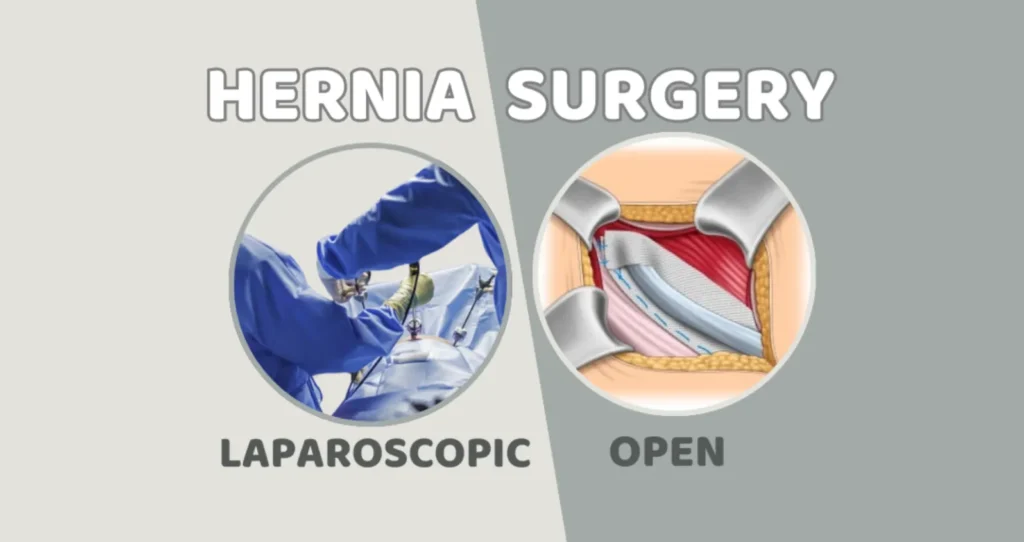
Keyhole or Large Cut? Laparoscopic vs. Open Surgery: Which One Suits Your Hernia Repair Best? For most patients, Laparoscopic Hernia Repair (or keyhole surgery) is the preferred choice, offering a significantly faster recovery time, less post-operative pain, and smaller scars. However, Open Hernia Surgery remains the gold standard for very large, incarcerated, or complex recurrent hernias. The best option depends on your hernia type (inguinal, umbilical, etc.), size, overall health, and the surgeon’s expertise. Introduction: The Two Paths to Hernia Repair A hernia, a common condition where an organ or fatty tissue squeezes through a weak spot in a surrounding muscle or connective tissue, often requires surgical repair. If you or a loved one is facing this procedure, you will likely encounter two primary choices: Open Surgery (traditional repair) and Laparoscopic Hernia Surgery (minimally invasive). The decision between these two techniques—a single, larger incision versus several tiny “keyholes”—is one of the most critical factors influencing your hernia recovery time, pain level, and return to normal life. This comprehensive guide will break down the pros, cons, and key factors to help you and your specialist determine the optimal approach for your specific condition. 1.The Laparoscopic (Keyhole) Approach: Faster Recovery, Less Pain Laparoscopy represents a modern surgical revolution. It is technically more demanding but offers substantial patient benefits, especially for an inguinal hernia repair or bilateral hernias (hernias on both sides). The Procedure: The surgeon makes 3 to 4 tiny incisions (each about 0.5 cm to 1 cm) near the hernia site. A laparoscope (a thin tube with a camera) and specialized instruments are inserted. The surgeon works inside the abdomen, pushing the herniated tissue back into place and reinforcing the muscle wall with a synthetic surgical mesh from the inside. Key Advantages: * Significantly Faster Recovery: Most patients return to light activities and desk work within 1 to 2 weeks, compared to 4–6 weeks for open surgery. * Minimal Scarring: The small incisions heal into barely noticeable marks. * Less Post-Operative Pain: Due to minimal muscle and tissue trauma, patients typically require fewer narcotic painkillers and have less overall pain. * Ideal for Bilateral Hernias: Both sides can be repaired through the same keyhole incisions without creating two large groin wounds. * Excellent for Recurrence: Often the preferred method for a hernia that has recurred after a previous open repair. Key Disadvantages: * Requires General Anaesthesia: Unlike some open procedures, laparoscopy always requires general anaesthesia. * Higher Upfront Cost: Due to specialized equipment and the need for higher-skilled surgical teams, the procedure tends to be more expensive (Check cost comparison section below). 2.The Open (Traditional) Approach: Tried-and-True Strength The Open Hernia Repair method has been the traditional standard for decades. It is a time-tested technique that is versatile and highly effective. The Procedure: The surgeon makes a single, longer incision (typically 3–6 inches) directly over the hernia site. The tissue is isolated, pushed back into the abdominal cavity, and the weakened muscle layer is directly stitched (suture repair) or, more commonly, reinforced with a surgical mesh (a technique known as hernioplasty or Lichtenstein repair). Key Advantages: * Versatility for Complex Cases: The direct visualization and access make it ideal for very large, strangulated, incarcerated (trapped) hernias, or in patients with previous abdominal surgeries and internal scarring. * Option for Local Anaesthesia: In some cases, particularly in older patients or those with certain health concerns, the surgery can be performed under local or spinal anaesthesia. * Lower Surgical Cost: Generally, less expensive than the laparoscopic option. * Wider Availability: As the standard technique, it is more widely available across all surgical centres. Key Disadvantages: * Longer Recovery Time: Patients usually require 4 to 6 weeks before they can resume strenuous activities and heavy lifting. * More Pain: The larger incision involves more tissue manipulation, leading to greater post-operative pain. * Larger Scar: A more noticeable scar remains at the incision site. 3.Which Method Suits Your Hernia Repair Best? The ‘better’ choice is highly individualized. A specialist surgeon will consider these factors: Factors of Laparoscopic Repair Open Repair: Type of Hernia: Best for Inguinal Hernia (unilateral & bilateral) and Incisional. | Often preferred for large Umbilical, Hiatal, and large Femoral hernias. | Recurrence: Generally, the preferred method for Recurrent Hernia (after a previous open repair). The first repair is often open; preferred if the recurrence is after a previous laparoscopic repair. Recovery Goal: Primary goal is Quick Return to Work and sports. | Primary goal is repairing strength for complex or very large defects. Anaesthesia: Always requires General Anaesthesia. | Can be performed under Local, Spinal, or General Anaesthesia. Surgeon Skill: Requires a high degree of technical skill and laparoscopic expertise. Standard surgical skill set. The Consensus: For uncomplicated, primary hernias (especially inguinal), the low-pain, quick-recovery benefits of the laparoscopic approach often make it the first choice. However, for the very elderly, those with severe heart or lung conditions, or those with very large hernias, the open approach may be safer. Cost Comparison in Major Cities; While laparoscopic surgery is often cited as more expensive due to equipment, the reduced hospital stays and faster return to work can offset the overall cost. Below is an approximate cost range comparison for a standard hernia repair in [Target City/Region for GEO-Targeting – e.g., Delhi NCR, Chennai, Bangalore, Mumbai, etc.]. Open Hernia Repair ₹ 35,000 – ₹ 80,000 4–6 weeks Laparoscopic Hernia Repair ₹ 60,000 – ₹ 1,20,000 1–2 weeks Conclusion: Partner with Your Specialist The evolution of laparoscopy has been a game-changer, making a fast recovery from hernia surgery a reality for millions. The key takeaway is this: Do not choose your surgery based on cost or speed alone. Schedule a detailed consultation with a certified general surgeon who is proficient in both open and laparoscopic hernia repair techniques in your local area (e.g., Best Laparoscopic Surgeon in [Target Location]). Your specialist will conduct a thorough physical examination, discuss your lifestyle needs (are you an athlete or do you have a desk job?), and
The Greatest Clinic Experience: All Care Under One Roof, From Consultation
The Greatest Clinic Experience: All Care Under One Roof, From Consultation Healthcare is about more than simply therapy; it’s also about continuity, comfort, and trust. We combine all of this at Marina’s Clinic by providing Chennai’s top general surgery and gastroenterology services under one roof. Your journey is led by compassion, knowledge, and cutting-edge medical treatment from the time you arrive for a consultation until the day you fully recover. The Reasons Patients Choose Marina’s Clinic Moving between hospitals and diagnostic facilities for consultations, scans, and procedures is a problem for many people. By putting everything in one location, we at Marina’s Clinic streamline this process and make your medical experience stress-free. With the use of cutting-edge diagnostic tools like endoscopy, colonoscopy, ultrasonography, and laboratory services, our clinic is home to some of Chennai’s top gastroenterologists and general surgeons. Patients benefit from accurate results, time savings, and care that is customised to meet their individual needs when this integrated approach is used. Advanced General Surgery & Gastrointestinal Solutions Because laparoscopic and minimally invasive surgeries are preferred due to their quicker recovery, less scarring, and less discomfort, Marina’s Clinic is known for its proficiency in these procedures. Our doctors guarantee accuracy and safety at every stage, whether it’s the gallbladder stone removal, hernia repair, or advanced gastro treatment. Ongoing Care After Treatment After an operation is over, the care at Marina’s Clinic continues. To guarantee long-lasting health advantages, we offer individualised recuperation advice, diet support, and scheduled follow-ups. Because of our commitment, we are now among Chennai’s most trusted names in digestive health care. Ideal Location, Top-Notch Standards Marina’s Clinic blends local convenience with international medical standards and is conveniently located near places like Anna Nagar, Adyar, T. Nagar, and Velachery. Patients pick us because we provide specialised care with a patient-centred approach, guaranteeing their comfort and confidence throughout their medical journey. Get Medical Care Without Any Troubles Selecting Marina’s Clinic entails selecting tranquilly. You’ll discover everything you need in one reliable location, including professional consultations, cutting-edge treatments, and extensive post-care support. Recent Posts The Greatest Clinic Experience: All Care Under One Roof, From Consultation 17 Nov 2025 A Paitent’s Story: My Quick Recovery After Gallbladder Removal With Laparoscopy 17 Nov 2025 TOP 5 CRUCIAL QUESTIONS TO ASK BEFORE CHOOSING LAPAROSCOPIC SURGEON NEAR ME 10 Nov 2025 Persistent Abdominal Pain, Bloating, or Unexplained Weight Loss When to See a Specialist 03 Nov 2025 Managing Acid Reflux Naturally — Expert Advice from Chennai’s Top Gastro Clinic 27 Oct 2025 Have Any Question? Contact us +91 98840 00171 [email protected]
TOP 5 CRUCIAL QUESTIONS TO ASK BEFORE CHOOSING LAPAROSCOPIC SURGEON NEAR ME
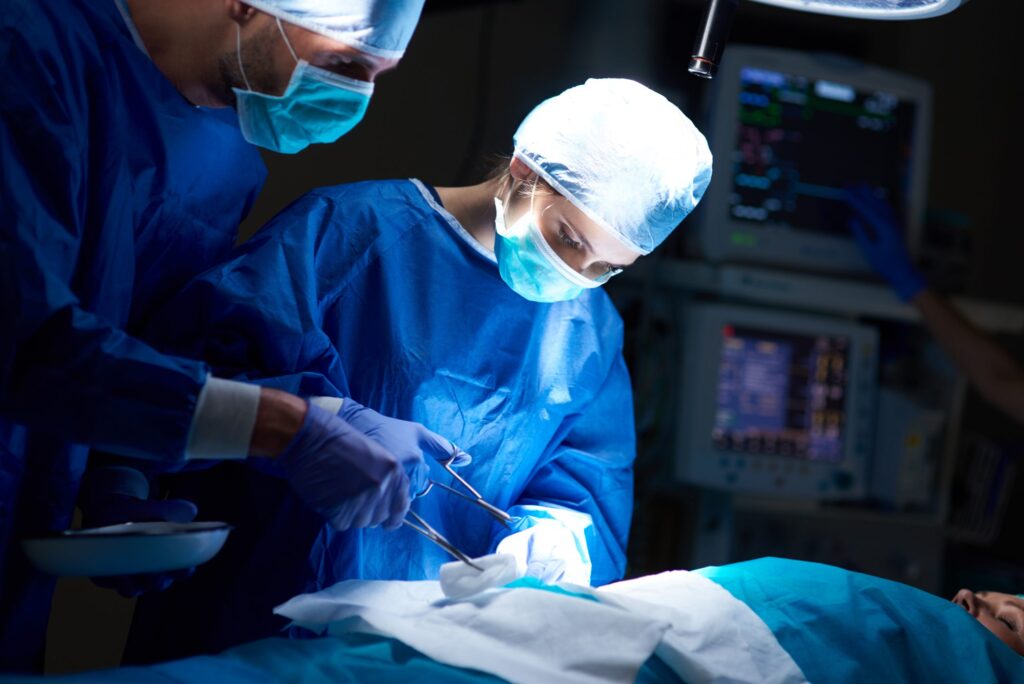
TOP 5 CRUCIAL QUESTIONS TO ASK BEFORE CHOOSING LAPAROSCOPIC SURGEON NEAR ME Choosing a surgeon for minimally invasive surgery (MIS), commonly known as laparoscopic surgery, is one of the most important health decisions you’ll make. While these procedures offer benefits like shorter recovery and smaller scars, your outcome depends heavily on your surgeon’s expertise. This guide provides the top high-value, patient-focused questions to ensure you select an experienced specialist, leading to better results. What is Your Specific Experience with My Procedure? The term “laparoscopic surgeon” is broad. You don’t just want someone who can do the procedure; you want someone who does it frequently and successfully. Why It’s Matter? “How many times have you performed my specific laparoscopic procedure, and what is your personal complication rate?” High volume (e.g., >50 per year) and a low complication rate indicate genuine mastery over the specific surgical technique required for your case. Laparoscopic appendectomy success rate. “What percentage of your cases are done via minimally invasive surgery (MIS) versus open surgery?” Specialists prioritize MIS, demonstrating commitment to modern techniques and patient benefits like reduced pain and quicker return to daily life. Minimally invasive surgery specialist. On laparoscopic cholecystectomy (gallbladder removal) or laparoscopic hernia repair, not just general surgery statistics. “Are you board-certified in a surgical specialty, and does that certification include specialized training in advanced laparoscopy?” Are You a Board-Certified Specialist, and Where Do You Practice? Verification of credentials and hospital access is non-negotiable. This confirms that the surgeon meets established standards of safety and knowledge. A certified surgeon affiliated with a top-rated surgical center or accredited hospital near [Your City/Location] often means access to the best technology and support staff. Always look for a specialist in your area with verified credentials. Why it Matters: Board certification ensures a standard of training. Their hospital privileges indicate that major, accredited facilities trust their skill and expertise, which is crucial if unexpected issues arise during the operation. What are the Risks, and What is Your Plan if Conversion to Open Surgery is Necessary? Even in the most skilled hands, no surgery is without risk. For laparoscopic procedures, the main safety concern is the need to convert to an open surgery. “What is your conversion rate for this procedure, and what specific complications do you see most often?” A low, but realistic, conversion rate shows the surgeon knows when to prioritize patient safety over adhering strictly to the MIS approach. Their ability to clearly explain the risks of minimally invasive surgery and their management plan demonstrates preparedness and transparency. What is the Expected Recovery Timeline and Post-Operative Pain Management Strategy? The promise of MIS is a faster recovery. Get clear, measurable expectations for your specific case to avoid surprises. “When can I realistically expect to return to driving, work, and light exercise? What is your pain management protocol after discharge?” Patients searching for: “Laparoscopic surgery recovery time” needs practical, personalized advice. A great surgeon will outline a multimodal pain plan (using a combination of non-opioid and opioid pain relief) to minimize discomfort and speed up your return to normal life. Asking for a post-laparoscopic surgery recovery checklist addresses direct user needs and may help the blog post appear as a rich snippet. What are the Alternatives to Laparoscopic Surgery? An ethical and skilled surgeon will confirm that surgery is the best and only necessary treatment option for you. “Are there any non-surgical treatments, medication, or lifestyle changes that could effectively treat my condition instead of surgery?” Why it Matters: That the surgeon is acting as a health consultant, not just a technician. It ensures you have informed consent by considering all viable avenues, confirming that the benefits of the minimally invasive approach outweigh the benefits of alternatives. Take actions: Surgeon When searching for the best laparoscopic surgeon, use these questions to guide your consultation. Combine your procedure name with a geographical keyword-e.g., “Best Laparoscopic Hernia Surgeon in [Your City]”-to find a highly qualified specialist nearby who is committed to patient education and safety. Your health is worth the research! Recent Posts Persistent Abdominal Pain, Bloating, or Unexplained Weight Loss When to See a Specialist – Copy 10 Nov 2025 Persistent Abdominal Pain, Bloating, or Unexplained Weight Loss When to See a Specialist 03 Nov 2025 Managing Acid Reflux Naturally — Expert Advice from Chennai’s Top Gastro Clinic 27 Oct 2025 Why Marina’s Clinic Is the Best Clinic in Chennai ? 06 Oct 2025 The Greatest Clinic Experience: All Care Under One Roof, From Consultation 29 Sep 2025 Have Any Question? Contact us +91 98840 00171 [email protected]
Persistent Abdominal Pain, Bloating, or Unexplained Weight Loss When to See a Specialist

Persistent Abdominal Pain, Bloating, or Unexplained Weight Loss When to See a Specialist Most people experience stomach discomfort once in a while maybe after a heavy meal or a stressful day. But when pain, bloating, or unexplained weight loss becomes frequent, it’s no longer “just digestion.” At Marina’s Clinic, we often see patients who’ve ignored these symptoms for weeks or months only to find underlying conditions that could have been easily managed if detected earlier. Here’s how to know when it’s time to seek medical advice. 1. Why Persistent Abdominal Pain Shouldn’t Be Ignored Occasional cramps or indigestion are common. But if your abdominal pain lasts more than a few days or keeps coming back, it might point to deeper issues such as: Gastritis or ulcers – inflammation of the stomach lining. Gallstones or kidney stones – causing sharp pain in the upper or side abdomen. Irritable Bowel Syndrome (IBS) – recurrent bloating and discomfort without structural damage. Hernia – a visible or invisible bulge causing pressure and pain. Appendicitis – sharp, sudden pain on the lower right side (requires urgent surgery). Bloating That Doesn’t Go Away Bloating may feel like gas or heaviness, but chronic bloating could mean more serious digestive imbalances: Food intolerances (like lactose or gluten). Excess acid reflux or gastritis. Colon-related disorders (like IBS or inflammatory bowel disease). Gallbladder or liver conditions. 3. Unexplained Weight Loss A Silent Red Flag Losing weight without dieting or increased activity is never normal. It can signal issues like: Thyroid or metabolic disorders Digestive malabsorption (your body isn’t absorbing nutrients) Ulcers or chronic gastritis Liver or pancreatic conditions In rare cases, gastrointestinal cancers 4. How Marina’s Clinic Helps Our clinic provides comprehensive gastro and surgical care under one roof: Gastroenterology consultations and diagnostic tests Laparoscopic (keyhole) surgeries for hernia, gallbladder, appendix, and colon Nutritional counselling and lifestyle guidance Post-surgery care and follow-up support 5. How You Can Take Control at Home While medical evaluation is key, a few habits can help support digestive health: Eat on time; avoid skipping meals. Stay hydrated and limit processed foods. Reduce caffeine, alcohol, and late-night meals. Manage stress it directly affects your gut. Schedule regular health check-ups after age 30. Recent Posts Persistent Abdominal Pain, Bloating, or Unexplained Weight Loss When to See a Specialist 03 Nov 2025 Managing Acid Reflux Naturally — Expert Advice from Chennai’s Top Gastro Clinic 27 Oct 2025 Why Marina’s Clinic Is the Best Clinic in Chennai ? 06 Oct 2025 The Greatest Clinic Experience: All Care Under One Roof, From Consultation 29 Sep 2025 How Weight Loss Surgery Improves Overall Health and Longevity 15 Sep 2025 Have Any Question? Contact us +91 98840 00171 [email protected]
Managing Acid Reflux Naturally — Expert Advice from Chennai’s Top Gastro Clinic
Managing Acid Reflux Naturally — Expert Advice from Chennai’s Top Gastro Clinic Do you often feel a burning sensation in your chest after meals? Or wake up at night with discomfort and sour taste in your mouth? You’re not alone — these are classic signs of acid reflux, one of the most common digestive issues affecting people of all ages. At Marina’s Clinic, Chennai, our gastro specialists treat hundreds of acid reflux cases every month — and we’ve seen one thing clearly: Most patients can control acid reflux naturally with the right habits, diet, and awareness. What Is Acid Reflux? Acid reflux (also known as GERD — Gastroesophageal Reflux Disease) happens when stomach acid flows back into your food pipe (esophagus). This backflow irritates the lining of your esophagus and causes that familiar burning feeling called heartburn. Common symptoms include: Burning in the chest after eating Regurgitation (sour liquid or food coming up) Bloating and burping Difficulty swallowing Sore throat or cough at night Why You Shouldn’t Ignore It Occasional heartburn is normal, but frequent acid reflux can damage your esophagus and lead to complications such as: Esophagitis (inflammation of the esophagus) Ulcers or bleeding Narrowing of the food pipe (stricture) Barrett’s Esophagus a pre-cancerous condition That’s why timely lifestyle changes and medical advice are essential. Natural Ways to Manage Acid Reflux Our experts at Marina’s Clinic recommend a combination of dietary adjustments, lifestyle habits, and natural remedies that help reduce acid reflux safely and effectively. 1. Eat Small, Balanced Meals Large meals increase pressure on your stomach, forcing acid upward. Instead, eat smaller portions more frequently — this reduces discomfort and helps digestion. Tips: Eat 4–5 small meals a day. Avoid lying down immediately after eating. Stop eating at least 2–3 hours before bedtime. 2. Avoid Common Trigger Foods Certain foods naturally relax the muscle that keeps acid in your stomach (the lower esophageal sphincter). Limiting or avoiding them can make a big difference. Major triggers include: Spicy and oily foods Tomatoes and citrus fruits Coffee, tea, and carbonated drinks Chocolate Onions, garlic, and peppermint 3. Focus on a Gut-Healthy Diet A diet rich in fiber, lean proteins, and alkaline foods supports digestion and prevents reflux. Include: Whole grains (brown rice, oats) Non-citrus fruits (bananas, melons) Vegetables like broccoli, beans, carrots Yogurt and probiotics for gut balance 4. Maintain a Healthy Weight Excess belly fat puts pressure on your stomach, making reflux worse. Even a 5–10% weight reduction can significantly reduce symptoms. Try: Regular walks after meals Light yoga or stretching Avoiding tight belts or clothing around the waist 5. Sleep Smart Gravity matters — lying flat allows acid to flow up easily. Try this: Raise your bed’s head by 6–8 inches (use blocks or a wedge pillow). Sleep on your left side — it helps acid stay down better than the right. 6. Reduce Stress Naturally Stress doesn’t cause reflux directly, but it can worsen symptoms and slow digestion. Simple habits like meditation, deep breathing, and spending time outdoors can make a big difference. Even 15 minutes of relaxation daily can help calm your gut and reduce acid production 7. Stay Hydrated — But Smartly Drinking enough water helps neutralize stomach acid, but timing matters. Do this: Sip water throughout the day. Avoid: Drinking large amounts during meals — it can dilute digestive enzymes. Add a few basil leaves or mint leaves to your water for a refreshing, stomach-soothing touch. 8. Limit Alcohol and Quit Smoking Both alcohol and smoking relax the valve between your stomach and esophagus, allowing acid to escape. Cutting back or quitting can drastically reduce your reflux episodes and improve overall digestive health Recent Posts The Greatest Clinic Experience: All Care Under One Roof, From Consultation 17 Nov 2025 A Paitent’s Story: My Quick Recovery After Gallbladder Removal With Laparoscopy 17 Nov 2025 TOP 5 CRUCIAL QUESTIONS TO ASK BEFORE CHOOSING LAPAROSCOPIC SURGEON NEAR ME 10 Nov 2025 Persistent Abdominal Pain, Bloating, or Unexplained Weight Loss When to See a Specialist 03 Nov 2025 Managing Acid Reflux Naturally — Expert Advice from Chennai’s Top Gastro Clinic 27 Oct 2025 Have Any Question? Contact us +91 98840 00171 [email protected]
Why Marina’s Clinic Is the Best Clinic in Chennai ?
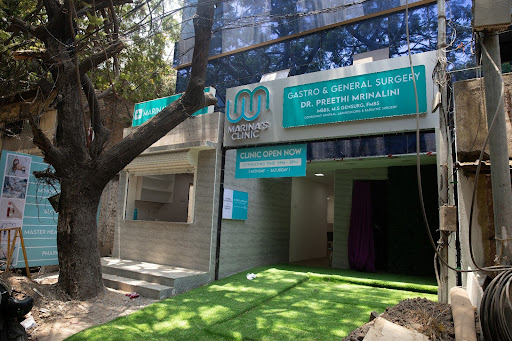
How Weight Loss Surgery Improves Overall Health and Longevity Why Marina’s Clinic Is the Best Clinic in Chennai ? When it comes to your health, choosing the best clinic in Chennai is not just about convenience—it’s about trusting experienced doctors, advanced technology, and compassionate care. Located in the heart of the city, Marina’s Clinic has built a reputation as one of the most reliable and patient-friendly healthcare centers, offering specialized treatment in gastroenterology, general surgery, laparoscopic surgery, and bariatric surgery. In this blog, we’ll explain why Marina’s Clinic is consistently recognized as the best multi-specialty clinic in Chennai and why patients across Tamil Nadu prefer it for their medical care. ____________________________________ Experienced Doctors with Proven Expertise A clinic is only as good as its doctors—and Marina’s Clinic stands out because of its highly qualified specialists. Dr. Preethi Mrinalini K, a renowned general and laparoscopic surgeon in Chennai, leads the team with years of experience. The clinic specializes in treating complex gastrointestinal disorders, obesity management, and minimally invasive surgeries. Patients searching for the best gastroenterology clinic in Chennai often find Marina’s Clinic as their trusted destination because of this expertise. ________________________________________ Advanced Laparoscopic & Minimally Invasive surgery. Modern healthcare is all about precision, quick recovery, and less pain. Marina’s Clinic provides state-of-the-art laparoscopic surgery in Chennai for: Hernia repair Gallbladder removal Appendix surgery Piles and fistula treatment This minimally invasive approach means shorter hospital stays, minimal scars, and faster recovery—reasons why Marina’s Clinic is known as the best surgical clinic in Chennai. ________________________________________ Specialized Bariatric Surgery for Long-Term Health Obesity is one of the biggest health challenges today. For patients struggling with weight management, Marina’s Clinic is recognized as a top bariatric surgery clinic in Chennai. Safe and effective weight-loss surgery Personalized diet and lifestyle guidance Long-term follow-up for lasting results This makes it a preferred choice for those searching for the best obesity surgery in Chennai. ________________________________________ Comprehensive Gastroenterology Services Digestive health plays a crucial role in overall well-being. At Marina’s Clinic, patients receive world-class care for conditions like Acid reflux (GERD) Gastric ulcers Irritable Bowel Syndrome (IBS) Liver and pancreas issues This combination of preventive care, accurate diagnosis, and advanced treatment makes it a leading gastroenterology clinic in Chennai. ________________________________________ Patient-Centric Approach Marina’s Clinic is more than just a healthcare provider—it’s a place where patients feel valued. Clear communication about treatment options Affordable and transparent pricing Personalized follow-up care Many patients recommend Marina’s Clinic as the best family clinic in Chennai because of its friendly environment and holistic care. ________________________________________ Prime Location in Central Chennai Accessibility is another reason why Marina’s Clinic is considered the best clinic near me in Chennai by locals. Convenient location in the city Easy access via public transport Flexible appointment booking Its central location ensures patients from across Chennai and nearby districts can easily access premium healthcare without long travel. ________________________________________ FAQs About Marina’s Clinic Q1. Why is Marina’s Clinic called the best clinic in Chennai? Because of its experienced surgeons, advanced laparoscopic and bariatric procedures, gastroenterology expertise, and patient-friendly care. Q2. Does Marina’s Clinic offer affordable treatments? Yes, the clinic provides transparent pricing while ensuring world-class care. Q3. How do I book an appointment? Patients can visit marinasclinic.com or call directly for quick scheduling. ________________________________________ Final Thoughts If you’re looking for the best clinic in Chennai that combines modern medical technology with compassionate care, Marina’s Clinic should be your first choice. From gastroenterology and general surgery to laparoscopic and bariatric procedures, the clinic provides comprehensive healthcare under one roof. Book your consultation today at Marina’s Clinic and experience premium healthcare in Chennai. Recent Posts Why Marina’s Clinic Is the Best Clinic in Chennai ? 06 Oct 2025 The Greatest Clinic Experience: All Care Under One Roof, From Consultation 29 Sep 2025 How Weight Loss Surgery Improves Overall Health and Longevity 15 Sep 2025 The Power of Small Habits: How Simple Routine Tweaks Can Drive Major Weight Loss 08 Sep 2025 Top Signs You Need Gastro & General Surgery 02 Sep 2025 Have Any Question? Contact us +91 98840 00171 [email protected]