
Dieting for Health: Effective Meal Plans for Morbid Obesity Management

Dieting for Health: Effective Meal Plans for Morbid Obesity Management Morbid obesity is a severe health condition that significantly increases the risk of various diseases, including heart disease, diabetes, and certain cancers. Managing morbid obesity requires a comprehensive approach that includes medical intervention, lifestyle changes, and, importantly, effective meal planning. Dr. Preethi Mrinalini, a renowned surgeon at Marinas Clinic and considered one of the best female surgeons in Chennai, emphasizes the pivotal role of dietary management in tackling morbid obesity. Understanding Morbid ObesityMorbid obesity is defined by a Body Mass Index (BMI) of 40 or higher. This level of obesity can severely impact an individual’s quality of life, causing physical limitations, psychological issues, and social challenges. Effective management involves a multidisciplinary approach, where dietary modifications play a crucial role. Principles of an Effective Meal Plan Balanced Nutrition: An effective meal plan for morbid obesity management should include a balance of macronutrients—proteins, carbohydrates, and fats. Each meal should aim to provide all essential nutrients to support overall health and promote weight loss. Calorie Control: Reducing caloric intake is fundamental. The plan should create a calorie deficit, where the body burns more calories than it consumes. However, the deficit should not be so extreme that it leads to nutritional deficiencies or muscle loss.Frequent, Smaller Meals: Eating smaller, more frequent meals can help in managing hunger and maintaining energy levels throughout the day. This approach prevents overeating and stabilizes blood sugar levels.High Fiber Intake: Foods rich in fiber, such as vegetables, fruits, whole grains, and legumes, are essential. Fiber promotes satiety, aids digestion, and helps control blood sugar levels, all of which are important in obesity management.Lean Proteins: Incorporating lean proteins, such as chicken, fish, tofu, and legumes, can help build and maintain muscle mass while promoting fat loss. Proteins also have a higher thermic effect, meaning the body burns more calories digesting them.Healthy Fats: Not all fats are bad. Including healthy fats from sources like avocados, nuts, seeds, and olive oil can support heart health and provide satiety. Implementing Meal Planning Strategies 1. Portion ControlManaging portion sizes is crucial in controlling calorie intake. Using smaller plates, measuring portions, and being mindful of serving sizes can help prevent overeating. 2. Meal PreparationPreparing meals in advance ensures that healthy options are readily available, reducing the temptation to opt for unhealthy convenience foods. Batch cooking and portioning meals for the week can save time and help maintain dietary goals. 3. HydrationStaying hydrated is essential for overall health and can aid in weight management. Drinking water before meals can help control appetite, and replacing sugary drinks with water can significantly reduce calorie intake. 4. Mindful EatingPracticing mindful eating involves paying full attention to the eating experience, savoring each bite, and listening to the body’s hunger and fullness cues. This practice can prevent overeating and promote a healthier relationship with food. 5. Limiting Processed FoodsProcessed foods are often high in unhealthy fats, sugars, and salt. Reducing the intake of these foods and focusing on whole, unprocessed foods can improve nutritional quality and aid in weight loss. 6. Incorporating Physical ActivityWhile meal planning is crucial, combining it with regular physical activity enhances weight loss efforts. Activities such as walking, swimming, and strength training can boost metabolism, build muscle, and improve overall health. Psychological Support and CounselingAddressing the psychological aspects of morbid obesity is vital. Emotional eating, stress, and mental health issues can hinder weight loss efforts. Seeking support from counselors, joining support groups, and working with a healthcare team can provide the necessary guidance and encouragement. Personalized Meal PlansNo one-size-fits-all approach works for everyone. Personalized meal plans tailored to individual preferences, health conditions, and lifestyle are more effective. Consulting with dietitians and nutritionists can help create a sustainable plan that meets specific needs. ConclusionDr. Preethi Mrinalini, a leading surgeon in Chennai at Marinas Clinic, advocates for a holistic approach to managing morbid obesity, where dietary interventions are crucial. By following a balanced, calorie-controlled meal plan rich in fiber, lean proteins, and healthy fats, individuals can achieve significant weight loss and improve their overall health. For those battling morbid obesity, consulting with healthcare professionals to tailor a meal plan to individual needs can make a world of difference. Implementing these dietary changes can pave the way for a healthier, more fulfilling life. Recent Posts Dieting for Health: Effective Meal Plans for Morbid Obesity Management 06 Aug 2024 Preventative Measures: How to Avoid Morbid Obesity in Future Generations 06 Aug 2024 The Importance of Hydration in Managing Hemorrhoids 30 Jul 2024 How Stress Impacts Haemorrhoid Development and Management 30 Jul 2024 The Importance of Regular Check-ups: Monitoring Ovarian Cysts 22 Jul 2024 Have Any Question? Contact us +91 98840 00171 [email protected]
The Importance of Hydration in Managing Hemorrhoids

The Importance of Hydration in Managing Hemorrhoids Hemorrhoids, also known as piles, are swollen veins in the lower rectum and anus, often causing discomfort, itching, and bleeding. This common condition affects millions worldwide, particularly adults aged 45 and older. While several treatment options are available, one often overlooked yet highly effective strategy is proper hydration. Dr. Preethi Mrinalini, a renowned surgeon at Marinas Clinic and one of the best female surgeons in Chennai, emphasizes the critical role of hydration in managing and preventing hemorrhoids. Understanding HemorrhoidsHemorrhoids can be internal or external, with internal hemorrhoids located inside the rectum and external hemorrhoids under the skin around the anus. Factors contributing to hemorrhoids include chronic constipation, prolonged sitting, straining during bowel movements, obesity, pregnancy, and a low-fiber diet. Dehydration is another significant factor that can exacerbate these conditions. How Hydration Helps Softens Stool: Adequate water intake helps soften stool, making it easier to pass and reducing the need to strain during bowel movements. Straining can cause or worsen hemorrhoids, so keeping stool soft is crucial. Promotes Regular Bowel Movements: Staying hydrated ensures regular bowel movements, preventing constipation, a leading cause of hemorrhoids. Regular hydration helps maintain bowel regularity by keeping the digestive system functioning smoothly. Reduces Inflammation: Water helps reduce inflammation in the body, including the swollen veins associated with hemorrhoids. Proper hydration can alleviate discomfort and promote healing. Improves Circulation: Drinking enough water improves overall blood circulation, which is essential for reducing the swelling of hemorrhoids. Better circulation helps in the healing process and reduces the risk of hemorrhoids recurring. Tips for Staying Hydrated Drink Plenty of Water: Aim for at least eight 8-ounce glasses of water a day, but individual needs may vary. Listen to your body and drink when thirsty. Include Hydrating Foods: Incorporate fruits and vegetables with high water content, such as cucumbers, watermelon, oranges, and strawberries, into your diet. Limit Diuretics: Reduce the intake of diuretic beverages like coffee, tea, and alcohol, as they can lead to dehydration. Set Reminders: Use apps or set alarms to remind yourself to drink water regularly, especially if you tend to forget during busy days. Carry a Water Bottle: Having a water bottle with you at all times can encourage you to drink more water throughout the day. Combining Hydration with Other Treatments While hydration is a fundamental aspect of managing hemorrhoids, it should be part of a comprehensive treatment plan. Dr. Preethi Mrinalini suggests combining hydration with other strategies for the best results: High-Fiber Diet: A diet rich in fiber, including whole grains, fruits, and vegetables, can help prevent constipation and promote regular bowel movements. Fiber adds bulk to the stool, making it easier to pass. Exercise: Regular physical activity helps stimulate bowel function and reduces pressure on the veins, decreasing the likelihood of hemorrhoid development. Topical Treatments: Over-the-counter creams and ointments can provide temporary relief from itching and discomfort. However, these should be used in conjunction with other treatments, not as a standalone solution. Warm Sitz Baths: Soaking in a warm bath for 10-15 minutes several times a day can help reduce inflammation and provide relief from symptoms. Medical Intervention: In severe cases, medical procedures such as rubber band ligation, sclerotherapy, or surgical removal may be necessary. Consulting a qualified surgeon, such as Dr. Preethi Mrinalini at Marinas Clinic, is crucial for determining the best treatment plan. ConclusionProper hydration is a simple yet powerful tool in managing and preventing hemorrhoids. By maintaining adequate water intake, individuals can significantly reduce the discomfort and recurrence of this common condition. Dr. Preethi Mrinalini, a top surgeon in Chennai, advocates for a holistic approach to hemorrhoid management, incorporating hydration, diet, exercise, and, when necessary, medical intervention. At Marinas Clinic, patients receive comprehensive care tailored to their needs, ensuring effective management and relief from hemorrhoids. Remember, staying hydrated is not just beneficial for overall health but is also a key factor in keeping hemorrhoids at bay. Recent Posts The Importance of Hydration in Managing Hemorrhoids 30 Jul 2024 How Stress Impacts Haemorrhoid Development and Management 30 Jul 2024 The Importance of Regular Check-ups: Monitoring Ovarian Cysts 22 Jul 2024 How Stress Affects Ovarian Cysts: Strategies for Stress Reduction 22 Jul 2024 How to Choose the Right General Surgeon for Your Healthcare Needs 15 Jul 2024 Have Any Question? Contact us +91 98840 00171 [email protected]
How Stress Impacts Haemorrhoid Development and Management

How Stress Impacts Haemorrhoid Development and Management In the bustling metropolis of Chennai, Dr. Preethi Mrinalini, a renowned consultant surgeon at Marinas Clinic, stands out as one of the best female surgeons in the region. With years of expertise in handling complex cases, Dr. Preethi Mrinalini has witnessed firsthand how stress can influence various health conditions, including the development and management of haemorrhoids. This blog delves into the intricate relationship between stress and haemorrhoids, shedding light on how to manage both effectively. Understanding HaemorrhoidsHaemorrhoids, also known as piles, are swollen veins in the lower rectum and anus. They can be either internal or external, causing discomfort, itching, pain, and sometimes bleeding. Factors such as chronic constipation, prolonged sitting, and pregnancy are well-known contributors to haemorrhoids. However, stress, an often-overlooked factor, can also play a significant role. The Stress-Haemorrhoid Connection Digestive Disturbances: Stress can wreak havoc on the digestive system, leading to conditions like irritable bowel syndrome (IBS) and chronic constipation. When the body is under stress, the fight-or-flight response can slow down digestion, causing irregular bowel movements. Straining during bowel movements, a common issue among those with constipation, can exacerbate haemorrhoids or lead to their development. Inflammation: Chronic stress is known to cause systemic inflammation in the body. This inflammation can affect the veins in the rectal area, making them more susceptible to swelling and irritation, thus increasing the likelihood of haemorrhoids. Immune System Suppression: Stress can weaken the immune system, making it harder for the body to heal and fight off infections. A compromised immune system can delay the healing of haemorrhoids and increase the risk of complications such as infections. Poor Lifestyle Choices: Stress often leads to unhealthy lifestyle choices, such as poor diet, lack of exercise, and inadequate hydration. A diet low in fiber and high in processed foods can lead to constipation, while dehydration can result in hard stools, both of which can contribute to haemorrhoids. Managing Stress to Alleviate Haemorrhoids Dietary Changes: Incorporating high-fiber foods into your diet can promote regular bowel movements and reduce straining. Fruits, vegetables, whole grains, and legumes are excellent sources of fiber. Staying hydrated by drinking plenty of water is equally important. Regular Exercise: Physical activity can help regulate bowel movements and reduce stress levels. Activities such as walking, swimming, and yoga are particularly beneficial. Exercise also promotes overall well-being, which can indirectly help in managing haemorrhoids. Stress-Relief Techniques: Practicing relaxation techniques such as deep breathing exercises, meditation, and mindfulness can significantly reduce stress levels. These techniques can help calm the mind and body, improving digestion and reducing the risk of haemorrhoids. Adequate Sleep: Ensuring you get enough sleep is crucial for managing stress. Lack of sleep can exacerbate stress and negatively impact digestive health. Aim for 7-9 hours of quality sleep each night to help your body recover and function optimally. Professional Help: If stress and haemorrhoids persist, seeking professional help is essential. Consulting a specialist like Dr. Preethi Mrinalini at Marinas Clinic can provide you with a comprehensive treatment plan tailored to your needs. As one of the best female surgeons in Chennai, Dr. Preethi offers expert advice and treatment options for managing haemorrhoids effectively. ConclusionStress is an undeniable part of modern life, but understanding its impact on our health is crucial. The connection between stress and haemorrhoids is clear, with stress contributing to both the development and exacerbation of this condition. By adopting a holistic approach that includes dietary changes, regular exercise, stress-relief techniques, adequate sleep, and seeking professional guidance, you can manage stress and haemorrhoids more effectively. For those in Chennai, consulting with an expert like Dr. Preethi Mrinalini at Marinas Clinic ensures you receive the best care. As a leading surgeon in the region, Dr. Preethi’s extensive experience and compassionate approach make her an excellent choice for managing haemorrhoids and improving overall health. Remember, managing stress is not just about mental well-being; it’s a vital component of maintaining physical health and preventing conditions like haemorrhoids. Recent Posts The Importance of Hydration in Managing Hemorrhoids 30 Jul 2024 How Stress Impacts Haemorrhoid Development and Management 30 Jul 2024 The Importance of Regular Check-ups: Monitoring Ovarian Cysts 22 Jul 2024 How Stress Affects Ovarian Cysts: Strategies for Stress Reduction 22 Jul 2024 How to Choose the Right General Surgeon for Your Healthcare Needs 15 Jul 2024 Have Any Question? Contact us +91 98840 00171 [email protected]
The Importance of Regular Check-ups: Monitoring Ovarian Cysts
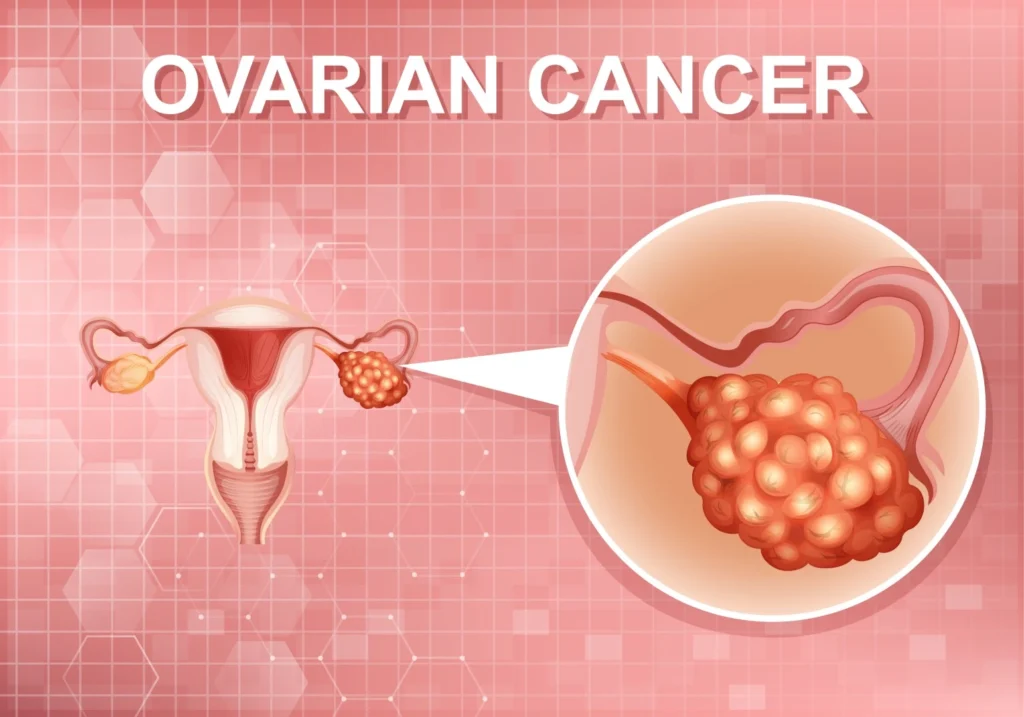
The Importance of Regular Check-ups: Monitoring Ovarian Cysts Ovarian cysts are fluid-filled sacs that develop on or inside an ovary. They are quite common, especially in women of reproductive age. While most ovarian cysts are benign and resolve on their own without causing any symptoms, some can lead to serious health complications. This is why regular check-ups are crucial for monitoring ovarian cysts. Dr. Preethi Mrinalini, renowned as the best female surgeon in Chennai, emphasizes the significance of routine gynecological exams in detecting and managing ovarian cysts early. Understanding Ovarian Cysts Ovarian cysts come in various types, with the most common being functional cysts, which occur as a part of the menstrual cycle. These include: Follicular Cysts: These form when the follicle does not release an egg during ovulation. Corpus Luteum Cysts: These develop when the follicle closes after releasing an egg and fluid accumulates inside. Other types include dermoid cysts, endometriomas, and cystadenomas, which may require more specialized medical attention. Dr. Preethi Mrinalini at Marinas Clinic in Chennai is adept at diagnosing and treating these conditions, ensuring women receive the best care possible. Symptoms and Complications While many ovarian cysts are asymptomatic, some can cause: Pelvic pain Bloating Menstrual irregularities Pain during intercourse Frequent urination In rare cases, cysts can lead to complications such as ovarian torsion or rupture, both of which require immediate medical intervention. Regular check-ups with the best female surgeon in Chennai, Dr. Preethi Mrinalini, can help detect these issues before they escalate. The Role of Regular Check-ups Regular gynecological exams are essential for early detection and monitoring of ovarian cysts. These check-ups typically include: Pelvic Exams: A physical examination to feel for abnormalities in the ovaries and other reproductive organs. Ultrasound: An imaging test that uses sound waves to create pictures of the ovaries and detect cysts. Blood Tests: These may be conducted to check for hormone levels and markers that indicate the presence of certain types of cysts. Dr. Preethi Mrinalini, practicing at Marinas Clinic, recommends these routine examinations, especially for women with a history of ovarian cysts or those experiencing symptoms. Treatment Options The treatment for ovarian cysts depends on their size, type, and whether they cause symptoms. Common treatments include: Watchful Waiting: Small, asymptomatic cysts often resolve on their own and may just require regular monitoring. Medication: Hormonal contraceptives can help regulate the menstrual cycle and prevent the formation of new cysts. Surgery: For larger cysts or those causing symptoms, surgical intervention might be necessary. Dr. Preethi Mrinalini, the best female surgeon in Chennai, is proficient in minimally invasive surgical techniques that offer effective treatment with quicker recovery times. Preventive Measures While not all ovarian cysts can be prevented, certain lifestyle choices and preventive measures can reduce the risk: Regular Exercise: Staying active can help maintain hormonal balance. Healthy Diet: A diet rich in fruits, vegetables, and whole grains can support overall reproductive health. Routine Check-ups: Regular visits to Marinas Clinic for pelvic exams and ultrasounds ensure any cysts are detected and managed early. Conclusion The importance of regular check-ups for monitoring ovarian cysts cannot be overstated. Early detection through routine examinations can prevent complications and ensure timely treatment. If you are experiencing symptoms or have a history of ovarian cysts, it is imperative to consult a specialist. Dr. Preethi Mrinalini, recognized as the best female surgeon in Chennai, along with the expert team at Marinas Clinic, provides comprehensive care to help women maintain optimal reproductive health. Don’t wait for symptoms to escalate; schedule your regular check-up today to ensure peace of mind and a healthy future. In conclusion, regular check-ups play a vital role in monitoring ovarian cysts and maintaining reproductive health. By consulting with experienced professionals like Dr. Preethi Mrinalini at Marinas Clinic, women can ensure early detection and effective management of ovarian cysts. Prioritize your health and make routine gynecological exams a part of your wellness regimen. Recent Posts The Importance of Regular Check-ups: Monitoring Ovarian Cysts 22 Jul 2024 How Stress Affects Ovarian Cysts: Strategies for Stress Reduction 22 Jul 2024 How to Choose the Right General Surgeon for Your Healthcare Needs 15 Jul 2024 The Impact of Mental Health on General Surgeons: Coping Strategies and Support Systems 15 Jul 2024 Ulcerative Colitis Research and Innovation: Promising Developments in Treatment 08 Jul 2024 Have Any Question? Contact us +91 98840 00171 [email protected]
How Stress Affects Ovarian Cysts: Strategies for Stress Reduction
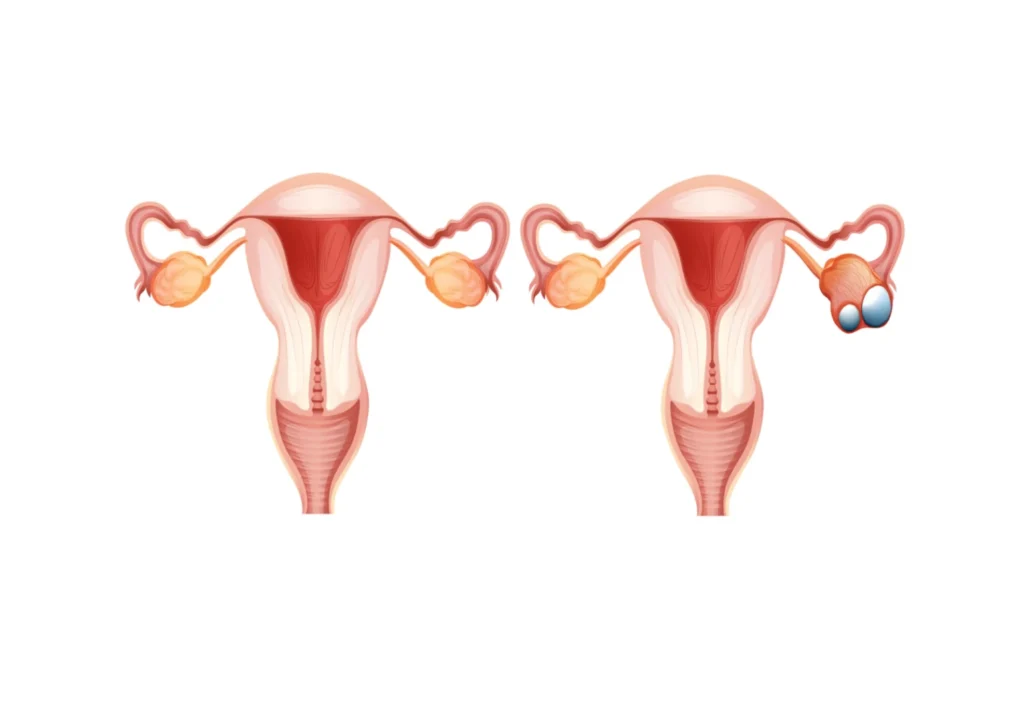
How Stress Affects Ovarian Cysts: Strategies for Stress Reduction Ovarian cysts are fluid-filled sacs that develop on a woman’s ovaries. While many cysts are harmless and resolve on their own, some can cause significant discomfort and lead to more serious health issues. One of the less commonly discussed factors that can influence the development and severity of ovarian cysts is stress. In this blog, we’ll explore how stress affects ovarian cysts and provide effective strategies for stress reduction, with insights from Dr. Preethi Mrinalini, the best female surgeon in Chennai, at Marinas Clinic. Understanding Ovarian CystsOvarian cysts are common and can occur at any age. They are often related to the menstrual cycle and can be categorized into different types: Functional Cysts: These are the most common type and include follicular cysts and corpus luteum cysts. Dermoid Cysts: Also known as teratomas, these can contain different types of tissues. Endometriomas: These are associated with endometriosis and can cause significant pain. Cystadenomas: These are benign growths that can become quite large. While many cysts are benign and asymptomatic, some can lead to symptoms such as pelvic pain, bloating, and irregular menstrual cycles. The Impact of Stress on Ovarian CystsStress is a natural response to challenging situations, but chronic stress can have profound effects on overall health, including reproductive health. Here’s how stress can impact ovarian cysts: Hormonal Imbalance: Stress triggers the release of cortisol, a hormone that can interfere with the balance of other hormones in the body, including those regulating the menstrual cycle. This hormonal imbalance can contribute to the formation of ovarian cysts. Immune System Suppression: Chronic stress weakens the immune system, making the body less effective at resolving cysts naturally. A compromised immune system can also exacerbate inflammation, worsening cyst-related symptoms. Lifestyle Factors: Stress often leads to unhealthy lifestyle choices, such as poor diet, lack of exercise, and inadequate sleep. These factors can further disrupt hormonal balance and contribute to the development and persistence of ovarian cysts. Strategies for Stress ReductionManaging stress is crucial for overall well-being and can help mitigate the impact of stress on ovarian cysts. Here are some effective strategies: Mindfulness and Meditation: Practices such as mindfulness and meditation can significantly reduce stress levels. These techniques encourage relaxation and help in managing anxiety and emotional responses. Regular Exercise: Physical activity is a powerful stress reliever. Exercise helps release endorphins, which are natural mood lifters. Aim for at least 30 minutes of moderate exercise most days of the week. Balanced Diet: Nutrition plays a vital role in managing stress and maintaining hormonal balance. Focus on a diet rich in fruits, vegetables, lean proteins, and whole grains. Avoid excessive caffeine, sugar, and processed foods. Adequate Sleep: Quality sleep is essential for stress management. Aim for 7-9 hours of sleep per night and establish a regular sleep routine. Therapeutic Practices: Techniques such as yoga, acupuncture, and massage therapy can help reduce stress and promote relaxation. These practices can also support hormonal balance and improve overall health. Counseling and Support Groups: Sometimes, talking to a professional or joining a support group can provide emotional relief and coping strategies for managing stress. Time Management: Effective time management can help reduce stress by preventing overload. Prioritize tasks, set realistic goals, and allow time for relaxation and hobbies. Expert Insights from Dr. Preethi MrinaliniDr. Preethi Mrinalini, the best female surgeon in Chennai, emphasizes the importance of a holistic approach to managing ovarian cysts. At Marinas Clinic, she advocates for combining medical treatment with lifestyle modifications to address the root causes of cyst development.“Stress management is a key component in the treatment of ovarian cysts,” says Dr. Preethi Mrinalini. “By addressing stress through various techniques, we can improve hormonal balance and overall health, which can significantly reduce the impact of ovarian cysts.” ConclusionWhile ovarian cysts are a common concern, understanding the role of stress in their development and severity can empower women to take proactive steps in managing their health. By incorporating stress reduction strategies such as mindfulness, exercise, and proper nutrition, women can improve their well-being and potentially reduce the impact of ovarian cysts. For more personalized advice and treatment options, consulting with experts like Dr. Preethi Mrinalini at Marinas Clinic can provide comprehensive care tailored to individual needs. Remember, taking care of your mental and physical health is crucial in managing ovarian cysts and achieving overall wellness. Recent Posts The Importance of Regular Check-ups: Monitoring Ovarian Cysts 22 Jul 2024 How Stress Affects Ovarian Cysts: Strategies for Stress Reduction 22 Jul 2024 How to Choose the Right General Surgeon for Your Healthcare Needs 15 Jul 2024 The Impact of Mental Health on General Surgeons: Coping Strategies and Support Systems 15 Jul 2024 Ulcerative Colitis Research and Innovation: Promising Developments in Treatment 08 Jul 2024 Have Any Question? Contact us +91 98840 00171 [email protected]
The Impact of Mental Health on General Surgeons: Coping Strategies and Support Systems

The Impact of Mental Health on General Surgeons: Coping Strategies and Support Systems In the demanding world of healthcare, general surgeons stand as pillars of expertise and resilience. Their role is not only physically challenging but also mentally taxing. The pressures they face can significantly impact their mental health, influencing their performance and overall well-being. Dr. Preethi Mrinalini, a renowned surgeon at Marinas Clinic and often hailed as the best female surgeon in Chennai, emphasizes the importance of addressing mental health issues among surgeons. Understanding the mental health challenges they face and exploring effective coping strategies and support systems is crucial for sustaining their well-being and ensuring optimal patient care. The Mental Health Challenges Faced by General SurgeonsThe profession of general surgery is fraught with numerous stressors that can take a toll on mental health. Surgeons often work long hours, face high-stakes decisions, and bear the weight of their patients’ lives. The constant pressure to perform flawlessly, coupled with the emotional strain of dealing with critical and sometimes tragic cases, can lead to various mental health issues, including anxiety, depression, and burnout.One significant challenge is the culture of stoicism that prevails in the medical field. Surgeons are often expected to maintain a façade of strength and composure, making it difficult for them to seek help or express vulnerability. This can lead to a buildup of stress and emotional exhaustion over time. The Importance of Mental Health Awareness and SupportAddressing mental health issues among general surgeons is essential for their well-being and the quality of care they provide. Prominent figures in the medical community, such as Dr. Preethi Mrinalini, advocate for increased awareness and support for mental health among healthcare professionals. Recognizing the signs of mental health struggles and encouraging open conversations about these challenges can break down the stigma associated with seeking help. Coping Strategies for General SurgeonsThere are several coping strategies that general surgeons can employ to manage their mental health effectively. These strategies can help mitigate the stressors inherent in their profession and promote a healthier work-life balance. Mindfulness and Meditation: Practicing mindfulness and meditation can help surgeons manage stress and maintain mental clarity. These techniques encourage present-moment awareness, reducing anxiety and improving emotional regulation. Physical Exercise: Regular physical activity is a powerful tool for managing stress and improving mental health. Exercise releases endorphins, which are natural mood lifters, and helps alleviate symptoms of depression and anxiety. Peer Support Groups: Joining peer support groups provides surgeons with a platform to share their experiences and challenges with colleagues who understand their unique pressures. These groups can foster a sense of camaraderie and reduce feelings of isolation. Professional Counseling: Seeking professional counseling or therapy can be immensely beneficial for surgeons struggling with mental health issues. Therapy offers a safe space to explore emotions, develop coping mechanisms, and address underlying psychological concerns. Time Management: Effective time management is crucial for reducing stress and preventing burnout. Surgeons can benefit from prioritizing tasks, delegating responsibilities, and setting boundaries to ensure they have time for self-care and relaxation. Support Systems for General SurgeonsIn addition to individual coping strategies, robust support systems are vital for the mental well-being of general surgeons. Hospitals and medical institutions play a significant role in creating an environment that promotes mental health. Institutional Support Programs: Implementing institutional support programs that focus on mental health can provide surgeons with resources and assistance when needed. These programs can include mental health screenings, counseling services, and stress management workshops. Mentorship and Supervision: Establishing mentorship and supervision systems can help younger surgeons navigate the challenges of their profession. Experienced mentors can offer guidance, support, and advice, helping to alleviate stress and build resilience. Workplace Culture: Fostering a workplace culture that prioritizes mental health and encourages open communication is essential. Encouraging surgeons to take breaks, providing opportunities for debriefing after difficult cases, and promoting a healthy work-life balance can contribute to a more supportive environment. ConclusionThe mental health of general surgeons is a critical aspect of their overall well-being and their ability to provide high-quality care. Recognizing the unique challenges they face and implementing effective coping strategies and support systems can make a significant difference. Dr. Preethi Mrinalini of Marinas Clinic, widely regarded as the best female surgeon in Chennai, exemplifies the importance of prioritizing mental health in the medical profession. By fostering a culture of awareness, support, and self-care, the medical community can ensure that general surgeons continue to thrive both personally and professionally. Recent Posts The Importance of Regular Check-ups: Monitoring Ovarian Cysts 22 Jul 2024 How Stress Affects Ovarian Cysts: Strategies for Stress Reduction 22 Jul 2024 How to Choose the Right General Surgeon for Your Healthcare Needs 15 Jul 2024 The Impact of Mental Health on General Surgeons: Coping Strategies and Support Systems 15 Jul 2024 Ulcerative Colitis Research and Innovation: Promising Developments in Treatment 08 Jul 2024 Have Any Question? Contact us +91 98840 00171 [email protected]
How to Choose the Right General Surgeon for Your Healthcare Needs

How to Choose the Right General Surgeon for Your Healthcare Needs Choosing the right general surgeon is a pivotal decision that can significantly affect your health and recovery. Whether you are facing a routine procedure or a complex surgery, finding a skilled and compassionate surgeon is essential. In this guide, we explore how to choose the right general surgeon for your healthcare needs, featuring insights from Dr. Preethi Mrinalini, a distinguished general surgeon at Marinas Clinic. Widely regarded as the best female surgeon in Chennai, Dr. Mrinalini’s expertise and patient care set her apart in the medical community. 1. Research the Surgeon’s CredentialsThe first step in selecting the right general surgeon is to verify their credentials. Ensure the surgeon is board-certified, which means they have completed the necessary education, training, and exams. This certification is a testament to their commitment to maintaining high standards of medical care. 2. Consider Experience and SpecializationExperience is a crucial factor when it comes to surgery. A surgeon with a wealth of experience is likely to have encountered a variety of situations and complications, making them better equipped to handle your case. An experienced surgeon brings a depth of knowledge and practical expertise to the table, ensuring you receive top-notch care. 3. Check Hospital AffiliationThe quality of the hospital where the surgeon practices is equally important. A well-equipped hospital with a good reputation can significantly impact the outcome of your surgery. The clinic’s advanced technology and dedicated medical staff ensure that patients receive the best possible treatment. 4. Evaluate Communication and Comfort LevelEffective communication is a key component of a successful patient-surgeon relationship. A good surgeon should be able to explain your condition, treatment options, and procedures clearly. During your consultation, assess how comfortable you feel with the surgeon. An empathetic approach and excellent communication skills help in making patients feel at ease. 5. Read Patient ReviewsPatient reviews and testimonials can provide valuable insights into the surgeon’s reputation and patient satisfaction. Reading about other patients’ experiences can help you gauge what to expect. Positive reviews often highlight the surgeon’s expertise, empathetic care, and the positive outcomes of their surgeries, reflecting their dedication to providing exceptional care. 6. Assess Surgical OutcomesInquiring about the surgeon’s success rates and complication rates for the specific procedure you need is important. High success rates and low complication rates are indicators of a skilled surgeon. A meticulous approach to surgery and attention to detail contribute to high success rates and positive patient outcomes. 7. Consider Gender PreferenceFor some patients, gender preference can play a role in their comfort level with a surgeon. Many patients find it easier to discuss certain health issues and feel more comfortable with a female surgeon, which can enhance the overall experience. 8. Evaluate Post-Surgical CarePost-surgical care is critical for a smooth recovery. Ensure the surgeon and their team provide comprehensive post-operative care and support. A clinic’s follow-up protocols and supportive staff contribute to a positive recovery experience, ensuring patients recover swiftly and comfortably. 9. Seek RecommendationsPersonal recommendations from your primary care physician, family, or friends can be invaluable in finding a trustworthy surgeon. Personal endorsements often come from those who have had firsthand positive experiences, making them a reliable source of information. 10. Verify Insurance CoverageEnsure the surgeon accepts your health insurance to avoid any unexpected expenses. Verifying insurance coverage beforehand can help you manage costs effectively, making it easier for patients to access quality surgical care without financial stress. ConclusionChoosing the right general surgeon is a critical step in ensuring your health and well-being. By considering factors such as credentials, experience, hospital affiliation, and patient reviews, you can make an informed decision. Dr. Preethi Mrinalini at Marinas Clinic, with her exceptional qualifications and compassionate care, stands out as one of the best surgeons in Chennai. Trusting your health to a skilled and caring surgeon like Dr. Preethi Mrinalini can make all the difference in your surgical experience and recovery.By incorporating these considerations, you can feel confident in your choice of a general surgeon and ensure that you receive the highest quality care tailored to your specific healthcare needs. Recent Posts The Importance of Regular Check-ups: Monitoring Ovarian Cysts 22 Jul 2024 How Stress Affects Ovarian Cysts: Strategies for Stress Reduction 22 Jul 2024 How to Choose the Right General Surgeon for Your Healthcare Needs 15 Jul 2024 The Impact of Mental Health on General Surgeons: Coping Strategies and Support Systems 15 Jul 2024 Ulcerative Colitis Research and Innovation: Promising Developments in Treatment 08 Jul 2024 Have Any Question? Contact us +91 98840 00171 [email protected]
Ulcerative Colitis Research and Innovation: Promising Developments in Treatment

Ulcerative Colitis Research and Innovation: Promising Developments in Treatment Ulcerative colitis, a chronic inflammatory bowel disease (IBD), affects millions of people worldwide, causing inflammation and ulcers in the colon and rectum. While the exact cause of ulcerative colitis remains unknown, advances in medical research and innovation are paving the way for promising developments in its treatment. Dr. Preethi Mrinalini, the best female surgeon in Chennai and a leading expert at Marinas Clinic, is at the forefront of this groundbreaking work. Understanding Ulcerative ColitisUlcerative colitis typically manifests through symptoms such as abdominal pain, diarrhea, rectal bleeding, and an urgent need to defecate. The severity of symptoms can vary, with some patients experiencing mild discomfort while others endure debilitating pain and life-threatening complications. The goal of treatment is to induce and maintain remission, improve the quality of life, and reduce the risk of complications. Traditional Treatment ApproachesHistorically, treatment options for ulcerative colitis have included anti-inflammatory drugs, immunosuppressants, and biologics. These medications aim to reduce inflammation and control the immune response. However, while these treatments can be effective, they often come with significant side effects and may not work for all patients. This has led to a continuous search for more targeted and less invasive therapies. Promising Developments in TreatmentRecent research has focused on understanding the underlying mechanisms of ulcerative colitis and developing new treatments that target specific pathways involved in the disease. Here are some of the most promising developments: Biologic Therapies: Biologic drugs, which are derived from living organisms, have revolutionized the treatment of ulcerative colitis. These medications target specific components of the immune system to reduce inflammation. Newer biologics, such as vedolizumab and ustekinumab, have shown promising results in clinical trials, offering hope to patients who do not respond to traditional therapies. Small Molecule Inhibitors: Small molecule inhibitors are a class of drugs that target specific molecules involved in the inflammatory process. Janus kinase (JAK) inhibitors, like tofacitinib, have emerged as a potent treatment option for moderate to severe ulcerative colitis. These drugs work by blocking the signaling pathways that lead to inflammation, providing rapid relief from symptoms. Fecal Microbiota Transplantation (FMT): The gut microbiome plays a crucial role in the pathogenesis of ulcerative colitis. FMT involves transplanting stool from a healthy donor into the colon of a patient with ulcerative colitis to restore a healthy balance of gut bacteria. This innovative treatment has shown promise in inducing remission and reducing symptoms, particularly in patients who have not responded to other therapies. Stem Cell Therapy: Stem cell therapy is an emerging field with the potential to revolutionize the treatment of ulcerative colitis. Researchers are exploring the use of mesenchymal stem cells (MSCs) to reduce inflammation and promote tissue repair in the colon. Early clinical trials have demonstrated encouraging results, and further research is ongoing to establish the safety and efficacy of this approach. Personalized Medicine: Advances in genetic and molecular profiling are paving the way for personalized medicine in ulcerative colitis. By understanding the unique genetic makeup and molecular characteristics of each patient, doctors can tailor treatments to individual needs, improving outcomes and minimizing side effects. Dr. Preethi Mrinalini’s Contributions Dr. Preethi Mrinalini, renowned as the best female surgeon in Chennai, has been instrumental in advancing ulcerative colitis treatment at Marinas Clinic. Her expertise and dedication to patient care have made her a leading figure in the field. Dr. Mrinalini’s approach combines the latest research with a compassionate understanding of her patients’ needs.At Marinas Clinic, Dr. Mrinalini and her team are involved in cutting-edge clinical trials and research studies aimed at developing new treatment options for ulcerative colitis. They are particularly focused on the potential of biologic therapies and small molecule inhibitors to offer more effective and less invasive treatments. Additionally, Dr. Mrinalini is a strong advocate for patient education, ensuring that her patients are well-informed about their condition and the available treatment options. The Future of Ulcerative Colitis TreatmentThe future of ulcerative colitis treatment looks promising, with ongoing research and innovation bringing new hope to patients. The development of more targeted therapies, such as biologics and small molecule inhibitors, along with advancements in FMT and stem cell therapy, hold the potential to transform the management of this challenging disease.Dr. Preethi Mrinalini’s work at Marinas Clinic exemplifies the dedication and expertise required to push the boundaries of medical science. As we continue to unravel the complexities of ulcerative colitis, the contributions of leading experts like Dr. Mrinalini will be crucial in improving the lives of those affected by this condition.In conclusion, the landscape of ulcerative colitis treatment is rapidly evolving, with promising developments on the horizon. Through continued research and innovation, there is hope for more effective and personalized treatments that will significantly enhance the quality of life for patients with ulcerative colitis. Dr. Preethi Mrinalini and her team at Marinas Clinic remain at the forefront of these efforts, leading the way towards a brighter future for those living with this challenging disease. Recent Posts Ulcerative Colitis Research and Innovation: Promising Developments in Treatment 08 Jul 2024 The Impact of Fistula on Women's Health and Wellbeing 08 Jul 2024 Exploring Lifestyle Changes to Reduce the Risk of Colorectal Cancer 01 Jul 2024 Interview with a Laparoscopic Surgeon: Insights into the World of Minimally Invasive Surgery 01 Jul 2024 Exploring the Specialties Within General Surgery: What Sets Them Apart 24 Jun 2024 Have Any Question? Contact us +91 98840 00171 [email protected]
The Impact of Fistula on Women’s Health and Wellbeing
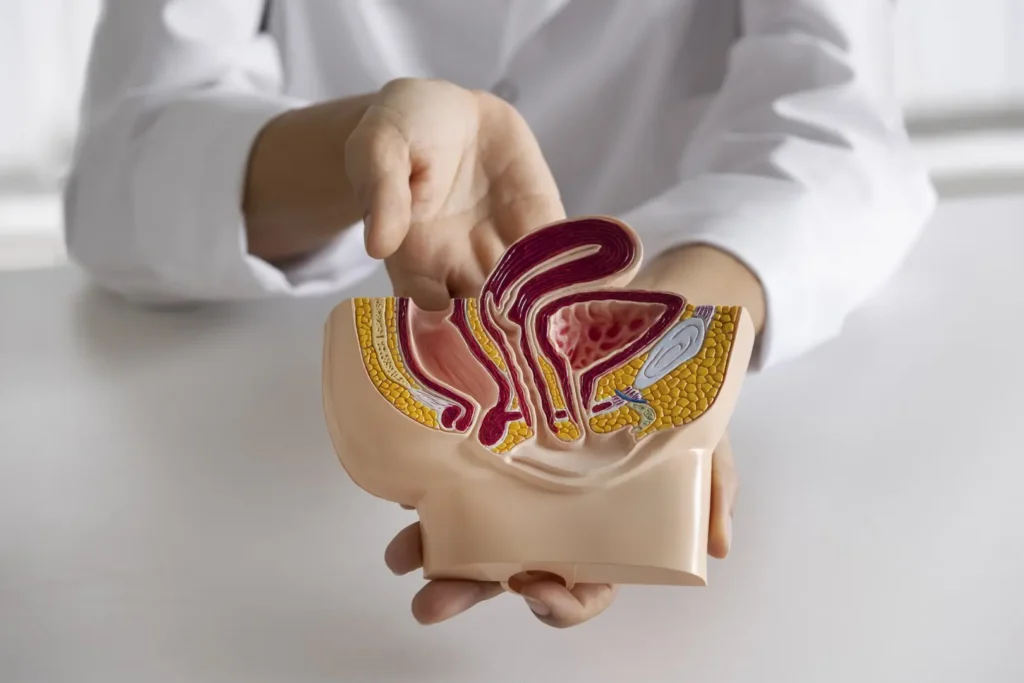
The Impact of Fistula on Women’s Health and Wellbeing Fistula is a medical condition that significantly impacts women’s health and wellbeing, often causing severe physical and emotional distress. Despite advancements in healthcare, many women, particularly in low-resource settings, continue to suffer from this debilitating condition. Dr. Preethi Mrinalini, the best female surgeon in Chennai, and her team at Marinas Clinic are dedicated to addressing this critical issue and improving the quality of life for affected women. Understanding FistulaA fistula is an abnormal connection between two body parts, such as organs or vessels, that do not normally connect. In women, obstetric fistulas are among the most common types, typically occurring as a result of prolonged and obstructed labor without timely medical intervention. This condition creates a hole between the vagina and the bladder or rectum, leading to uncontrollable leakage of urine or feces.The consequences of fistula extend beyond physical discomfort. Women with this condition often face social stigma, isolation, and psychological trauma. Many are abandoned by their families and communities, exacerbating their suffering. The Prevalence and CausesObstetric fistulas predominantly affect women in developing countries, where access to quality maternal healthcare is limited. The World Health Organization (WHO) estimates that millions of women worldwide are living with untreated obstetric fistulas, with thousands of new cases occurring each year. The primary causes include:Prolonged Labor: Extended labor without medical intervention can lead to pressure necrosis, resulting in a fistula.Lack of Access to Healthcare: Inadequate healthcare facilities and trained personnel contribute to the prevalence of fistulas.Early Childbirth: Young girls whose bodies are not fully developed are at a higher risk of obstructed labor.Poverty: Financial constraints often prevent women from seeking timely medical care during childbirth. The Impact on Women’s LivesThe physical impact of fistula is profound. Women with this condition experience chronic incontinence, recurrent infections, and severe pain. The constant leakage of urine or feces leads to skin infections and a persistent foul odor, making it difficult for affected women to maintain personal hygiene and dignity.The social and emotional toll is equally devastating. Many women with fistulas are ostracized by their communities and abandoned by their families. They often suffer from depression, anxiety, and a profound sense of shame and worthlessness. The isolation and stigma further compound their suffering, leading to a diminished quality of life. Dr. Preethi Mrinalini’s Commitment to Fistula CareDr. Preethi Mrinalini, renowned as the best female surgeon in Chennai, has dedicated her career to improving women’s health, particularly in the field of fistula care. At Marinas Clinic, she leads a team of skilled professionals who are committed to providing comprehensive and compassionate care to women affected by fistulas. Surgical Interventions and Comprehensive CareDr. Preethi Mrinalini emphasizes a holistic approach to fistula treatment, combining surgical interventions with psychological support and rehabilitation. Surgical repair of fistulas is a complex procedure that requires expertise and precision. Under Dr. Mrinalini’s leadership, Marinas Clinic has successfully performed numerous fistula repairs, restoring health and dignity to countless women.Beyond surgery, the clinic offers comprehensive care, including pre- and post-operative counseling, nutritional support, and physical rehabilitation. Recognizing the emotional impact of fistula, Dr. Mrinalini and her team provide psychological counseling to help women rebuild their self-esteem and reintegrate into their communities. Raising Awareness and Promoting PreventionDr. Preethi Mrinalini is also actively involved in raising awareness about fistula and advocating for preventive measures. She conducts community outreach programs to educate women about the importance of maternal health and the risks of prolonged labor. By promoting early and safe childbirth practices, she aims to reduce the incidence of obstetric fistulas.Additionally, Dr. Mrinalini collaborates with local and international organizations to advocate for improved healthcare infrastructure and policies that support women’s health. Her efforts have contributed to increased awareness and resource allocation for fistula prevention and treatment. ConclusionFistula is a condition that profoundly affects women’s health and wellbeing, causing physical pain, social isolation, and emotional trauma. However, with dedicated professionals like Dr. Preethi Mrinalini at the forefront, there is hope for affected women. Through surgical excellence, comprehensive care, and advocacy, Dr. Mrinalini and her team at Marinas Clinic are making a significant impact on the lives of women with fistulas, restoring their health, dignity, and quality of life.As the best female surgeon in Chennai, Dr. Preethi Mrinalini exemplifies the commitment and compassion needed to address this critical women’s health issue. Her work at Marinas Clinic serves as a beacon of hope for women suffering from fistulas, offering them a chance to reclaim their lives and futures. Recent Posts Ulcerative Colitis Research and Innovation: Promising Developments in Treatment 08 Jul 2024 The Impact of Fistula on Women's Health and Wellbeing 08 Jul 2024 Exploring Lifestyle Changes to Reduce the Risk of Colorectal Cancer 01 Jul 2024 Interview with a Laparoscopic Surgeon: Insights into the World of Minimally Invasive Surgery 01 Jul 2024 Exploring the Specialties Within General Surgery: What Sets Them Apart 24 Jun 2024 Have Any Question? Contact us +91 98840 00171 [email protected]
Exploring Lifestyle Changes to Reduce the Risk of Colorectal Cancer
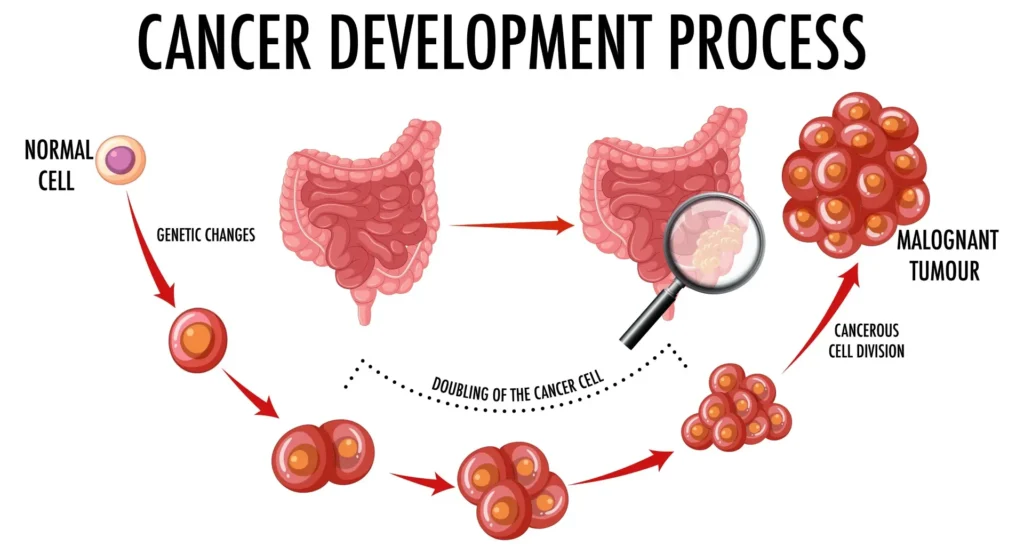
Exploring Lifestyle Changes to Reduce the Risk of Colorectal Cancer Colorectal cancer is a prevalent yet largely preventable form of cancer. According to Dr. Preethi Mrinalini, a leading expert at Marinas Clinic in Chennai, adopting certain lifestyle changes can significantly reduce the risk of developing this disease. Here, we delve into these lifestyle modifications that can help safeguard your health. Understanding Colorectal CancerColorectal cancer affects the colon or rectum, often beginning as benign polyps that can develop into cancer over time. Factors such as age, family history, and genetic predisposition can increase the risk. However, lifestyle choices play a crucial role in prevention. Key Lifestyle Changes for Prevention Maintain a Healthy Diet: A diet rich in fruits, vegetables, and whole grains provides essential nutrients and fiber, which promote digestive health. Dr. Mrinalini emphasizes the importance of reducing red and processed meats, as these have been linked to an increased risk of colorectal cancer. Stay Physically Active: Regular exercise not only helps maintain a healthy weight but also reduces the risk of colorectal cancer. Aim for at least 30 minutes of moderate physical activity most days of the week. Limit Alcohol Consumption: Alcohol consumption, especially excessive intake, has been associated with an increased risk of colorectal cancer. It’s advisable to moderate alcohol consumption or avoid it altogether. Quit Smoking: Smoking is linked to various cancers, including colorectal cancer. Quitting smoking reduces overall cancer risk and improves overall health. Screening and Early Detection: Regular screening tests, such as colonoscopies, can detect precancerous polyps or early-stage cancer when treatment is most effective. Dr. Mrinalini recommends individuals at average risk begin screening at age 45 or earlier if there are risk factors present. Maintain a Healthy Weight: Being overweight or obese increases the risk of colorectal cancer. Adopting a balanced diet and staying physically active can help achieve and maintain a healthy weight. Dr. Preethi Mrinalini’s PerspectiveAs one of Chennai’s foremost experts in colorectal surgery, Dr. Preethi Mrinalini stresses the importance of these lifestyle changes in reducing colorectal cancer risk. At Marinas Clinic, she advocates for holistic patient care, combining medical expertise with personalized lifestyle recommendations tailored to each patient’s needs. ConclusionIn conclusion, colorectal cancer is a preventable disease, and lifestyle choices play a pivotal role in reducing its incidence. By adopting a healthy diet, staying physically active, avoiding tobacco and excessive alcohol consumption, and undergoing regular screenings, individuals can significantly lower their risk. Dr. Preethi Mrinalini’s insights from Marinas Clinic underscore the effectiveness of these lifestyle changes in promoting colorectal health. Take charge of your health today by making informed lifestyle choices to protect against colorectal cancer.Implementing these changes not only reduces the risk of colorectal cancer but also contributes to overall well-being and longevity. Together, we can strive towards a future where colorectal cancer is no longer a prevalent threat, thanks to proactive health measures and expert guidance from professionals like Dr. Preethi Mrinalini at Marinas Clinic. Recent Posts Ulcerative Colitis Research and Innovation: Promising Developments in Treatment 08 Jul 2024 The Impact of Fistula on Women's Health and Wellbeing 08 Jul 2024 Exploring Lifestyle Changes to Reduce the Risk of Colorectal Cancer 01 Jul 2024 Interview with a Laparoscopic Surgeon: Insights into the World of Minimally Invasive Surgery 01 Jul 2024 Exploring the Specialties Within General Surgery: What Sets Them Apart 24 Jun 2024 Have Any Question? Contact us +91 98840 00171 [email protected]