
Interview with a Laparoscopic Surgeon: Insights into the World of Minimally Invasive Surgery

Interview with a Laparoscopic Surgeon: Insights into the World of Minimally Invasive Surgery IntroductionIn the realm of surgical innovation, minimally invasive surgery has revolutionized patient care, offering quicker recovery times, less pain, and reduced hospital stays. Dr. Preethi Mrinalini, a leading laparoscopic surgeon based in Chennai, epitomizes excellence in this field. Renowned for her expertise and compassionate care, Dr. Mrinalini practices at Marinas Clinic, where she has transformed countless lives through advanced surgical techniques. The Rise of Minimally Invasive SurgeryMinimally invasive surgery (MIS) involves performing surgical procedures through small incisions using specialized instruments guided by cameras. This technique contrasts sharply with traditional open surgery, which requires larger incisions and longer recovery times. Dr. Preethi Mrinalini explains, “MIS allows for precision and accuracy while minimizing trauma to the patient’s body. It has truly changed how we approach various surgical procedures.” Insights into Daily PracticeAt Marinas Clinic, Dr. Mrinalini’s daily routine blends surgical precision with patient-centered care. “Each case is unique,” she notes, “and it’s crucial to tailor our approach to meet the patient’s individual needs.” From gallbladder removal to complex gastrointestinal surgeries, she and her team are committed to delivering optimal outcomes with minimal disruption to patients’ lives. Advantages of Laparoscopic SurgeryDiscussing the advantages of laparoscopic surgery, Dr. Mrinalini highlights reduced recovery times and decreased risk of complications such as infections and blood loss. “Patients typically experience less pain post-operatively,” she explains, “and are able to resume normal activities sooner, which is particularly beneficial for those with busy lifestyles.” Challenges and InnovationsWhile MIS offers significant benefits, Dr. Mrinalini acknowledges ongoing challenges, such as the learning curve for new surgeons and technological advancements. “Staying abreast of the latest innovations is crucial,” she emphasizes, “as it allows us to continually improve patient outcomes and expand the scope of what we can achieve.” Future Directions in Minimally Invasive SurgeryLooking ahead, Dr. Preethi Mrinalini is optimistic about the future of MIS. “We’re seeing advancements in robotics and imaging technology,” she says, “which promise to further enhance precision and expand the range of procedures that can be performed minimally invasively.” These developments, she believes, will continue to redefine surgical standards and improve patient care globally. ConclusionDr. Preethi Mrinalini’s dedication to advancing the field of minimally invasive surgery underscores her commitment to excellence and patient well-being. As she continues to inspire and innovate at Marinas Clinic, her insights into the world of laparoscopic surgery serve as a testament to the transformative power of medical innovation and compassionate care.In conclusion, Dr. Preethi Mrinalini’s journey as the best female surgeon in Chennai not only highlights her expertise but also her unwavering dedication to patient-centered healthcare. Her insights into minimally invasive surgery offer a glimpse into the future of surgical excellence and patient care. Recent Posts Exploring Lifestyle Changes to Reduce the Risk of Colorectal Cancer 01 Jul 2024 Interview with a Laparoscopic Surgeon: Insights into the World of Minimally Invasive Surgery 01 Jul 2024 Exploring the Specialties Within General Surgery: What Sets Them Apart 24 Jun 2024 The Importance of Routine Master Health Checkups for Preventive Care 24 Jun 2024 Fissure Q&A: Top Questions 17 Jun 2024 Have Any Question? Contact us +91 98840 00171 [email protected]
The Importance of Routine Master Health Checkups for Preventive Care

The Importance of Routine Master Health Checkups for Preventive Care In today’s fast-paced world, maintaining good health is paramount. With increasing life expectancy and the prevalence of lifestyle-related diseases, it is essential to prioritize preventive care. One of the most effective ways to ensure early detection and prevention of health issues is through routine master health checkups. Dr. Preethi Mrinalini, a renowned practitioner at Marinas Clinic and recognized as the best female surgeon in Chennai, emphasizes the significance of these checkups for maintaining optimal health and well-being. Understanding Preventive Care Preventive care focuses on the early detection and prevention of diseases before they become severe. This approach not only reduces the risk of developing serious health conditions but also minimizes healthcare costs and improves the quality of life. Preventive care encompasses a range of services, including vaccinations, screenings, and routine health checkups. The Role of Master Health Checkups A master health checkup is a comprehensive examination that evaluates various aspects of an individual’s health. These checkups typically include a series of tests and screenings designed to detect potential health issues at an early stage. The primary goal of a master health checkup is to identify risk factors and provide timely interventions to prevent the onset of diseases.Dr. Preethi Mrinalini, with her extensive experience at Marinas Clinic, highlights the importance of regular health checkups in preventive care. She explains that these checkups can reveal hidden health problems that might not present any symptoms initially but could develop into severe conditions if left untreated. Benefits of Routine Master Health Checkups Early Detection of Diseases: Routine health checkups can identify health problems at an early stage, making them easier to treat. Conditions such as hypertension, diabetes, and high cholesterol can be detected early and managed effectively to prevent complications. Comprehensive Health Assessment: A master health checkup provides a detailed overview of an individual’s health status. It includes a range of tests, such as blood tests, imaging studies, and physical examinations, offering a holistic assessment of one’s health. Personalized Preventive Strategies: Based on the results of the health checkup, healthcare providers like Dr. Preethi Mrinalini can develop personalized preventive strategies. These strategies may include lifestyle modifications, dietary recommendations, and specific treatments to address identified risk factors. Cost-Effective Healthcare: Preventive care is often more cost-effective than treating advanced diseases. Regular health checkups can help avoid expensive medical treatments by detecting and managing health issues early. Peace of Mind: Knowing that you are regularly monitoring your health can provide peace of mind. It reduces anxiety about potential health problems and empowers individuals to take proactive steps toward their well-being. Components of a Master Health CheckupA typical master health checkup includes several key components: Medical History Review: Understanding an individual’s medical history, including family history, lifestyle, and previous illnesses. Physical Examination: A thorough physical examination to assess overall health and identify any physical abnormalities. Laboratory Tests: Blood tests to check for conditions like anemia, diabetes, kidney function, liver function, cholesterol levels, and more. Imaging Studies: Imaging tests such as X-rays, ultrasounds, and CT scans to detect any internal abnormalities. Cardiovascular Assessment: Tests like ECG and stress tests to evaluate heart health. Cancer Screenings: Screenings for various types of cancer, such as mammograms, Pap smears, and prostate exams, based on age and risk factors. Specialized Tests: Additional tests may be recommended based on individual risk factors and health concerns. Choosing the Right Healthcare ProviderSelecting the right healthcare provider for your routine health checkups is crucial. Marinas Clinic, under the expert guidance of Dr. Preethi Mrinalini, offers comprehensive master health checkups tailored to meet individual needs. Recognized as the best female surgeon in Chennai, Dr. Mrinalini brings a wealth of knowledge and experience to her practice, ensuring that patients receive the highest quality of care. ConclusionRoutine master health checkups are an essential component of preventive care. They provide a thorough assessment of an individual’s health, enabling early detection and timely intervention for various health conditions. Dr. Preethi Mrinalini at Marinas Clinic exemplifies the importance of regular health checkups, offering expert care and personalized preventive strategies to help individuals maintain optimal health. Prioritizing preventive care through routine checkups is a proactive step towards a healthier, longer, and more fulfilling life. Recent Posts Exploring the Specialties Within General Surgery: What Sets Them Apart 24 Jun 2024 The Importance of Routine Master Health Checkups for Preventive Care 24 Jun 2024 Fissure Q&A: Top Questions 17 Jun 2024 Blood Tests: What to Expect and How to Prepare 17 Jun 2024 The Science Behind Stress: How It Affects Your Body and Mind 10 Jun 2024 Have Any Question? Contact us +91 98840 00171 [email protected]
Exploring the Specialties Within General Surgery: What Sets Them Apart

Exploring the Specialties Within General Surgery: What Sets Them Apart General surgery is a vast and intricate field of medicine encompassing a wide range of procedures and specialties. Surgeons in this domain are skilled in various types of operations, dealing with everything from routine appendectomies to complex organ transplants. As the landscape of medical science advances, the specialties within general surgery have become more defined, each with its own unique focus and expertise. In this blog, we delve into the specialties within general surgery and what sets them apart, with a spotlight on Dr. Preethi Mrinalini, a renowned surgeon at Marinas Clinic, recognized as the best female surgeon in Chennai. The Scope of General SurgeryGeneral surgery involves surgical interventions on various parts of the body, including the digestive tract, abdomen, skin, breast, soft tissues, and endocrine system. A general surgeon’s training is comprehensive, covering a broad range of conditions and procedures, which allows them to handle many different surgical challenges. However, within this broad field, there are several subspecialties that require additional training and expertise. Subspecialties within General Surgery1. Colorectal SurgeryColorectal surgery focuses on disorders of the colon, rectum, and anus. Surgeons in this specialty manage conditions such as colorectal cancer, inflammatory bowel disease (Crohn’s disease and ulcerative colitis), and hemorrhoids. Techniques include both minimally invasive procedures and traditional open surgeries. Precision in this field is crucial to ensure the best outcomes and reduce complications.2. Bariatric SurgeryBariatric surgery is dedicated to weight loss surgeries, including procedures like gastric bypass, sleeve gastrectomy, and adjustable gastric banding. These operations are designed to help individuals with severe obesity lose weight and reduce the risk of obesity-related health issues, such as diabetes and heart disease. Bariatric surgeons require a deep understanding of metabolic processes and must be adept at both surgical techniques and patient management post-surgery.3. Breast SurgeryBreast surgery encompasses surgical interventions for breast cancer, benign breast diseases, and cosmetic breast procedures. Surgeons in this field perform lumpectomies, mastectomies, breast reconstructions, and biopsies. This speciality requires not only technical skill but also a compassionate approach, as patients often face significant emotional and psychological challenges.4. Trauma and Acute Care SurgeryTrauma and acute care surgeons handle emergency surgical cases, often involving critical injuries from accidents, violence, or acute medical conditions requiring immediate intervention. This speciality demands the ability to make quick decisions, perform under pressure, and handle a wide variety of injuries and complications.5. Endocrine SurgeryEndocrine surgery involves operations on the thyroid, parathyroid, and adrenal glands. Conditions treated include thyroid cancer, hyperthyroidism, and adrenal tumours. Endocrine surgeons must have a thorough knowledge of hormonal systems and the intricate anatomy of these small but vital glands.6. Transplant SurgeryTransplant surgery is one of the most complex and specialized fields within general surgery. Surgeons perform organ transplants, such as liver, kidney, and pancreas transplants. This speciality requires extensive training, precision, and coordination with a multidisciplinary team to ensure successful outcomes and manage the complexities of immunosuppression.7. Hepatobiliary and Pancreatic SurgeryThis speciality focuses on diseases of the liver, bile ducts, and pancreas. Conditions treated include liver cancer, pancreatic cancer, and gallstones. Surgeons in this field often perform intricate procedures such as liver resections and pancreaticoduodenectomies (Whipple procedures). Spotlight on Dr. Preethi MrinaliniDr. Preethi Mrinalini, based at Marinas Clinic, stands out as one of the best female surgeons in Chennai. With a stellar reputation in general surgery, she has honed her skills across various subspecialties, making her a versatile and highly skilled practitioner.Expertise and AchievementsDr. Mrinalini is known for her expertise in minimally invasive procedures, which offer patients quicker recovery times and reduced post-operative pain. Her proficiency in laparoscopic surgery, particularly in the fields of colorectal and bariatric surgery, has garnered her significant acclaim. Her dedication to patient care and her meticulous surgical technique have made her a preferred choice for many seeking surgical intervention in Chennai.Compassionate CareWhat sets Dr. Preethi Mrinalini apart is her compassionate approach to patient care. She understands the anxieties and concerns that accompany surgical procedures and takes the time to ensure her patients are well-informed and comfortable. Her ability to blend technical expertise with empathetic patient interaction has earned her the trust and respect of her patients.Innovations and ContributionsAt Marinas Clinic, Dr. Mrinalini is at the forefront of adopting innovative surgical techniques and technologies. Her commitment to continuous learning and improvement is evident in her pursuit of advanced training and her active participation in medical conferences and workshops.ConclusionThe field of general surgery is a tapestry of diverse and specialized practices, each requiring unique skills and expertise. Surgeons like Dr. Preethi Mrinalini exemplify the dedication and excellence required to excel in this demanding profession. At Marinas Clinic, patients can expect top-notch surgical care delivered with precision and compassion, making Dr. Mrinalini a standout choice for anyone seeking the best female surgeon in Chennai. Recent Posts Exploring the Specialties Within General Surgery: What Sets Them Apart 24 Jun 2024 The Importance of Routine Master Health Checkups for Preventive Care 24 Jun 2024 Fissure Q&A: Top Questions 17 Jun 2024 Blood Tests: What to Expect and How to Prepare 17 Jun 2024 The Science Behind Stress: How It Affects Your Body and Mind 10 Jun 2024 Have Any Question? Contact us +91 98840 00171 [email protected]
Fissure Q&A: Top Questions
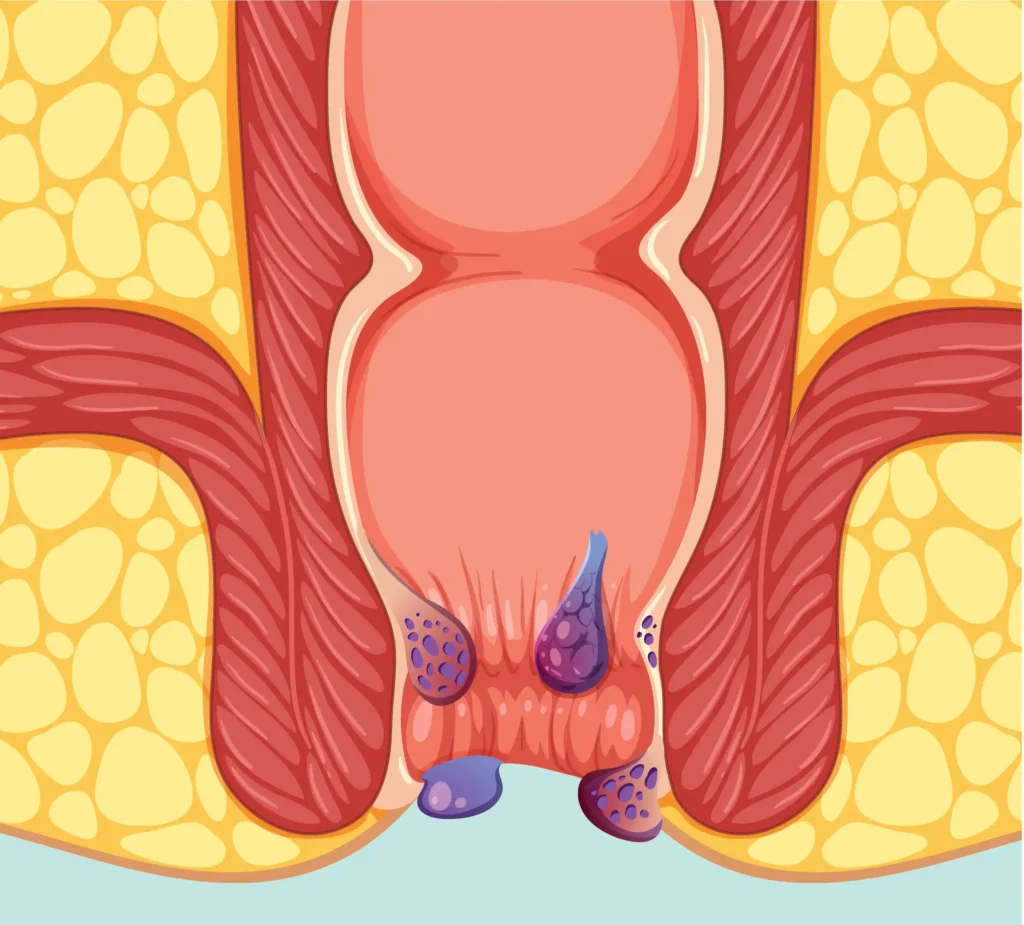
Fissure Q&A: Top Questions Living with an anal fissure can be an uncomfortable and often painful experience. Yet, it’s a common condition that many people face. To shed light on this issue, we turn to Dr. Peerthi Mrinalini, widely regarded as the best female surgeon in Chennai, for her expert insights. At Marinas Clinic, she has helped countless patients find relief and healing. In this blog, we answer some of the most frequently asked questions about anal fissures with Dr. Mrinalini’s expertise guiding us. What is an Anal Fissure?An anal fissure is a small tear in the lining of the anus, which can cause pain and bleeding during bowel movements. The condition is often confused with hemorrhoids but is distinct and requires specific treatments. Dr. Peerthi Mrinalini explains, “An anal fissure typically results from trauma to the anal canal, which can occur during the passage of large or hard stools, chronic diarrhea, or inflammatory conditions of the intestines.” What Are the Common Symptoms?The primary symptom of an anal fissure is sharp pain during and after bowel movements. Other symptoms include: Bright red blood on the stool or toilet paper Itching or irritation around the anus A visible crack or tear in the skin around the anus A small lump or skin tag near the fissure Dr. Mrinalini notes, “If you’re experiencing these symptoms, it’s essential to seek medical advice promptly to prevent complications and start effective treatment.” What Causes Anal Fissures?Several factors can lead to the development of anal fissures. Dr. Peerthi Mrinalini outlines the most common causes: Constipation: Straining during bowel movements can cause tears. Diarrhea: Frequent loose stools can irritate the anal lining. Childbirth: Women may develop fissures due to the strain of delivery. Inflammatory Bowel Disease (IBD): Conditions like Crohn’s disease can increase susceptibility. Anal Intercourse: Trauma from anal sex can cause fissures. How Are Anal Fissures Diagnosed?Diagnosis typically involves a physical examination. Dr. Mrinalini explains, “During a consultation at Marinas Clinic, we conduct a gentle examination of the anal region. In some cases, additional tests such as an anoscopy or sigmoidoscopy might be necessary to rule out other conditions.” What Are the Treatment Options?Treatment for anal fissures can vary based on the severity and duration of the condition. Dr. Peerthi Mrinalini offers a range of treatments at Marinas Clinic:1.Conservative Treatments: Dietary Changes: Increasing fiber intake and hydration can soften stools. Topical Medications: Numbing creams and ointments can reduce pain and promote healing. Sitz Baths: Warm water baths can soothe the area and improve blood flow. 2.Medical Treatments: Nitrate Ointments: These relax the anal sphincter to reduce pain and aid healing. Calcium Channel Blockers: Applied topically, these can also relax the sphincter muscles. 3.Surgical Treatments: Lateral Internal Sphincterotomy (LIS): This procedure involves cutting a small portion of the anal sphincter muscle to reduce spasm and pain, promoting healing. Dr. Mrinalini emphasizes, “LIS is highly effective, especially for chronic fissures that haven’t responded to other treatments.” Can Anal Fissures Be Prevented?Preventing anal fissures largely involves lifestyle and dietary adjustments. Dr. Mrinalini recommends: Maintaining a High-Fiber Diet: This ensures soft, regular stools. Staying Hydrated: Adequate water intake prevents constipation. Practicing Good Anal Hygiene: Gentle cleansing of the anal area can prevent irritation. Avoiding Strain During Bowel Movements: Taking time and not forcing stools can reduce the risk. When Should You See a Doctor?“If you experience persistent pain, bleeding, or symptoms that don’t improve with home treatments, it’s crucial to see a healthcare professional,” advises Dr. Peerthi Mrinalini. Ignoring symptoms can lead to complications such as chronic fissures or infections. ConclusionAnal fissures, though uncomfortable, can be effectively managed with the right approach and treatment. Under the expert care of Dr. Peerthi Mrinalini at Marinas Clinic, patients receive personalized, compassionate care tailored to their needs. If you or someone you know is struggling with anal fissures, don’t hesitate to reach out for professional help. Early intervention can make a significant difference in achieving relief and preventing chronic issues.For appointments and consultations, visit Marinas Clinic and take the first step towards a pain-free life. Recent Posts Fissure Q&A: Top Questions 17 Jun 2024 Blood Tests: What to Expect and How to Prepare 17 Jun 2024 The Science Behind Stress: How It Affects Your Body and Mind 10 Jun 2024 Fissure vs. Hemorrhoids: Understanding the Key Differences 10 Jun 2024 Breast Carcinoma Staging Explained: From Stage 0 to Stage IV 30 May 2024 Have Any Question? Contact us +91 98840 00171 [email protected]
Blood Tests: What to Expect and How to Prepare
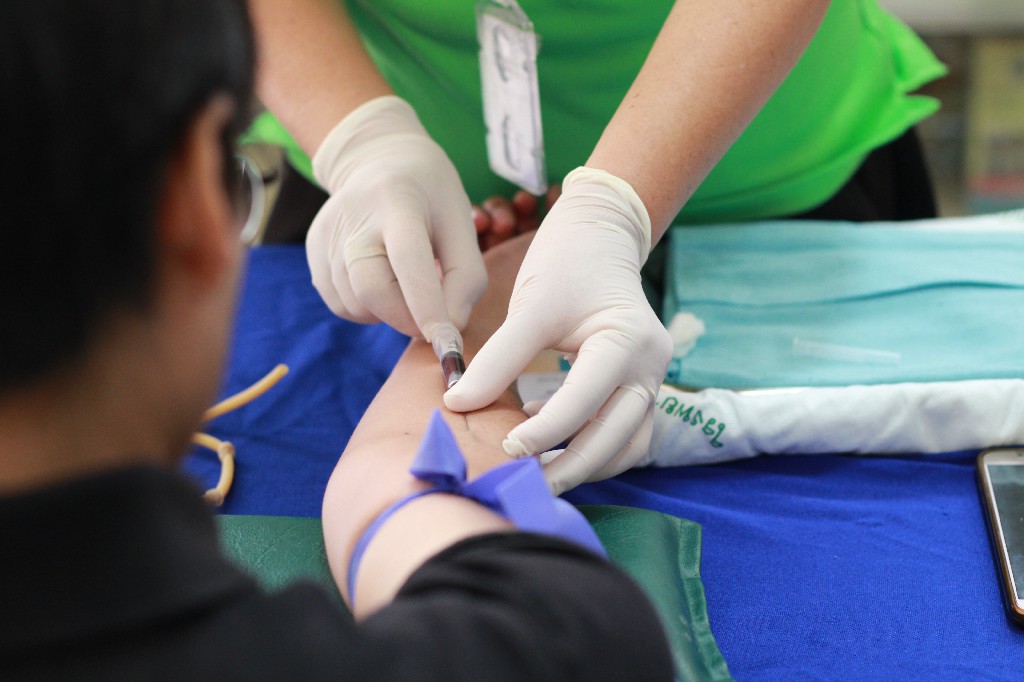
Blood Tests: What to Expect and How to Prepare When it comes to maintaining your health, blood tests are one of the most common and effective tools your doctor can use. Whether you’re visiting Dr. Preethi Mrinalini, one of the best surgeons in Chennai at Marinas Clinic, or any healthcare provider, understanding what to expect and how to prepare for a blood test can make the experience smoother and less stressful. Understanding Blood TestsBlood tests are used to diagnose diseases, monitor the effectiveness of treatments, and evaluate overall health. They can measure various substances in your blood, including:Glucose: High levels can indicate diabetes.Cholesterol: Both HDL (good) and LDL (bad) cholesterol levels are checked.Electrolytes: Important for hydration and heart function.Hormones: Levels of thyroid hormones, for example, can indicate hyperthyroidism or hypothyroidism.Enzymes: Can show how well your liver and heart are functioning. Dr. Preethi Mrinalini often emphasizes the importance of regular blood tests as part of a proactive healthcare regimen, especially for patients with ongoing health issues or those undergoing surgical procedures. What to Expect During a Blood TestThe ProcedureRegistration and Consent: Upon arrival at Marinas Clinic, you’ll register and give consent for the blood test.Preparation: A healthcare professional will ask you to sit or lie down and may apply a tourniquet to your arm to make your veins more visible.Collection: A needle is inserted into a vein (usually in the arm) to draw blood. You might feel a quick pinch, but the process is typically not painful.Aftercare: Once enough blood is collected, the needle is removed, and a small bandage is applied to the puncture site.The entire process generally takes only a few minutes. Dr. Preethi Mrinalini ensures that all procedures at Marinas Clinic adhere to the highest standards of hygiene and patient comfort. After the TestAfter your blood sample is collected, it is sent to a laboratory for analysis. The results can take anywhere from a few hours to a few days, depending on the tests ordered. Your healthcare provider will discuss the results with you and explain what they mean for your health. How to Prepare for a Blood TestPreparation can vary depending on the type of blood test you are having. Here are some general tips:FastingFor some blood tests, such as lipid panels or glucose tests, fasting is required. This means you shouldn’t eat or drink anything except water for 8-12 hours before the test. Dr. Preethi Mrinalini advises scheduling fasting tests early in the morning to make the fasting period more manageable.MedicationsInform your doctor about any medications or supplements you are taking. Some substances can affect test results, and you may need to stop taking them temporarily.HydrationDrink plenty of water before your test. Staying hydrated can make it easier to draw blood and can also improve the accuracy of some tests.ComfortWear comfortable clothing with sleeves that can be easily rolled up. If you have a fear of needles, let the healthcare provider know—they can help you manage your anxiety. Special ConsiderationsSpecific TestsCertain tests might require additional preparations. For example, if you’re having a test to measure hormone levels, it might need to be done at a specific time of day. Always follow the specific instructions given by your healthcare provider or the staff at Marinas Clinic. Conditions and SymptomsIf you have any specific conditions, such as bleeding disorders, or if you are experiencing symptoms like dizziness or fainting spells, inform your doctor beforehand. Dr. Preethi Mrinalini and her team at Marinas Clinic are well-equipped to handle such situations and ensure your safety and comfort. ConclusionRegular blood tests are a cornerstone of preventive health care, helping detect potential health issues early and monitor existing conditions. When you visit a reputable healthcare provider like Dr. Preethi Mrinalini at Marinas Clinic, you can expect professional, compassionate care. By knowing what to expect and how to prepare, you can help ensure that your blood tests provide the most accurate and useful information for your health. Whether it’s your first blood test or a routine check-up, taking these steps can make the process easier and more efficient. For more information or to schedule an appointment with Dr. Preethi Mrinalini, recognized as one of the best surgeons in Chennai, visit Marinas Clinic. Your health is a priority, and understanding your blood tests is a step towards maintaining it. Recent Posts Fissure Q&A: Top Questions 17 Jun 2024 Blood Tests: What to Expect and How to Prepare 17 Jun 2024 The Science Behind Stress: How It Affects Your Body and Mind 10 Jun 2024 Fissure vs. Hemorrhoids: Understanding the Key Differences 10 Jun 2024 Breast Carcinoma Staging Explained: From Stage 0 to Stage IV 30 May 2024 Have Any Question? Contact us +91 98840 00171 [email protected]
The Science Behind Stress: How It Affects Your Body and Mind

The Science Behind Stress: How It Affects Your Body and Mind In our fast-paced world, stress has become a common experience. Whether it’s triggered by work pressures, financial concerns, or personal relationships, stress can significantly impact both our body and mind. Understanding the science behind stress can help us manage it better and mitigate its negative effects. What is Stress?Stress is the body’s natural response to any demand or threat, real or perceived. When you encounter a stressful situation, your brain initiates a cascade of hormonal and physiological responses known as the “fight or flight” response. This is an evolutionary mechanism designed to help us survive immediate dangers. The Biological Mechanism of StressWhen you perceive a threat, your hypothalamus, a tiny region at the base of your brain, sets off an alarm system in your body. This system prompts your adrenal glands, located atop your kidneys, to release a surge of hormones, including adrenaline and cortisol. Adrenaline and CortisolAdrenaline increases your heart rate, elevates your blood pressure, and boosts energy supplies. Cortisol, the primary stress hormone, increases glucose in the bloodstream, enhances your brain’s use of glucose, and increases the availability of substances that repair tissues. Cortisol also curbs functions that would be nonessential or detrimental in a fight-or-flight situation. It alters immune system responses and suppresses the digestive system, the reproductive system, and growth processes. The HPA AxisThe interaction between the hypothalamus, pituitary gland, and adrenal glands, known as the HPA axis, plays a crucial role in the stress response. When the stressor passes, the feedback mechanisms reduce hormone levels and return your body to a state of balance. The Impact of Chronic StressWhile the fight-or-flight response is beneficial in acute, short-term situations, chronic stress can have detrimental effects on the body and mind. Chronic stress keeps the HPA axis activated over a long period, leading to prolonged exposure to cortisol and other stress hormones. Physical Health EffectsCardiovascular System: Chronic stress can contribute to hypertension, heart disease, and stroke. The constant elevation of heart rate and blood pressure damages the cardiovascular system.Immune System: Stress suppresses the immune system, making you more susceptible to infections and illnesses. It can also exacerbate existing conditions like asthma and allergies.Digestive System: Stress affects the digestive system, leading to issues like acid reflux, irritable bowel syndrome (IBS), and ulcers.Musculoskeletal System: Muscle tension, a common response to stress, can lead to headaches, back pain, and other musculoskeletal issues.Endocrine System: Chronic stress can disrupt endocrine functions, contributing to conditions like diabetes and metabolic syndrome. Mental Health EffectsAnxiety and Depression: Chronic stress is a significant risk factor for anxiety and depression. The constant release of stress hormones can alter brain chemistry, affecting mood and cognition.Cognitive Function: High levels of cortisol over extended periods can impair brain function. It affects memory, attention, and decision-making abilities.Sleep Disorders: Stress can interfere with sleep, leading to insomnia or poor-quality sleep. Lack of restful sleep exacerbates stress, creating a vicious cycle.Behavioral Changes: Stress can lead to changes in behavior, such as increased irritability, anger, or withdrawal. It can also contribute to unhealthy coping mechanisms like overeating, smoking, or substance abuse. Coping with StressGiven the extensive impact of stress on our body and mind, managing stress is crucial for overall well-being. Here are some effective strategies:Physical ActivityExercise is one of the most effective ways to combat stress. Physical activity increases the production of endorphins, the body’s natural mood lifters. It also improves sleep, reduces anxiety, and enhances overall health.Mindfulness and MeditationPractices like mindfulness, meditation, and yoga can help reduce stress by promoting relaxation and improving emotional regulation. These practices focus on the present moment, reducing the mind’s tendency to ruminate on past or future stressors.Healthy LifestyleA balanced diet, adequate sleep, and staying hydrated are essential for managing stress. Avoiding excessive caffeine, alcohol, and nicotine can also help stabilize your mood and energy levels.Social SupportConnecting with friends and family provides emotional support and helps mitigate the effects of stress. Talking about your stressors with someone you trust can provide relief and perspective.Professional HelpSometimes, stress can be overwhelming and difficult to manage on your own. Seeking help from a mental health professional, such as a psychologist or counselor, can provide you with strategies and tools to cope effectively. ConclusionStress is an inevitable part of life, but understanding the science behind it can empower us to manage its effects on our body and mind. By adopting healthy coping mechanisms and lifestyle choices, we can reduce the negative impact of stress and improve our overall well-being. Remember, taking care of your mental and physical health is not a luxury—it’s a necessity. Recent Posts The Science Behind Stress: How It Affects Your Body and Mind 10 Jun 2024 Fissure vs. Hemorrhoids: Understanding the Key Differences 10 Jun 2024 Breast Carcinoma Staging Explained: From Stage 0 to Stage IV 30 May 2024 Common Symptoms of Breast Carcinoma Every Woman Should Know 30 May 2024 Varicose Veins vs. Spider Veins: Understand the Difference 27 May 2024 Have Any Question? Contact us +91 98840 00171 [email protected]
Fissure vs. Hemorrhoids: Understanding the Key Differences
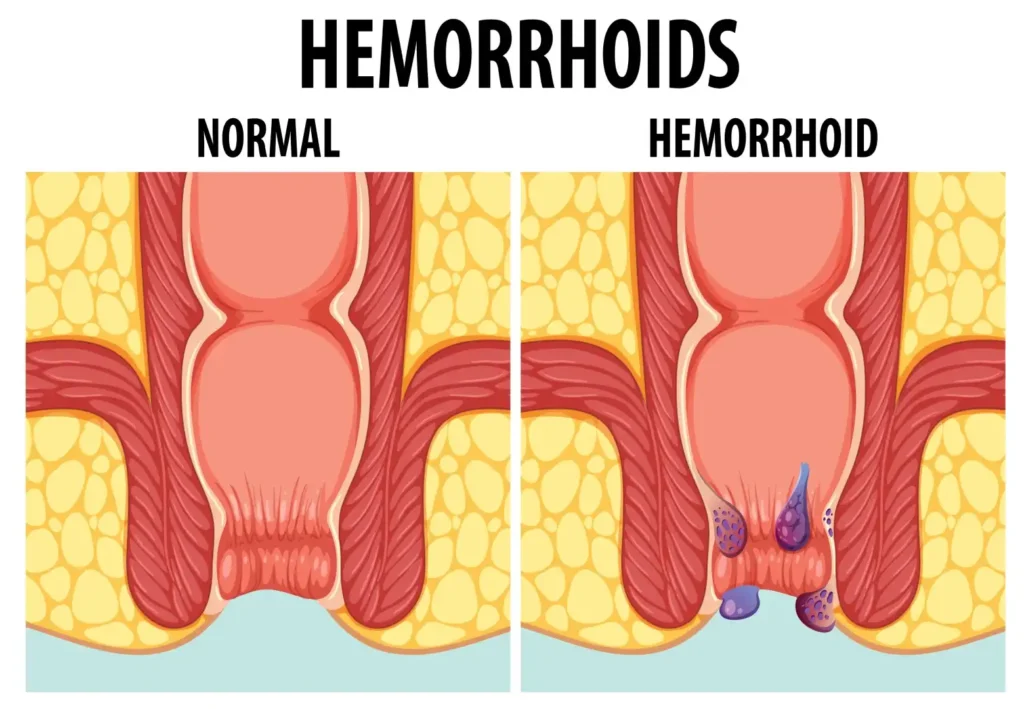
Fissure vs. Hemorrhoids: Understanding the Key Differences When it comes to anorectal conditions, fissures and hemorrhoids are two of the most common yet often misunderstood ailments. While both can cause significant discomfort and impact quality of life, understanding the key differences between the two is essential for effective treatment. Dr. Peerthi Mrinalini, the best female surgeon in Chennai at Marinas Clinic, provides expert insights into distinguishing between fissures and hemorrhoids and offers guidance on managing these conditions. What are Anal Fissures?An anal fissure is a small tear in the lining of the anus. This tear can cause severe pain and bleeding during bowel movements. Anal fissures are typically caused by the passage of large or hard stools, chronic diarrhea, or inflammatory conditions such as Crohn’s disease. Symptoms of Anal FissuresThe primary symptoms of an anal fissure include:Sharp pain during and after bowel movementsVisible tear in the skin around the anusBright red blood on the stool or toilet paperItching or irritation around the anusAnal fissures are often acute, healing within a few weeks with proper care. However, if left untreated, they can become chronic and may require medical intervention. What are Hemorrhoids?Hemorrhoids, commonly known as piles, are swollen blood vessels in the lower rectum and anus. They can be internal (inside the rectum) or external (under the skin around the anus). Hemorrhoids can develop due to increased pressure in the lower rectum, often from straining during bowel movements, sitting for long periods, or pregnancy. Symptoms of HemorrhoidsThe symptoms of hemorrhoids can vary depending on whether they are internal or external:Internal Hemorrhoids: These are usually painless but can cause bleeding during bowel movements. Prolapsed internal hemorrhoids may protrude through the anus, causing discomfort.External Hemorrhoids: These can cause itching, pain, and swelling around the anus. In some cases, a hard lump may form due to a blood clot (thrombosed hemorrhoid), leading to severe pain. Key Differences Between Fissures and HemorrhoidsWhile both conditions affect the anal region and can cause discomfort, there are distinct differences between fissures and hemorrhoids: Location and Nature of the Condition:Anal Fissures: A tear in the skin of the anal canal.Hemorrhoids: Swollen blood vessels in the lower rectum or anus. Primary Symptoms:Anal Fissures: Sharp pain during bowel movements, visible tear, and bright red bleeding.Hemorrhoids: Itching, swelling, bleeding, and pain depending on whether the hemorrhoid is internal or external. Causes:Anal Fissures: Hard or large stools, chronic diarrhea, inflammatory bowel disease.Hemorrhoids: Straining during bowel movements, prolonged sitting, pregnancy, obesity. Treatment Approaches:Anal Fissures: Conservative treatments include increased fiber intake, stool softeners, and topical anesthetics. Chronic fissures may require surgical intervention.Hemorrhoids: Treatments range from lifestyle changes and over-the-counter medications to minimally invasive procedures like rubber band ligation or surgical hemorrhoidectomy for severe cases. Diagnosis and Treatment at Marinas ClinicDr. Peerthi Mrinalini, renowned as the best female surgeon in Chennai, emphasizes the importance of accurate diagnosis for effective treatment. At Marinas Clinic, a comprehensive evaluation is conducted to differentiate between fissures and hemorrhoids, ensuring patients receive the most appropriate care. Diagnostic ProceduresThe diagnostic process may include:Physical Examination: A thorough examination of the anal region to check for visible signs of fissures or hemorrhoids.Anoscopy: A procedure using a small scope to view the anal canal and rectum, helpful in diagnosing internal hemorrhoids.Sigmoidoscopy or Colonoscopy: These may be recommended if there is a need to examine the lower or entire colon. Treatment OptionsDepending on the diagnosis, Dr. Peerthi Mrinalini and her team at Marinas Clinic offer tailored treatment plans:For Anal Fissures: Initial treatments focus on non-surgical methods such as dietary changes, topical medications, and sitz baths. Persistent fissures may require surgical procedures like lateral internal sphincterotomy.For Hemorrhoids: Treatment can range from conservative measures like dietary modifications and topical treatments to office-based procedures such as sclerotherapy, rubber band ligation, or advanced surgical techniques for severe cases. Preventive MeasuresPrevention is key in managing both fissures and hemorrhoids. Dr. Peerthi Mrinalini advises:Maintaining a High-Fiber Diet: To ensure soft stools and prevent straining.Staying Hydrated: Drinking plenty of water aids in digestion and stool passage.Regular Exercise: Promotes bowel regularity and reduces pressure on the veins.Avoiding Prolonged Sitting: Especially on the toilet, to minimize pressure on the anal region. ConclusionUnderstanding the differences between anal fissures and hemorrhoids is crucial for proper treatment and relief. If you experience symptoms, seeking medical advice from an experienced specialist like Dr. Peerthi Mrinalini at Marinas Clinic can help ensure a swift and effective recovery. Her expertise and compassionate care make her the best female surgeon in Chennai for treating these common yet distressing conditions. Recent Posts The Science Behind Stress: How It Affects Your Body and Mind 10 Jun 2024 Fissure vs. Hemorrhoids: Understanding the Key Differences 10 Jun 2024 Breast Carcinoma Staging Explained: From Stage 0 to Stage IV 30 May 2024 Common Symptoms of Breast Carcinoma Every Woman Should Know 30 May 2024 Varicose Veins vs. Spider Veins: Understand the Difference 27 May 2024 Have Any Question? Contact us +91 98840 00171 [email protected]
Breast Carcinoma Staging Explained: From Stage 0 to Stage IV

Breast Carcinoma Staging Explained: From Stage 0 to Stage IV Breast carcinoma, commonly known as breast cancer, is a complex disease that requires precise diagnosis and staging to determine the most effective treatment plan. Staging helps to understand the extent of cancer and guides the therapeutic approach. In this blog, we will delve into the stages of breast carcinoma, from Stage 0 to Stage IV, providing clarity on what each stage signifies. Renowned for her expertise in this field, Dr. Preethi Mrinalini, one of the best female surgeons in Chennai at Marinas Clinic, offers invaluable insights into this critical aspect of breast cancer care. Stage 0: Carcinoma in SituStage 0 breast carcinoma, also known as carcinoma in situ, represents the earliest form of breast cancer. At this stage, cancer cells are confined to their place of origin without invading surrounding tissues. There are two types of carcinoma in situ:Ductal Carcinoma in Situ (DCIS): Cancer cells are found in the lining of the breast ducts but haven’t spread outside.Lobular Carcinoma in Situ (LCIS): Abnormal cells are found in the lobules of the breast but haven’t invaded nearby tissue.Though not invasive, Stage 0 requires careful monitoring and, in some cases, treatment to prevent progression to invasive cancer. Stage I: Early Invasive Breast Cancer Stage I is the earliest stage of invasive breast cancer. It is subdivided into:Stage IA: The tumor is 2 centimeters or smaller and has not spread to lymph nodes.Stage IB: Small clusters of cancer cells (larger than 0.2 mm but not larger than 2 mm) are found in lymph nodes, or there is no tumor in the breast, but small groups of cancer cells are found in the lymph nodes. Early detection at this stage often results in a high success rate with treatments such as surgery, radiation, and sometimes chemotherapy. Stage II: Larger Tumors or Spread to Nearby Lymph Nodes Stage II breast cancer is more advanced but still highly treatable. It is further divided into:Stage IIA: Either the tumor is larger than 2 centimeters but not larger than 5 centimeters, or there is no tumor in the breast but cancer has spread to 1 to 3 axillary lymph nodes.Stage IIB: The tumor is larger than 2 centimeters but not larger than 5 centimeters and has spread to 1 to 3 axillary lymph nodes, or it is larger than 5 centimeters but has not spread to axillary lymph nodes.Treatment options at this stage might include a combination of surgery, radiation, chemotherapy, and hormone therapy. Stage III: Locally Advanced Breast Cancer Stage III breast cancer indicates more extensive cancer that may have spread to nearby tissues and lymph nodes. It is categorized into:Stage IIIA: Cancer has spread to 4-9 axillary lymph nodes, or it is larger than 5 centimeters and has spread to 1-3 axillary lymph nodes.Stage IIIB: The tumor has spread to the chest wall or skin of the breast, causing swelling or ulceration, and may have spread to up to 9 lymph nodes.Stage IIIC: Cancer has spread to 10 or more axillary lymph nodes, lymph nodes near the collarbone, or internal mammary nodes.Treatment for Stage III often involves a more aggressive approach, including surgery, radiation, chemotherapy, and targeted therapies. Stage IV: Metastatic Breast Cancer Stage IV breast cancer, also known as metastatic breast cancer, is the most advanced stage. It means the cancer has spread beyond the breast and nearby lymph nodes to other parts of the body, such as bones, liver, lungs, or brain. Symptoms depend on the affected areas and may include bone pain, jaundice, or neurological issues.Treatment for Stage IV focuses on controlling the spread and relieving symptoms to improve quality of life. It often involves systemic therapies such as hormone therapy, chemotherapy, targeted therapy, and immunotherapy. ConclusionUnderstanding the stages of breast carcinoma is crucial for determining the appropriate treatment plan and improving patient outcomes. Dr. Preethi Mrinalini, at Marinas Clinic in Chennai, emphasizes the importance of early detection and personalized treatment strategies for breast cancer patients. As one of the best female surgeons in Chennai, she advocates for awareness and regular screenings, which can significantly enhance the chances of successful treatment and recovery. If you or someone you know is dealing with breast cancer, consulting with experienced professionals like Dr. Preethi Mrinalini can provide the expertise and compassionate care needed during this challenging time. Recent Posts Breast Carcinoma Staging Explained: From Stage 0 to Stage IV 30 May 2024 Common Symptoms of Breast Carcinoma Every Woman Should Know 30 May 2024 Varicose Veins vs. Spider Veins: Understand the Difference 27 May 2024 Lipoma Removal: What to Expect Before, During, and After the Procedure 27 May 2024 Surprising Risk Factors for Varicose Veins You Need to Know 27 May 2024 Have Any Question? Contact us +91 98840 00171 [email protected]
Common Symptoms of Breast Carcinoma Every Woman Should Know

Common Symptoms of Breast Carcinoma Every Woman Should Know Breast carcinoma, commonly known as breast cancer, is one of the most prevalent cancers affecting women worldwide. Early detection is crucial for effective treatment and better outcomes. Dr. Preethi Mrinalini, a leading breast cancer surgeon at Marinas Clinic and widely regarded as the best female surgeon in Chennai, emphasizes the importance of awareness regarding the symptoms of breast carcinoma. Here, we delve into the common symptoms every woman should know. 1. Lump in the Breast or ArmpitOne of the most recognizable symptoms of breast carcinoma is the presence of a lump in the breast or armpit. These lumps are often painless, hard, and have irregular edges, though they can be tender or soft in some cases. Dr. Preethi Mrinalini advises women to perform regular self-examinations and report any unusual masses to their healthcare provider. 2. Changes in Breast Size or ShapeSignificant changes in the size or shape of the breast can be indicative of breast cancer. This includes any unexplained swelling or shrinkage of the breast, especially if it is only on one side. Monitoring these changes can be crucial in early detection, according to the experts at Marinas Clinic. 3. Skin Changes on the BreastBreast cancer can cause noticeable changes to the skin on and around the breast. Symptoms include redness, dimpling, or puckering of the skin, resembling the texture of an orange peel. Such changes should be evaluated by a healthcare professional promptly. 4. Nipple DischargeUnusual nipple discharge, particularly if it is bloody, can be a symptom of breast carcinoma. Clear or milky discharge is generally not a cause for concern unless it occurs without squeezing or in conjunction with other symptoms. Dr. Preethi Mrinalini advises patients to seek medical evaluation for any unexpected discharge. 5. Inverted NippleWhile some women naturally have inverted nipples, a sudden inversion or change in nipple appearance can be a warning sign of breast cancer. This occurs when the tumor pulls the nipple inward, and it should be assessed by a doctor. 6. Persistent Breast PainAlthough breast pain is commonly associated with menstrual cycles and benign conditions, persistent pain that is localized to one area and not related to menstrual changes can be a symptom of breast carcinoma. Dr. Preethi Mrinalini emphasizes the importance of distinguishing between cyclic and non-cyclic breast pain. 7. Swelling or Lump Around the Collarbone or UnderarmSwelling or lumps around the collarbone or underarm can indicate that breast cancer has spread to the lymph nodes in those areas. Women experiencing such symptoms should consult with a specialist immediately. 8. Unexplained Weight LossSudden, unexplained weight loss can be a symptom of various cancers, including breast carcinoma. This, combined with other symptoms, warrants a thorough medical evaluation to rule out cancer or other serious conditions. Importance of Regular ScreeningRegular screening and early detection are vital in the fight against breast cancer. Mammograms, ultrasound, and MRI scans can detect tumors before they become palpable. Dr. Preethi Mrinalini and her team at Marinas Clinic advocate for routine screenings, especially for women over 40 or those with a family history of breast cancer. The Role of Genetic FactorsIn addition to the symptoms mentioned, it is important to consider genetic predispositions. Women with a family history of breast cancer or known genetic mutations, such as BRCA1 and BRCA2, should be especially vigilant. Genetic counseling and testing can offer insights and guide preventive measures. ConclusionAwareness of breast carcinoma symptoms is crucial for early detection and treatment. Regular self-examinations, awareness of changes in the breast, and timely consultations with healthcare professionals can significantly impact outcomes. Under the expert care of Dr. Preethi Mrinalini, the best female surgeon in Chennai, Marinas Clinic provides comprehensive breast cancer screening and treatment services. If you notice any of the symptoms mentioned, it is essential to seek medical advice promptly. Remember, early detection saves lives. Stay informed, stay vigilant, and take proactive steps towards your breast health. Recent Posts Breast Carcinoma Staging Explained: From Stage 0 to Stage IV 30 May 2024 Common Symptoms of Breast Carcinoma Every Woman Should Know 30 May 2024 Varicose Veins vs. Spider Veins: Understand the Difference 27 May 2024 Lipoma Removal: What to Expect Before, During, and After the Procedure 27 May 2024 Surprising Risk Factors for Varicose Veins You Need to Know 27 May 2024 Have Any Question? Contact us +91 98840 00171 [email protected]
Varicose Veins vs. Spider Veins: Understand the Difference

Surprising Risk Factors for Varicose Veins You Need to Know Varicose veins and spider veins are common vascular conditions that many people encounter, often causing discomfort and aesthetic concerns. While these terms are frequently used interchangeably, they are distinct conditions with different characteristics and treatment approaches. In this blog, we’ll explore the differences between varicose veins and spider veins, delve into their causes and symptoms, and discuss effective treatments available at Marina’s Clinic with the expertise of Dr. Preethi Mrinalini, widely recognized as the best female surgeon in Chennai. Understanding Varicose VeinsVaricose veins are enlarged, twisted veins that are typically blue or dark purple. They usually occur in the legs and feet due to the increased pressure in the veins of the lower body when standing or walking. Varicose veins can be more than a cosmetic issue; they often cause pain, swelling, and discomfortCauses of Varicose Veins: Age: As we age, veins lose elasticity, causing them to stretch. The valves in the veins may weaken, allowing blood to flow backward and pool in the veins. Genetics: A family history of varicose veins increases your risk. Gender: Women are more likely to develop the condition, often due to hormonal changes during pregnancy, menopause, or the use of birth control pills. Obesity: Excess weight adds pressure on the veins. Prolonged Standing or Sitting: Occupations that require long periods of standing or sitting can lead to varicose veins. Symptoms of Varicose Veins: Bulging, twisted veins Swelling in the legs and ankles Aching or heavy feeling in the legs Throbbing, cramping, or burning sensation in the lower legs Itchy or irritated skin around the veins Discoloration of the skin around the affected veins Understanding Spider VeinsSpider veins, also known as telangiectasias, are smaller, red, purple, or blue vessels that appear close to the surface of the skin. They often resemble a spider web or tree branches and are typically found on the legs and face. Unlike varicose veins, spider veins are usually not painful and are primarily a cosmetic concern. Causes of Spider Veins: Genetics: A family history of spider veins increases your risk. Sun Exposure: Overexposure to the sun can cause spider veins on the face. Hormonal Changes: Hormonal fluctuations during puberty, pregnancy, and menopause can contribute to their development. Prolonged Standing or Sitting: Similar to varicose veins, occupations requiring long periods of standing or sitting can cause spider veins. Injury or Trauma: Injuries to the skin can lead to the development of spider veins. Symptoms of Spider Veins: Visible small, thread-like veins Typically painless May cause mild discomfort or a burning sensation in some cases Treatment Options at Marina’s ClinicAt Marina’s Clinic, under the expert guidance of Dr. Preethi Mrinalini, the best female surgeon in Chennai, various treatments are available to address both varicose veins and spider veins effectively. For Varicose Veins: Compression Stockings: These help improve blood flow and reduce swelling and discomfort. Sclerotherapy: A solution is injected into the vein, causing it to collapse and fade over time.Endovenous Laser Treatment (EVLT): A laser fiber is inserted into the vein, delivering energy that causes the vein to close.Radiofrequency Ablation (RFA): Similar to EVLT, this procedure uses radiofrequency energy to heat and close off the vein.Surgical Ligation and Stripping: In severe cases, the vein is surgically removed. For Spider Veins:Sclerotherapy: Effective for spider veins, this treatment involves injecting a solution that causes the veins to collapse and fade.Laser Therapy: Laser light is directed at the spider veins, causing them to coagulate and disappear. Prevention TipsWhile some risk factors for varicose and spider veins cannot be controlled, there are lifestyle changes that can help prevent them: Exercise Regularly: Improves circulation and helps maintain a healthy weight. Elevate Your Legs: Reduces pressure on your veins. Wear Compression Stockings: Supports vein health and reduces swelling. Avoid Prolonged Standing or Sitting: Take breaks to move around if your job requires long periods of standing or sitting. Maintain a Healthy Weight: Reduces pressure on your veins. ConclusionUnderstanding the difference between varicose veins and spider veins is crucial for effective treatment and management. While both conditions can be troubling, effective treatments are available. At Marina’s Clinic, Dr. Preethi Mrinalini, renowned as the best female surgeon in Chennai, offers advanced and personalized care to help you achieve healthier, more aesthetically pleasing legs. If you’re struggling with vein issues, don’t hesitate to seek professional advice and treatment to improve your vascular health and overall quality of life. Recent Posts Varicose Veins vs. Spider Veins: Understand the Difference 27 May 2024 Lipoma Removal: What to Expect Before, During, and After the Procedure 27 May 2024 Surprising Risk Factors for Varicose Veins You Need to Know 27 May 2024 Bariatric Surgery: Is It the Right Choice for Managing Morbid Obesity? 27 May 2024 How Exercise Influences Your Cholesterol Levels 20 May 2024 Have Any Question? Contact us +91 98840 00171 [email protected]