
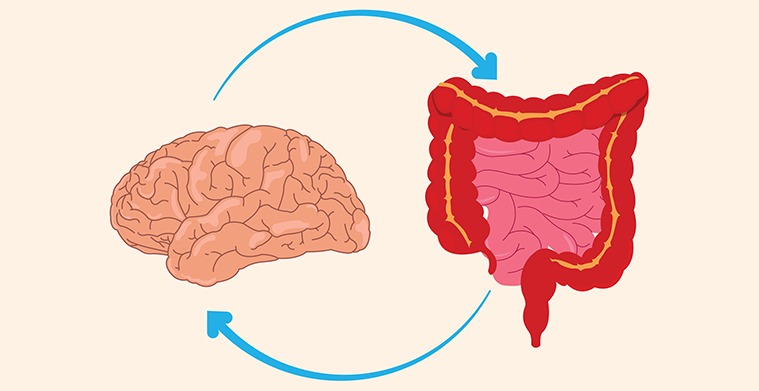
Stress is no longer just a mental health concern—it is a growing physical health issue that directly impacts your digestive system. If you frequently experience bloating, acidity, abdominal pain, constipation, or diarrhea during stressful periods, you are not alone. Research increasingly confirms the powerful connection between stress and gut health, commonly referred to as the gut-brain axis.
At Marina’s Clinic, a leading center for gastroenterology and laparoscopic surgery in Chennai, specialists often treat patients whose digestive disorders are closely linked to chronic stress. Understanding how stress affects your gut and learning how to manage it can significantly improve your overall health and quality of life.
Understanding the Gut-Brain Axis
The gut and brain are constantly communicating through a complex network of nerves, hormones, and biochemical signals known as the gut-brain axis. The vagus nerve plays a central role in this communication, sending signals between the digestive tract and the brain.
When you experience stress, your body activates the “fight or flight” response. Stress hormones like cortisol and adrenaline are released, redirecting energy away from digestion and toward survival mechanisms. While this response is helpful in short-term emergencies, chronic stress can disrupt normal digestive processes and lead to long-term gastrointestinal problems.
How Stress Affects Your Digestive System
Chronic stress can slow down or speed up digestion, causing symptoms such as constipation or diarrhea. It increases stomach acid production, which may lead to acid reflux, heartburn, and gastroesophageal reflux disease (GERD).
Stress also affects gut motility, meaning the movement of food through the digestive tract becomes irregular. This imbalance can cause bloating, abdominal discomfort, and irritable bowel syndrome (IBS). Studies show that IBS symptoms often worsen during periods of anxiety or high emotional pressure.
Another major impact of stress is inflammation. Prolonged stress weakens the immune system and disrupts the gut microbiome—the trillions of beneficial bacteria that support digestion. An unhealthy microbiome may contribute to chronic digestive disorders, increased intestinal permeability, and recurring infections.
Common Gut Problems Linked to Stress
Several digestive conditions are strongly associated with chronic stress. Irritable bowel syndrome is one of the most common functional gastrointestinal disorders influenced by emotional triggers. Acid reflux and GERD often flare up during high-pressure situations. Functional dyspepsia, characterized by upper abdominal discomfort and fullness, is also linked to stress.
In some cases, stress can worsen pre-existing conditions such as inflammatory bowel disease or gastritis. While stress may not directly cause structural diseases, it significantly aggravates symptoms and delays healing.
Signs That Stress Is Affecting Your Gut
Persistent bloating without dietary changes, sudden changes in bowel habits, increased acidity during busy work periods, or stomach cramps before important events may indicate stress-related digestive issues. Many patients report that symptoms improve during vacations or relaxed periods, further confirming the connection.
Ignoring these warning signs can lead to chronic digestive discomfort and complications over time. Early evaluation by a gastro specialist in Chennai can help determine whether stress is contributing to your symptoms.
What You Can Do to Protect Your Gut Health
Managing stress is one of the most effective ways to improve digestive health. Relaxation techniques such as deep breathing, meditation, and yoga help regulate the nervous system and reduce cortisol levels. Even moderate physical activity improves gut motility and supports a healthy microbiome.
Diet also plays a critical role. Consuming fiber-rich foods, probiotics, and adequate hydration supports digestive balance. Reducing caffeine, processed foods, and spicy meals may help minimize acid reflux symptoms triggered by stress.
Quality sleep is another essential factor. Poor sleep increases stress hormones, which in turn disrupt digestion. Establishing a consistent sleep schedule can significantly reduce both anxiety and gastrointestinal symptoms.
In some cases, medical intervention may be necessary. Persistent acid reflux, severe abdominal pain, rectal bleeding, or unexplained weight loss should never be ignored. At Marina’s Clinic, comprehensive evaluation, including diagnostic tests and minimally invasive treatments, ensures that underlying conditions are identified and treated effectively.
When to See a Gastroenterologist
Occasional digestive discomfort during stressful times is common. However, symptoms that persist for more than two weeks, worsen over time, or interfere with daily life require medical attention.
A gastroenterologist can assess whether symptoms are functional (stress-related) or structural (such as ulcers, gallstones, or hernias). Advanced diagnostic techniques and personalized treatment plans ensure both symptom relief and long-term digestive health.
Frequently Asked Questions (FAQ)
How does stress affect the digestive system?
Stress activates the fight-or-flight response, releasing hormones like cortisol that disrupt digestion, increase stomach acid, alter gut motility, and trigger inflammation. This can cause symptoms such as acidity, bloating, diarrhea, or constipation.
Can stress cause acid reflux or GERD?
Yes. Stress increases stomach acid production and weakens digestive regulation, which can worsen acid reflux and GERD symptoms.
Is there a link between anxiety and IBS?
Yes. Anxiety and IBS are closely connected through the gut-brain axis. Emotional stress can trigger or worsen IBS symptoms such as abdominal pain and irregular bowel movements.
How can I improve gut health during stressful times?
Managing stress through relaxation techniques, regular exercise, a balanced diet, adequate hydration, and proper sleep significantly improves digestive health. Medical consultation is recommended if symptoms persist.
When should I see a gastro specialist in Chennai?
You should consult a gastroenterologist if digestive symptoms last more than two weeks, become severe, or include warning signs such as bleeding, unexplained weight loss, or persistent vomiting.
Conclusion
The connection between stress and gut health is powerful and scientifically proven. Chronic stress does not just affect your mental well-being—it directly disrupts your digestive system, leading to acidity, IBS, bloating, and other gastrointestinal disorders. Recognizing the symptoms early and taking proactive steps can prevent long-term complications.
If you are experiencing persistent digestive discomfort and suspect stress may be the cause, seeking expert care at Marina’s Clinic in Chennai can provide clarity, relief, and personalized treatment. Addressing both emotional and digestive health is the key to long-term wellness and a healthier, balanced life.