Thyroid disorders are among the most common yet misunderstood health conditions affecting people today. In Chennai and across India, thyroid problems are increasingly diagnosed due to lifestyle changes, stress, dietary habits, and improved health awareness. The thyroid gland plays a vital role in regulating metabolism, energy levels, heart function, and overall hormonal balance. When it does not function properly, it can impact multiple systems in the body.
Understanding thyroid disorders—how they develop, their symptoms, and available treatment options—is essential for early diagnosis and effective management. This blog explains thyroid disorders in a clear, patient-friendly way, helping Chennai residents recognize symptoms early and seek the right medical care.
What Is the Thyroid Gland and Why Is It Important?
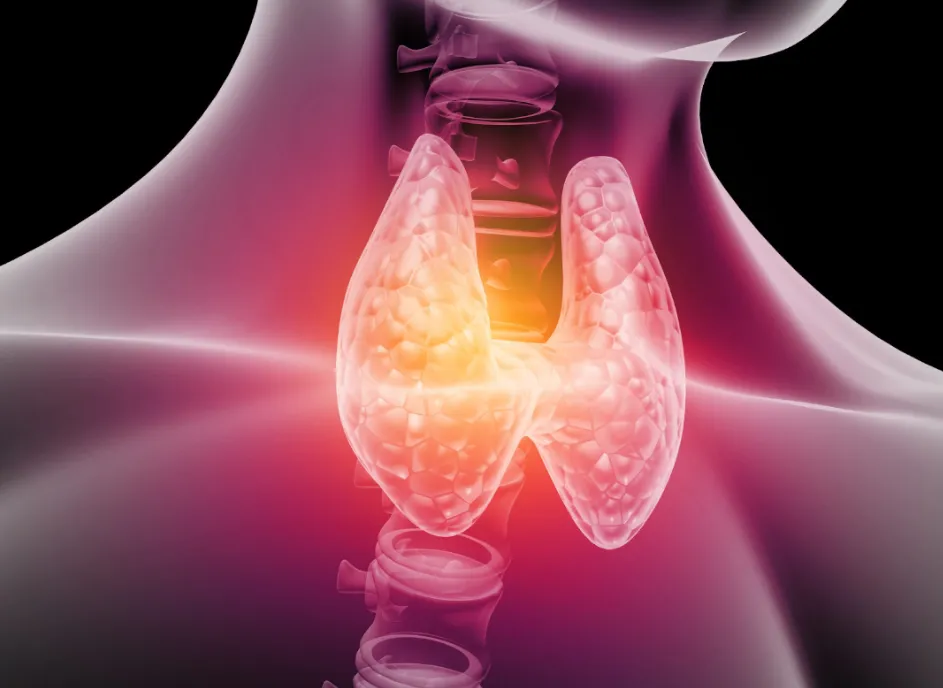
The thyroid is a small, butterfly-shaped gland located at the front of the neck, just below the Adam’s apple. Despite its size, it plays a major role in controlling how the body uses energy. The thyroid produces hormones—primarily T3 (triiodothyronine) and T4 (thyroxine)—that regulate metabolism, body temperature, heart rate, digestion, and brain development.
When the thyroid produces too much or too little hormone, it disrupts the body’s natural balance, leading to a range of physical and emotional symptoms. These imbalances are collectively known as thyroid disorders.
Common Types of Thyroid Disorders
Thyroid disorders are broadly classified based on whether the gland is overactive or underactive, though structural problems can also occur.
Hypothyroidism occurs when the thyroid gland produces insufficient hormones. This is one of the most common thyroid conditions in India, especially among women. Hyperthyroidism, on the other hand, happens when the gland produces excessive thyroid hormones, accelerating bodily functions. Other thyroid conditions include thyroid nodules, goitre (thyroid enlargement), thyroiditis (inflammation), and thyroid cancer, which is less common but treatable when detected early.
Symptoms of Thyroid Disorders You Should Not Ignore
Thyroid symptoms often develop gradually and can be mistaken for stress or lifestyle-related issues. This makes early diagnosis challenging.
In hypothyroidism, common symptoms include unexplained weight gain, persistent fatigue, cold intolerance, dry skin, hair thinning, constipation, depression, and slow heart rate. Many patients in Chennai report feeling unusually tired despite adequate rest.
Hyperthyroidism presents with symptoms such as sudden weight loss, increased appetite, heat intolerance, excessive sweating, anxiety, tremors, irregular heartbeat, and sleep disturbances. Women may experience menstrual irregularities, while men may notice muscle weakness.
Thyroid nodules may not cause symptoms initially, but larger nodules can cause neck swelling, difficulty swallowing, or voice changes.
Causes of Thyroid Disorders in Chennai’s Population
Several factors contribute to the rising incidence of thyroid disorders in Chennai. Iodine imbalance, autoimmune conditions like Hashimoto’s thyroiditis and Graves’ disease, genetic predisposition, chronic stress, and hormonal changes are common causes.
Environmental factors, dietary habits, and sedentary lifestyles also play a role. In women, pregnancy and postpartum hormonal changes can trigger thyroid dysfunction. Certain medications and previous radiation exposure to the neck area may also affect thyroid health.
How Thyroid Disorders Are Diagnosed
Accurate diagnosis is essential for effective thyroid treatment. Doctors typically begin with a physical examination of the neck and a detailed review of symptoms.
Blood tests are the most common diagnostic tools. These tests measure thyroid-stimulating hormone (TSH), T3, and T4 levels to determine how well the thyroid is functioning. In some cases, antibody tests are done to identify autoimmune thyroid disorders.
Imaging tests such as ultrasound scans are used to examine thyroid nodules or swelling. If nodules appear suspicious, a fine needle aspiration biopsy may be recommended to rule out malignancy.
Treatment Options for Thyroid Disorders in Chennai
Thyroid treatment depends on the type, severity, and cause of the disorder, as well as the patient’s age and overall health.
Hypothyroidism is usually managed with daily thyroid hormone replacement medication. This treatment helps restore normal hormone levels and relieve symptoms over time. Regular monitoring is essential to ensure correct dosage.
Hyperthyroidism treatment may involve medications to reduce hormone production, radioactive iodine therapy, or surgery in severe cases. The goal is to control hormone levels and prevent complications.
Thyroid nodules that are benign may only require observation, while problematic nodules or suspected cancer may need surgical removal. Thyroid surgery is considered safe and effective when performed by experienced specialists.
Role of Lifestyle and Diet in Thyroid Management
Alongside medical treatment, lifestyle changes play an important role in managing thyroid disorders. Maintaining a balanced diet, managing stress, and staying physically active can improve treatment outcomes.
For hypothyroidism, adequate iodine intake, selenium-rich foods, and a nutrient-dense diet support thyroid function. For hyperthyroidism, avoiding excess iodine and caffeine can help manage symptoms. Doctors in Chennai often recommend personalized dietary guidance based on individual needs.
Regular sleep, stress management techniques such as yoga or meditation, and routine follow-ups are also essential components of long-term thyroid care.
When to See a Thyroid Specialist in Chennai
You should consult a thyroid specialist if you experience persistent symptoms such as unexplained weight changes, prolonged fatigue, hair loss, neck swelling, or irregular heartbeats. Early evaluation can prevent complications and improve quality of life.
Women planning pregnancy or experiencing fertility issues should also get their thyroid levels checked, as thyroid health directly impacts reproductive health.
Chennai offers access to experienced endocrinologists and general surgeons who specialize in thyroid diagnosis and treatment, including minimally invasive surgical options when needed.
Importance of Early Detection and Regular Monitoring
Thyroid disorders are highly manageable when diagnosed early. Delayed treatment can lead to complications such as heart disease, infertility, nerve damage, and metabolic issues.
Regular health check-ups, especially for individuals with a family history of thyroid disease, help in early detection. Once diagnosed, consistent monitoring ensures that treatment remains effective and symptoms stay under control.
Final Thoughts on Thyroid Care in Chennai
Thyroid disorders may be common, but they should never be ignored. With proper awareness, early diagnosis, and expert medical care, individuals can lead healthy, active lives despite thyroid conditions.
If you are experiencing symptoms or have concerns about thyroid health, consulting a qualified medical professional in Chennai is the first step toward effective treatment. Understanding your condition empowers you to take control of your health and make informed decisions for long-term well-being.