How to Choose the Right Surgeon for Bariatric Surgery

Choosing to undergo bariatric (weight loss) surgery is a life-changing decision. But equally important is choosing the right surgeon to perform the procedure. The success of your surgery, your safety, and your long-term results depend heavily on the expertise, experience, and approach of your bariatric specialist. If you’re considering weight loss surgery, this comprehensive guide will help you make a confident and informed decision. Why Choosing the Right Bariatric Surgeon Matters Bariatric surgery is not just about losing weight. It impacts: Metabolism Hormonal balance Diabetes control Heart health Long-term lifestyle habits An experienced surgeon does more than perform an operation they guide you through a lifelong health transformation. 1 Verify Proper Qualifications & Certification Your surgeon should be: Board-certified in general surgery Specially trained in bariatric procedures Experienced in minimally invasive (laparoscopic) techniques Look for credentials from recognized medical institutions and professional surgical associations. Proper certification ensures: Updated surgical knowledge Adherence to safety protocols Ethical medical practice 2 Evaluate Experience in Bariatric Procedures Not all surgeons perform bariatric surgery regularly. Ask: How many bariatric surgeries have you performed? How many gastric sleeve or gastric bypass procedures do you do annually? What is your complication rate? Surgeons who perform these procedures frequently typically have better outcomes and fewer complications. 3 Check the Types of Procedures Offered A good bariatric surgeon should offer multiple options and explain which one suits you best. Common procedures include: Gastric Sleeve Surgery Gastric Bypass Surgery Mini Gastric Bypass If a surgeon recommends only one procedure for every patient, that’s a red flag. Your treatment should be personalized. 4 Review Hospital & Facility Standards Even the best surgeon needs a safe surgical environment. Make sure the hospital: Is accredited Has advanced ICU facilities Has experienced anesthesiologists Follows strict infection-control protocols High-quality facilities reduce surgical risks significantly. 5 Assess Pre-Operative & Post-Operative Support Bariatric surgery is not a one-day event. You need: Pre-surgery medical evaluation Nutrition counseling Psychological assessment Long-term diet planning Regular follow-up visits Choose a surgeon or clinic that offers comprehensive care, not just surgery. 6 Look at Patient Reviews & Success Stories Patient testimonials provide valuable insight into: Surgeon communication style Bedside manner Post-surgery care Overall satisfaction Look for consistent positive feedback about: Transparency Support Safety Long-term results 7 Evaluate Communication & Comfort Level During consultation, ask yourself: Does the surgeon listen carefully? Do they answer questions clearly? Do they explain risks honestly? Do they discuss realistic expectations? You should feel comfortable, respected, and well-informed — not rushed or pressured. Trust and communication are critical. 8 Understand Risks & Transparency Every surgery has risks. A trustworthy surgeon will openly discuss: Possible complications Recovery timeline Dietary restrictions Lifestyle adjustments If someone promises “guaranteed results” without explaining risks, reconsider. 9 Compare Cost vs Quality While cost matters, choosing a surgeon solely based on low pricing can be risky. Factors affecting cost: Surgeon experience Hospital infrastructure Type of procedure Post-operative care Follow-up support Remember: Bariatric surgery is an investment in your long-term health. Look for a Multidisciplinary Team The best bariatric programs include: Surgeon Nutritionist Psychologist Fitness expert Medical physician Comprehensive care significantly improves long-term weight loss success. Questions to Ask During Consultation Here are important questions you should ask: Am I a good candidate for bariatric surgery? Which procedure do you recommend and why? What are the risks in my case? How long is the recovery? What lifestyle changes are required? How often will I need follow-ups? Take notes and compare responses if you consult multiple surgeons.
Expert Tips for Eating Well After Weight Loss Surgery

Weight loss surgery, also known as bariatric surgery, can be a life-changing step for many individuals who are battling obesity. While the surgery itself is a significant milestone, the journey to a healthier you doesn’t end there. Post-surgery, your eating habits will require thoughtful changes to ensure optimal results and long-term success. Adopting the right dietary habits can help you heal faster, maintain your weight loss, and lead a healthier life. Dr. Preethi Mrinalini, a highly regarded surgeon at Marinas Clinic, shares expert tips on how to eat well after weight loss surgery. Understand Your New Stomach Weight loss surgeries, such as gastric bypass or sleeve gastrectomy, significantly reduce the size of your stomach. This means your stomach can hold far less food than it used to, and overeating can lead to discomfort, nausea, and even complications. Immediately after surgery, your diet will transition from liquids to soft foods and eventually solid foods. Understanding this gradual progression is key. Early on, stick to liquids and purees as instructed by your healthcare provider, and slowly work your way to more solid foods over several weeks. Small Portions are Key After weight loss surgery, you will need to adjust to eating smaller portions. It’s important to eat mindfully and listen to your body’s hunger cues. Meals that were once normal-sized may now seem far too large, and that’s completely fine. Eating smaller, more frequent meals throughout the day will help you stay satisfied and energized without overwhelming your stomach. Aim for 4-6 small meals daily, and remember to stop eating as soon as you feel full to avoid any strain on your digestive system. Protein Should Be Your Priority Protein is the most important nutrient after weight loss surgery. It helps with tissue healing, maintaining muscle mass, and keeping you feeling full for longer. Since your stomach’s capacity is limited, prioritize protein at every meal. Include lean protein sources like chicken, turkey, fish, eggs, and tofu. If you have trouble getting enough protein from whole foods, consider protein supplements as recommended by your healthcare team. Stay Hydrated, but Time It Right Staying hydrated is crucial, especially after weight loss surgery, as dehydration can become a common issue. However, you should avoid drinking fluids during meals. Drinking while eating can fill your small stomach too quickly and leave little room for food, which can lead to discomfort or malnutrition. Instead, drink fluids between meals—at least 30 minutes before or after eating. Aim for at least 64 ounces of water per day, but remember to sip slowly to avoid overwhelming your stomach. Chew Slowly and Thoroughly After surgery, food needs to be broken down thoroughly before it reaches your stomach. Chewing slowly and completely helps prevent blockages, nausea, and discomfort. Take smaller bites and chew each bite at least 20-30 times before swallowing. Eating slowly also helps you recognize when you’re full, which can prevent overeating and ensure proper digestion. Avoid Sugary and Fatty Foods Sugary and fatty foods can cause digestive issues after weight loss surgery, particularly a condition known as dumping syndrome. This occurs when food moves too quickly from your stomach to your small intestine, causing symptoms like nausea, vomiting, and diarrhea. Avoid sweets, sugary drinks, fried foods, and high-fat snacks. Instead, choose nutrient-dense options that provide the vitamins and minerals your body needs to stay healthy and energized. Incorporate Vitamins and Supplements Since weight loss surgery can limit your body’s ability to absorb certain nutrients, it’s essential to take vitamins and supplements as recommended by your doctor. Common deficiencies after surgery include vitamin B12, iron, calcium, and vitamin D. Taking a daily multivitamin and any additional supplements prescribed by your healthcare provider will help prevent deficiencies and ensure that you’re getting the nutrients your body needs to thrive. Maintain a Food Journal Keeping track of what you eat can help you stay on top of your nutritional goals and monitor any patterns or issues that arise. A food journal can also help you communicate more effectively with your healthcare team if you experience any digestive issues or weight plateaus. Documenting your meals, portion sizes, and how you feel after eating can give you valuable insights into your eating habits and ensure you’re on the right track. Follow-Up Care is Essential Regular follow-up appointments with your healthcare team are vital for tracking your progress and addressing any concerns. Your surgeon and nutritionist will help monitor your weight loss, nutritional intake, and overall health. Make sure to attend all scheduled appointments and discuss any challenges you may be facing with your diet or lifestyle. They can offer valuable advice and adjustments to keep you moving toward your goals. Conclusion Eating well after weight loss surgery is a long-term commitment that requires thoughtful planning and dedication. By following these expert tips, you can maintain your weight loss, support your health, and enjoy a better quality of life. Dr. Preethi Mrinalini, one of the best female surgeons in Chennai, emphasizes that understanding your body’s new needs and making informed food choices is key to lasting success. With the right approach, you can enjoy a healthy, balanced diet and thrive after your surgery.
Signs You May Have Vitamin Deficiency and How to Treat It

Vitamins play a crucial role in maintaining overall health, supporting immunity, boosting energy levels, and preventing chronic diseases. However, vitamin deficiency is becoming increasingly common due to poor diet, stress, lifestyle habits, and underlying medical conditions. At Marinas Clinic, we regularly see patients experiencing symptoms they do not initially associate with nutritional deficiencies. Understanding the early warning signs can help you seek timely medical care and prevent long-term health complications. As a trusted healthcare institution focused on preventive healthcare and patient education, Marinas Clinic emphasizes early diagnosis, laboratory testing, and personalized treatment plans. If you are searching for “vitamin deficiency symptoms,” “vitamin deficiency test near me,” or “best clinic for vitamin deficiency treatment,” this comprehensive guide will help you understand the causes, symptoms, and medical solutions available. What Is Vitamin Deficiency and Why Is It Common? Vitamin deficiency occurs when your body does not receive or absorb enough essential vitamins required for normal physiological functions. Common deficiencies include Vitamin D deficiency, Vitamin B12 deficiency, iron deficiency anemia, Vitamin C deficiency, and folate deficiency. Modern diets high in processed foods, limited sun exposure, digestive disorders, pregnancy, aging, and certain medications contribute significantly to nutrient deficiencies. Many patients ignore early symptoms such as fatigue or hair loss, assuming they are temporary. However, untreated vitamin deficiencies can lead to serious health concerns including anemia, weakened immunity, nerve damage, bone disorders, and cardiovascular issues. At Marinas Clinic, preventive health checkups and routine blood tests help detect nutritional imbalances before they escalate into major conditions. Common Signs You May Have a Vitamin Deficiency Persistent fatigue and low energy levels are among the most searched symptoms online. If you constantly feel tired despite adequate sleep, it may indicate Vitamin B12 deficiency, iron deficiency, or Vitamin D deficiency. These nutrients are essential for red blood cell production and oxygen circulation in the body. Frequent infections and weak immunity are also warning signs. Vitamin C, Vitamin D, and zinc play key roles in strengthening the immune system. If you experience repeated colds, slow wound healing, or prolonged recovery from illnesses, it may signal an underlying deficiency. Hair thinning, brittle nails, and dry skin often indicate deficiencies in biotin, iron, Vitamin A, or Vitamin E. Patients searching for “hair loss due to vitamin deficiency” are often surprised to learn that nutritional imbalance is a major contributing factor. Bone pain, muscle weakness, and joint discomfort commonly relate to Vitamin D deficiency. Lack of sun exposure and limited intake of fortified foods increase the risk. Severe deficiency may contribute to osteoporosis and increased fracture risk. Tingling sensations in hands and feet, memory issues, and mood changes may suggest Vitamin B12 deficiency. This is especially common in older adults, vegetarians, and individuals with digestive disorders affecting absorption. Bleeding gums, mouth ulcers, and easy bruising can be linked to Vitamin C deficiency. While rare in severe form, mild deficiencies can still impact oral health and overall immunity. If you notice any of these symptoms, seeking professional medical consultation is crucial. Searching “vitamin deficiency clinic near me” can help you find expert evaluation and treatment services. How Is Vitamin Deficiency Diagnosed? Accurate diagnosis requires professional medical assessment and laboratory testing. At Marinas Clinic, we conduct comprehensive blood tests to measure levels of Vitamin D, Vitamin B12, iron, folate, and other essential nutrients. These tests provide precise data to determine the severity of deficiency. A detailed medical history review helps identify dietary habits, lifestyle factors, medications, and underlying health conditions contributing to nutrient imbalance. Early detection through preventive screening reduces long-term complications and supports effective treatment planning. Many patients delay testing, assuming supplements alone will solve the issue. However, self-medication without proper diagnosis can mask symptoms while underlying problems persist. Professional evaluation ensures safe and targeted treatment. How to Treat Vitamin Deficiency Safely and Effectively Treatment depends on the type and severity of deficiency. Mild deficiencies can often be corrected with dietary modifications and oral supplements. For example, increasing intake of leafy greens, citrus fruits, dairy products, lean meats, and fortified cereals can improve nutrient levels naturally. Vitamin D deficiency treatment may include controlled sun exposure, dietary adjustments, and prescribed supplements. In severe cases, high-dose Vitamin D therapy may be recommended under medical supervision. Vitamin B12 deficiency may require oral supplements or intramuscular injections, especially if absorption issues are present. Iron deficiency anemia treatment involves iron supplementation combined with dietary changes and monitoring. For patients with absorption disorders or chronic conditions, personalized treatment plans are essential. At Marinas Clinic, individualized care ensures that patients receive appropriate dosages, follow-up testing, and long-term nutritional guidance. Preventing Vitamin Deficiency Through Lifestyle Changes Prevention remains the best strategy. A balanced diet rich in fruits, vegetables, whole grains, lean proteins, and healthy fats supports optimal nutrient intake. Regular health screenings help detect deficiencies before symptoms appear. Spending moderate time in sunlight helps maintain healthy Vitamin D levels. Staying hydrated, managing stress, exercising regularly, and limiting processed foods contribute to overall wellness. Educational awareness plays a key role. As a healthcare institution, Marinas Clinic emphasizes preventive healthcare programs, annual health checkups, and nutritional counseling to reduce the risk of vitamin deficiencies within the community. When Should You See a Doctor for Vitamin Deficiency? If symptoms such as chronic fatigue, dizziness, numbness, hair loss, or frequent illness persist, it is important to consult a healthcare professional. Early medical evaluation ensures accurate diagnosis and prevents long-term damage. Searching for “best doctor for vitamin deficiency near me” or “vitamin deficiency treatment clinic” often leads patients to specialized healthcare providers who offer comprehensive assessment and personalized treatment. Marinas Clinic provides expert medical consultations, diagnostic testing, and evidence-based treatment protocols designed to restore optimal health safely and efficiently. Frequently Asked Questions (FAQ) What are the most common vitamin deficiencies? The most common vitamin deficiencies include Vitamin D deficiency, Vitamin B12 deficiency, iron deficiency anemia, and folate deficiency. These are often caused by poor diet, limited sun exposure, or absorption issues. How do I know if I have a vitamin deficiency? Common symptoms include fatigue, hair
The Role of Nutrition in Mental Health: What to Know
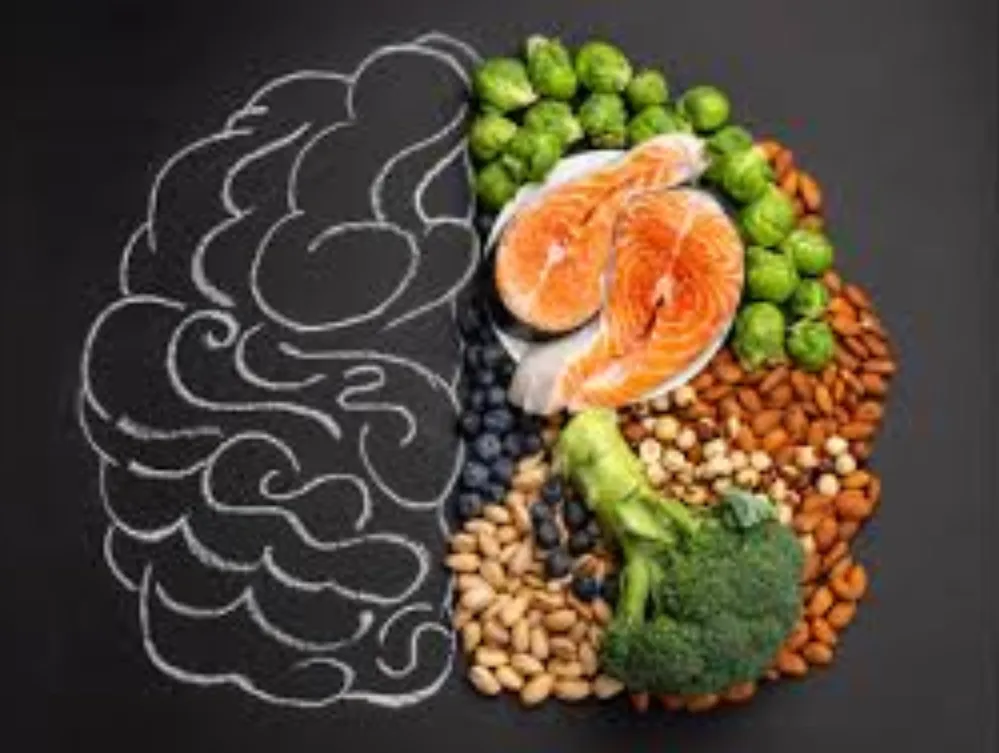
Mental health has long been seen as a complex condition affected by various factors, including genetics, environment, and life experiences. However, one factor that is often overlooked in the conversation is nutrition. What we eat can have a significant impact on our mental well-being. The connection between diet and mental health is not a new concept, but it is gaining more attention as research continues to uncover the profound ways in which nutrition affects brain function, emotional regulation, and overall mental health. In this blog, we will explore the vital role nutrition plays in mental health and how certain foods and nutrients can either support or hinder mental well-being. Dr. Preethi Mrinalini, a leading surgeon at Marinas Clinic, often emphasizes the importance of holistic health practices, including proper nutrition, to maintain not only physical health but also mental balance. The Link Between Diet and Mental Health Your brain is one of the most energy-demanding organs in your body, and just like any other part of your body, it needs the right fuel to function properly. The food you consume directly impacts the brain’s ability to function, process emotions, and regulate stress levels. A nutrient-dense diet can improve brain health, while poor dietary choices can contribute to mood swings, anxiety, and even more severe conditions like depression and cognitive decline. Studies have shown that a diet rich in vitamins, minerals, antioxidants, and healthy fats supports the production of neurotransmitters like serotonin, which regulate mood and emotional responses. Nutrient deficiencies, on the other hand, can lead to a range of mental health issues, such as anxiety, depression, and poor cognitive function. Essential Nutrients for Mental Health Omega-3 Fatty Acids Omega-3 fatty acids, found in foods like fatty fish, flaxseeds, and walnuts, are crucial for brain health. They have been shown to reduce inflammation in the brain and are linked to a decrease in symptoms of depression and anxiety. Omega-3s are integral to the structure of brain cells and help improve cognitive function and mood regulation. B Vitamins B vitamins, particularly B6, B12, and folate, play a crucial role in the production of neurotransmitters that regulate mood, such as serotonin and dopamine. Deficiencies in these vitamins can lead to symptoms of depression, anxiety, and fatigue. Foods rich in B vitamins include leafy greens, eggs, dairy products, and fortified cereals. Vitamin D Vitamin D is known for its role in bone health, but it also plays a critical role in mental health. A deficiency in vitamin D has been linked to conditions like depression, seasonal affective disorder (SAD), and cognitive decline. Sunlight exposure and foods like fatty fish, fortified dairy products, and egg yolks can help boost vitamin D levels. Magnesium Magnesium is often referred to as the “relaxation mineral” because of its calming effects on the nervous system. Low levels of magnesium have been linked to increased anxiety, irritability, and even symptoms of depression. To increase magnesium intake, try consuming more nuts, seeds, leafy greens, and whole grains. Antioxidants Antioxidants, found in fruits and vegetables, play a key role in reducing oxidative stress and inflammation in the brain, which are often elevated in individuals with mental health issues. Berries, dark chocolate, and green leafy vegetables are rich in antioxidants and can support brain health, reduce stress, and improve mood. The Impact of Diet on Common Mental Health Conditions Depression Research has shown that poor diet quality, characterized by high intake of processed foods, sugars, and unhealthy fats, is linked to an increased risk of depression. On the other hand, a diet rich in whole foods, including fruits, vegetables, lean proteins, and whole grains, has been associated with a lower risk of depression. By supporting the brain’s function through nutrition, individuals may experience improved mood and overall mental well-being. Anxiety Anxiety is another condition that can be influenced by nutrition. Diets high in sugar and refined carbohydrates can cause blood sugar spikes and crashes, leading to feelings of irritability, anxiety, and stress. On the other hand, foods that stabilize blood sugar, such as whole grains, nuts, and lean proteins, can help prevent mood swings and reduce anxiety levels. Cognitive Decline As we age, maintaining brain health becomes increasingly important. Studies suggest that diets rich in omega-3 fatty acids, antioxidants, and vitamins can reduce the risk of cognitive decline and conditions like Alzheimer’s disease. A Mediterranean-style diet, which emphasizes healthy fats, lean proteins, and a variety of fruits and vegetables, has been associated with better cognitive function in older adults. Holistic Approach to Mental Health While nutrition plays a significant role in mental health, it is essential to view it as part of a holistic approach to well-being. Physical exercise, adequate sleep, stress management, and strong social connections also play a vital role in maintaining good mental health. Dr. Preethi Mrinalini, a renowned surgeon at Marinas Clinic, believes in a balanced lifestyle to support both physical and mental health. A healthy diet is just one aspect of this equation, and integrating other healthy habits can greatly improve mental health outcomes. Conclusion Incorporating nutrient-rich foods into your diet is an essential step in maintaining mental health and well-being. Proper nutrition can enhance brain function, stabilize mood, and protect against mental health conditions like depression, anxiety, and cognitive decline. If you’re seeking guidance on maintaining a balanced diet to support mental health, consider consulting with a professional like Dr. Preethi Mrinalini, one of the best female surgeons in Chennai at Marinas Clinic. Remember, mental health is just as important as physical health, and fueling your body with the right nutrients can pave the way for a healthier, happier mind.
Thyroid Disorders Explained: From Symptoms to Treatment Options in Chennai
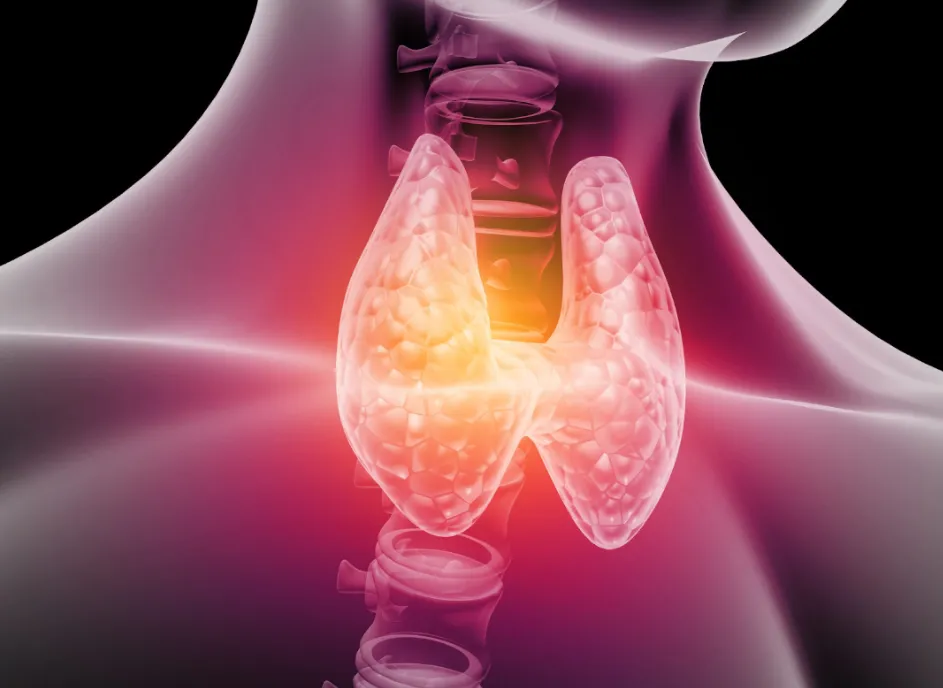
Thyroid disorders are among the most common yet misunderstood health conditions affecting people today. In Chennai and across India, thyroid problems are increasingly diagnosed due to lifestyle changes, stress, dietary habits, and improved health awareness. The thyroid gland plays a vital role in regulating metabolism, energy levels, heart function, and overall hormonal balance. When it does not function properly, it can impact multiple systems in the body. Understanding thyroid disorders—how they develop, their symptoms, and available treatment options—is essential for early diagnosis and effective management. This blog explains thyroid disorders in a clear, patient-friendly way, helping Chennai residents recognize symptoms early and seek the right medical care. What Is the Thyroid Gland and Why Is It Important? The thyroid is a small, butterfly-shaped gland located at the front of the neck, just below the Adam’s apple. Despite its size, it plays a major role in controlling how the body uses energy. The thyroid produces hormones—primarily T3 (triiodothyronine) and T4 (thyroxine)—that regulate metabolism, body temperature, heart rate, digestion, and brain development. When the thyroid produces too much or too little hormone, it disrupts the body’s natural balance, leading to a range of physical and emotional symptoms. These imbalances are collectively known as thyroid disorders. Common Types of Thyroid Disorders Thyroid disorders are broadly classified based on whether the gland is overactive or underactive, though structural problems can also occur. Hypothyroidism occurs when the thyroid gland produces insufficient hormones. This is one of the most common thyroid conditions in India, especially among women. Hyperthyroidism, on the other hand, happens when the gland produces excessive thyroid hormones, accelerating bodily functions. Other thyroid conditions include thyroid nodules, goitre (thyroid enlargement), thyroiditis (inflammation), and thyroid cancer, which is less common but treatable when detected early. Symptoms of Thyroid Disorders You Should Not Ignore Thyroid symptoms often develop gradually and can be mistaken for stress or lifestyle-related issues. This makes early diagnosis challenging. In hypothyroidism, common symptoms include unexplained weight gain, persistent fatigue, cold intolerance, dry skin, hair thinning, constipation, depression, and slow heart rate. Many patients in Chennai report feeling unusually tired despite adequate rest. Hyperthyroidism presents with symptoms such as sudden weight loss, increased appetite, heat intolerance, excessive sweating, anxiety, tremors, irregular heartbeat, and sleep disturbances. Women may experience menstrual irregularities, while men may notice muscle weakness. Thyroid nodules may not cause symptoms initially, but larger nodules can cause neck swelling, difficulty swallowing, or voice changes. Causes of Thyroid Disorders in Chennai’s Population Several factors contribute to the rising incidence of thyroid disorders in Chennai. Iodine imbalance, autoimmune conditions like Hashimoto’s thyroiditis and Graves’ disease, genetic predisposition, chronic stress, and hormonal changes are common causes. Environmental factors, dietary habits, and sedentary lifestyles also play a role. In women, pregnancy and postpartum hormonal changes can trigger thyroid dysfunction. Certain medications and previous radiation exposure to the neck area may also affect thyroid health. How Thyroid Disorders Are Diagnosed Accurate diagnosis is essential for effective thyroid treatment. Doctors typically begin with a physical examination of the neck and a detailed review of symptoms. Blood tests are the most common diagnostic tools. These tests measure thyroid-stimulating hormone (TSH), T3, and T4 levels to determine how well the thyroid is functioning. In some cases, antibody tests are done to identify autoimmune thyroid disorders. Imaging tests such as ultrasound scans are used to examine thyroid nodules or swelling. If nodules appear suspicious, a fine needle aspiration biopsy may be recommended to rule out malignancy. Treatment Options for Thyroid Disorders in Chennai Thyroid treatment depends on the type, severity, and cause of the disorder, as well as the patient’s age and overall health. Hypothyroidism is usually managed with daily thyroid hormone replacement medication. This treatment helps restore normal hormone levels and relieve symptoms over time. Regular monitoring is essential to ensure correct dosage. Hyperthyroidism treatment may involve medications to reduce hormone production, radioactive iodine therapy, or surgery in severe cases. The goal is to control hormone levels and prevent complications. Thyroid nodules that are benign may only require observation, while problematic nodules or suspected cancer may need surgical removal. Thyroid surgery is considered safe and effective when performed by experienced specialists. Role of Lifestyle and Diet in Thyroid Management Alongside medical treatment, lifestyle changes play an important role in managing thyroid disorders. Maintaining a balanced diet, managing stress, and staying physically active can improve treatment outcomes. For hypothyroidism, adequate iodine intake, selenium-rich foods, and a nutrient-dense diet support thyroid function. For hyperthyroidism, avoiding excess iodine and caffeine can help manage symptoms. Doctors in Chennai often recommend personalized dietary guidance based on individual needs. Regular sleep, stress management techniques such as yoga or meditation, and routine follow-ups are also essential components of long-term thyroid care. When to See a Thyroid Specialist in Chennai You should consult a thyroid specialist if you experience persistent symptoms such as unexplained weight changes, prolonged fatigue, hair loss, neck swelling, or irregular heartbeats. Early evaluation can prevent complications and improve quality of life. Women planning pregnancy or experiencing fertility issues should also get their thyroid levels checked, as thyroid health directly impacts reproductive health. Chennai offers access to experienced endocrinologists and general surgeons who specialize in thyroid diagnosis and treatment, including minimally invasive surgical options when needed. Importance of Early Detection and Regular Monitoring Thyroid disorders are highly manageable when diagnosed early. Delayed treatment can lead to complications such as heart disease, infertility, nerve damage, and metabolic issues. Regular health check-ups, especially for individuals with a family history of thyroid disease, help in early detection. Once diagnosed, consistent monitoring ensures that treatment remains effective and symptoms stay under control. Final Thoughts on Thyroid Care in Chennai Thyroid disorders may be common, but they should never be ignored. With proper awareness, early diagnosis, and expert medical care, individuals can lead healthy, active lives despite thyroid conditions. If you are experiencing symptoms or have concerns about thyroid health, consulting a qualified medical professional in Chennai is the first step toward effective treatment. Understanding your condition empowers
Why Minimally Invasive Surgeries Are Becoming the Top Choice in Chennai
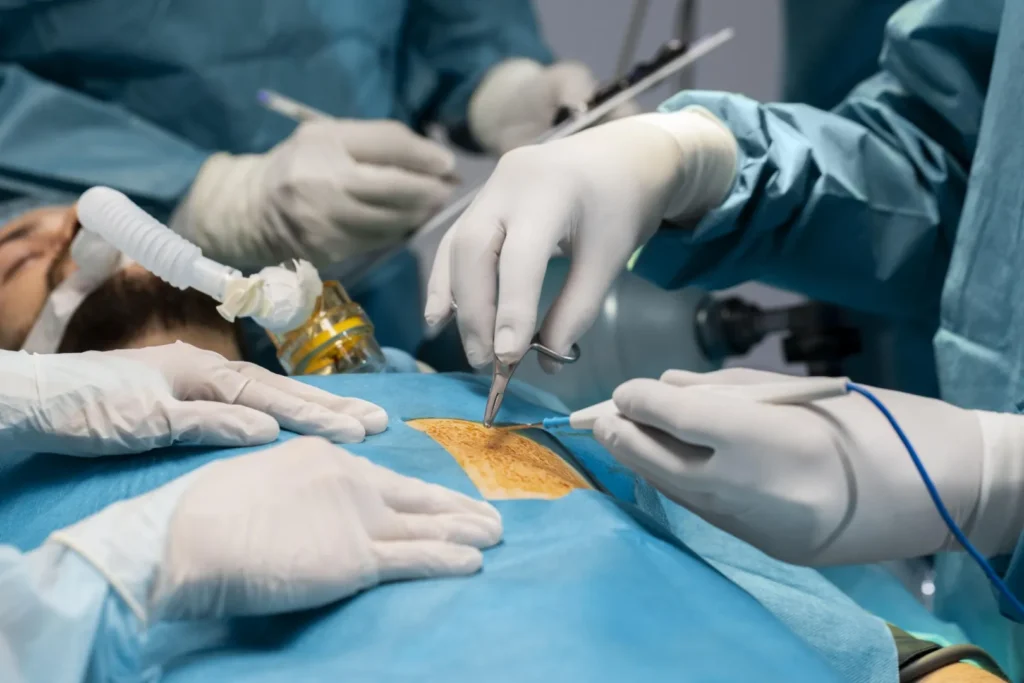
Healthcare in Chennai has rapidly evolved over the past decade, with patients increasingly seeking advanced treatment options that offer faster recovery, less pain, and better outcomes. One of the most significant advancements driving this change is minimally invasive surgery. From laparoscopic procedures to advanced surgical techniques, minimally invasive surgeries are now becoming the preferred choice for patients and doctors across Chennai. This growing preference is not accidental. It is driven by medical innovation, patient awareness, and the city’s strong reputation as a healthcare hub. In this blog, we explore why minimally invasive surgeries are becoming the top choice in Chennai and how they are transforming modern surgical care. Understanding Minimally Invasive Surgery Minimally invasive surgery refers to procedures performed using small incisions instead of large cuts. These surgeries often involve advanced tools such as laparoscopes, tiny cameras, and precision instruments that allow surgeons to operate with greater accuracy. Unlike traditional open surgeries, minimally invasive techniques minimize tissue damage. This results in reduced pain, quicker recovery, and fewer complications. In Chennai, these benefits have made minimally invasive surgery a popular option across various specialties, including general surgery, gastroenterology, bariatrics, and gynecology. Rising Awareness Among Chennai Patients One of the key reasons minimally invasive surgeries are gaining popularity in Chennai is increased patient awareness. Today’s patients are more informed and actively research treatment options before making decisions. Access to digital health information, online consultations, and educational content has empowered people to choose safer and more efficient surgical methods. Chennai’s urban population, in particular, values quick recovery and minimal disruption to daily life. Minimally invasive procedures align perfectly with these expectations, making them a natural choice for working professionals and families alike. Faster Recovery and Shorter Hospital Stays Speedy recovery is one of the most significant advantages of minimally invasive surgery. Traditional open surgeries often require longer hospital stays and extended rest periods. In contrast, minimally invasive procedures typically allow patients to recover faster and return to normal activities sooner. In a fast-paced city like Chennai, where time and productivity matter, shorter hospital stays are a major benefit. Many patients can resume work and daily routines within days rather than weeks, making minimally invasive surgery an attractive option. Reduced Pain and Minimal Scarring Pain management is a major concern for surgical patients. Minimally invasive surgeries cause significantly less post-operative pain because they involve smaller incisions and reduced trauma to surrounding tissues. This often leads to lower dependency on pain medication and a more comfortable recovery experience. Additionally, minimal scarring is an important factor, especially for younger patients and those concerned about cosmetic outcomes. Smaller incisions heal better and leave less noticeable scars, which further increases patient confidence and satisfaction. Advanced Medical Infrastructure in Chennai Chennai is widely recognized as one of India’s leading medical destinations. The city is home to advanced hospitals, skilled surgeons, and cutting-edge medical technology. This robust healthcare infrastructure plays a crucial role in the widespread adoption of minimally invasive surgeries. With access to modern operation theaters and advanced diagnostic tools, surgeons in Chennai are well-equipped to perform complex minimally invasive procedures safely and efficiently. This has contributed to higher success rates and growing patient trust. Expertise of Skilled Surgeons The success of minimally invasive surgery largely depends on the expertise of the surgeon. Chennai has a strong pool of highly trained and experienced surgeons who specialize in laparoscopic and minimally invasive techniques. Many have received advanced training and regularly update their skills to match global standards. Patients feel more confident choosing minimally invasive procedures when they know they are in capable hands. This trust in medical expertise has significantly influenced the growing demand for such surgeries across the city. Lower Risk of Complications and Infections Minimally invasive surgeries are associated with a lower risk of complications compared to traditional open surgeries. Smaller incisions reduce exposure to external contaminants, which in turn lowers the risk of infections. For patients with conditions such as diabetes or weakened immunity, this reduced risk is particularly important. In Chennai, where preventive healthcare awareness is rising, patients increasingly prefer surgical options that prioritize safety and long-term well-being. Cost-Effectiveness in the Long Run While some minimally invasive procedures may appear costly initially, they are often more cost-effective in the long run. Shorter hospital stays, faster recovery, and fewer complications reduce overall medical expenses. In Chennai, where patients are increasingly conscious of healthcare costs, this long-term affordability makes minimally invasive surgery a smart choice. Reduced follow-up visits and quicker return to work also contribute to indirect cost savings. Wide Range of Conditions Treated Minimally invasive surgery is no longer limited to a few procedures. In Chennai, it is widely used to treat conditions such as hernia, gallbladder stones, appendicitis, piles, varicose veins, bariatric conditions, and various gastrointestinal disorders. The versatility of these techniques has expanded their acceptance among patients and doctors alike. As more conditions become treatable through minimally invasive methods, their popularity continues to grow. Improved Patient Experience and Satisfaction Patient experience has become a key focus in modern healthcare. Minimally invasive surgeries significantly enhance this experience by reducing anxiety, pain, and recovery time. Patients feel more comfortable knowing that their procedure involves less physical trauma and quicker healing. Positive patient experiences often lead to word-of-mouth recommendations, which further drive the popularity of minimally invasive surgeries in Chennai. Trust built through successful outcomes strengthens the reputation of healthcare providers offering these services. Alignment With Preventive and Modern Healthcare Trends Healthcare in Chennai is increasingly shifting toward preventive and patient-centric models. Minimally invasive surgery aligns well with these trends by focusing on early intervention, precision, and minimal disruption to the body. As more people prioritize quality of life alongside medical outcomes, minimally invasive procedures fit seamlessly into modern healthcare expectations. Conclusion: The Future of Surgery in Chennai Minimally invasive surgeries are rapidly becoming the top choice in Chennai due to their proven benefits, advanced medical infrastructure, and growing patient awareness. Faster recovery, reduced pain, lower risk of complications, and improved patient satisfaction make these procedures the
Weight Loss Surgery Explained: Types, Benefits & Who Is Eligible

Introduction Obesity is not just about appearance it is a medical condition that can lead to serious health problems like diabetes, high blood pressure, heart disease, PCOS, and joint pain. For people who struggle to lose weight despite diet and exercise, weight loss surgery (bariatric surgery) can be a life-changing medical solution. This guide explains: What weight loss surgery is Different types of bariatric surgery Benefits of the procedure Who is eligible for weight loss surgery What Is Weight Loss Surgery? Weight loss surgery, also known as bariatric surgery, is a medical procedure that helps patients lose weight by: Reducing stomach size Limiting food intake Changing how the body absorbs calories It is recommended for people with severe obesity or obesity-related health conditions when other weight loss methods have failed. Types of Weight Loss Surgery 1. Gastric Sleeve Surgery (Sleeve Gastrectomy) Most commonly performed bariatric surgery worldwide How It Works: About 70–80% of the stomach is removed The remaining stomach becomes tube-shaped Reduces hunger hormone (ghrelin) Benefits: Significant weight loss No foreign objects Shorter recovery time Lower complication risk Ideal for: Patients with high BMI and no severe acid reflux Gastric Bypass Surgery (Roux-en-Y) How It Works: Creates a small stomach pouch Bypasses part of the intestine Limits food intake and calorie absorption Benefits: Faster weight loss Highly effective for diabetes remission Long-term results Ideal for: Patients with diabetes or severe obesity 3. Mini Gastric Bypass Surgery How It Works: A simpler version of gastric bypass Single intestinal connection Less surgery time Benefits: Faster recovery Excellent weight loss results Lower complication rates 4. Gastric Balloon (Non-Surgical Option) How It Works: A balloon is placed in the stomach Occupies space and reduces hunger Temporary (6–12 months) Best For: Mild to moderate obesity Patients not eligible for surgery Benefits of Weight Loss Surgery Health Benefits Long-term weight loss Improved diabetes control Lower blood pressure & cholesterol Reduced risk of heart disease Improved fertility & PCOS symptoms Lifestyle Benefits Increased energy levels Reduced joint & back pain Better sleep (sleep apnea improvement) Improved confidence & mental health Weight loss surgery improves both life expectancy and quality of life. You May Be Eligible If: BMI is 40 or higher BMI is 35+ with medical conditions (diabetes, BP, sleep apnea) BMI is 30–34.9 with uncontrolled diabetes (in some cases) Tried diet & exercise without long-term success Age typically between 18–65 years Mentally prepared for lifestyle changes Who Is Not Eligible? Untreated eating disorders Severe psychiatric illness Alcohol or drug dependency Unwillingness to follow post-surgery lifestyle changes Eligibility is decided after medical evaluation by a bariatric surgeon. Is Weight Loss Surgery Safe? With modern techniques and experienced surgeons, bariatric surgery is safe and effective. ✔ Performed laparoscopically (minimally invasive) ✔ Low complication rates ✔ Faster recovery Like any surgery, it carries risks—but benefits often outweigh risks when done for the right patient. Recovery & Life After Surgery Recovery Timeline: Hospital stay: 2–3 days Resume work: 1–2 weeks Full recovery: 4–6 weeks Lifestyle Changes Required: Portion control Healthy eating habits Regular exercise Vitamin & nutrient supplements Regular follow-ups Final Thoughts Weight loss surgery can be a powerful turning point for people struggling with obesity and related health issues. When performed by experienced doctors and followed with proper lifestyle changes, it can: Restore health Improve confidence Extend life expectancy If weight has been holding you back, bariatric surgery could be the second chance your body needs.
How Stress Impacts Haemorrhoid Development and Management

In the bustling metropolis of Chennai, Dr. Preethi Mrinalini, a renowned consultant surgeon at Marinas Clinic, stands out as one of the best female surgeons in the region. With years of expertise in handling complex cases, Dr. Preethi Mrinalini has witnessed firsthand how stress can influence various health conditions, including the development and management of haemorrhoids. This blog delves into the intricate relationship between stress and haemorrhoids, shedding light on how to manage both effectively. Understanding Haemorrhoids Haemorrhoids, also known as piles, are swollen veins in the lower rectum and anus. They can be either internal or external, causing discomfort, itching, pain, and sometimes bleeding. Factors such as chronic constipation, prolonged sitting, and pregnancy are well-known contributors to haemorrhoids. However, stress, an often-overlooked factor, can also play a significant role. The Stress-Haemorrhoid Connection Digestive Disturbances: Stress can wreak havoc on the digestive system, leading to conditions like irritable bowel syndrome (IBS) and chronic constipation. When the body is under stress, the fight-or-flight response can slow down digestion, causing irregular bowel movements. Straining during bowel movements, a common issue among those with constipation, can exacerbate haemorrhoids or lead to their development. Inflammation: Chronic stress is known to cause systemic inflammation in the body. This inflammation can affect the veins in the rectal area, making them more susceptible to swelling and irritation, thus increasing the likelihood of haemorrhoids. Immune System Suppression: Stress can weaken the immune system, making it harder for the body to heal and fight off infections. A compromised immune system can delay the healing of haemorrhoids and increase the risk of complications such as infections. Poor Lifestyle Choices: Stress often leads to unhealthy lifestyle choices, such as poor diet, lack of exercise, and inadequate hydration. A diet low in fiber and high in processed foods can lead to constipation, while dehydration can result in hard stools, both of which can contribute to haemorrhoids. Managing Stress to Alleviate Haemorrhoids Dietary Changes: Incorporating high-fiber foods into your diet can promote regular bowel movements and reduce straining. Fruits, vegetables, whole grains, and legumes are excellent sources of fiber. Staying hydrated by drinking plenty of water is equally important. Regular Exercise: Physical activity can help regulate bowel movements and reduce stress levels. Activities such as walking, swimming, and yoga are particularly beneficial. Exercise also promotes overall well-being, which can indirectly help in managing haemorrhoids. Stress-Relief Techniques: Practicing relaxation techniques such as deep breathing exercises, meditation, and mindfulness can significantly reduce stress levels. These techniques can help calm the mind and body, improving digestion and reducing the risk of haemorrhoids. Adequate Sleep: Ensuring you get enough sleep is crucial for managing stress. Lack of sleep can exacerbate stress and negatively impact digestive health. Aim for 7-9 hours of quality sleep each night to help your body recover and function optimally. Professional Help: If stress and haemorrhoids persist, seeking professional help is essential. Consulting a specialist like Dr. Preethi Mrinalini at Marinas Clinic can provide you with a comprehensive treatment plan tailored to your needs. As one of the best female surgeons in Chennai, Dr. Preethi offers expert advice and treatment options for managing haemorrhoids effectively. Conclusion Stress is an undeniable part of modern life, but understanding its impact on our health is crucial. The connection between stress and haemorrhoids is clear, with stress contributing to both the development and exacerbation of this condition. By adopting a holistic approach that includes dietary changes, regular exercise, stress-relief techniques, adequate sleep, and seeking professional guidance, you can manage stress and haemorrhoids more effectively. For those in Chennai, consulting with an expert like Dr. Preethi Mrinalini at Marinas Clinic ensures you receive the best care. As a leading surgeon in the region, Dr. Preethi’s extensive experience and compassionate approach make her an excellent choice for managing haemorrhoids and improving overall health. Remember, managing stress is not just about mental well-being; it’s a vital component of maintaining physical health and preventing conditions like haemorrhoids.
How to Create a Support System After Your Weight Loss Surgery

Undergoing weight loss surgery is a transformative step towards better health, but the journey doesn’t end at the operating table. Building a robust support system is crucial to ensure long-term success, both physically and emotionally. At Marinas Clinic, led by the best female surgeon in Chennai, Dr. Preethi Mrinalini, patients are provided with the care and resources they need to embark on this life-changing journey. However, the importance of a strong support system extends beyond the clinic, involving family, friends, and the community. 1. Start with Professional Guidance Post-surgery, your healthcare team should be your first source of support. Regular follow-ups with your surgeon and nutritionist will help monitor your progress and address any concerns. They can guide you on dietary changes, physical activity, and managing potential complications. Participating in post-operative counselling or support groups organised by the clinic can also provide valuable insights from professionals and fellow patients. 2. Involve Your Family and Close Friends Your family and close friends are your immediate circle of support. Share your goals, challenges, and progress with them so they can understand your journey and provide encouragement. Encourage them to adopt healthier lifestyle habits alongside you. Their involvement not only motivates you but also strengthens your bond. 3. Connect with Support Groups Joining a support group can be a game-changer. These groups provide a platform to share experiences, challenges, and achievements with individuals who understand what you’re going through. Look for local or online weight loss surgery support groups where members can offer advice and empathy. 4. Find an Accountability Partner An accountability partner can keep you motivated and on track. This could be a friend, family member, or even a fellow patient. Having someone to check in with regularly can help you stick to your goals and celebrate milestones together. 5. Leverage Online Communities The internet offers numerous forums and social media groups dedicated to weight loss surgery. These communities can provide a wealth of information, support, and camaraderie. Engage with these platforms to stay inspired, but ensure you consult your healthcare provider before following any non-professional advice shared online. 6. Prioritize Mental Health Support Weight loss surgery often comes with significant emotional and psychological changes. Seeking support from a counsellor or therapist who specializes in weight loss or body image issues can be immensely helpful. They can help you navigate feelings of anxiety, self-doubt, or even the emotional triggers that could affect your eating habits. 7. Incorporate Healthy Social Activities Engage in social activities that align with your health goals, such as joining a fitness class or participating in group sports. These activities not only aid in your physical recovery but also help you form new friendships with like-minded individuals. 8. Educate Your Circle Sometimes, your loved ones may unintentionally hinder your progress due to a lack of understanding about your needs. Take the time to educate them about your dietary restrictions, exercise requirements, and the emotional challenges you might face. This can foster empathy and support from those around you. 9. Celebrate Small Wins Together Acknowledging and celebrating your achievements—no matter how small—can reinforce positive behaviour. Share your milestones with your support system to keep the motivation high and let them join in your joy. 10. Be Open About Your Needs Effective communication is key to building a reliable support system. Don’t hesitate to express your needs or ask for help. Whether it’s needing a workout buddy, someone to help prepare meals, or just a listening ear, being vocal ensures that your support system understands how they can assist you best. Conclusion Weight loss surgery marks the beginning of a profound journey towards improved health and confidence. Creating a strong support system is essential to navigate the physical, emotional, and psychological changes that come with it. At Marinas Clinic, Dr. Preethi Mrinalini and her team ensure that patients receive comprehensive care and guidance, setting the foundation for long-term success. However, your success also hinges on the network you build around you. By involving loved ones, seeking professional help, and joining supportive communities, you can create a system that empowers you to thrive in this new chapter of life.
How Diabetic Foot Is Treated at Marina’s Clinic: Complete Care for Faster Healing
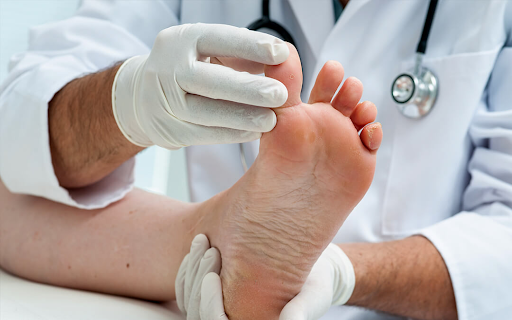
Diabetes is a long-term condition that affects millions of people, and one of its most serious complications is diabetic foot. If not treated on time, diabetic foot problems can lead to infections, ulcers, and even amputation. However, with early diagnosis, expert medical care, and proper follow-up, diabetic foot can be effectively managed and healed. At Marina’s Clinic, diabetic foot treatment is handled with a comprehensive, patient-first approach, focusing not just on healing wounds but also on preventing future complications. This blog explains how diabetic foot is treated at Marina’s Clinic, the methods used, and why timely care is crucial. Understanding Diabetic Foot Diabetic foot is a condition caused by long-standing high blood sugar levels that damage nerves and blood vessels. This leads to: Loss of sensation in the feet (neuropathy) Poor blood circulation Slow wound healing Higher risk of infection Because patients may not feel pain, even small cuts or blisters can go unnoticed and worsen over time. Why Early Treatment of Diabetic Foot Is Important Delaying treatment for diabetic foot can result in: Deep foot ulcers Severe infections Gangrene Amputation in advanced cases At Marina’s Clinic, early intervention is the key focus. Patients are encouraged to seek medical attention at the first sign of foot problems, which significantly improves recovery outcomes. How Marina’s Clinic Treats Diabetic Foot 1. Detailed Foot Examination & Diagnosis Treatment at Marina’s Clinic begins with a thorough clinical evaluation, which includes: Checking foot sensation Assessing blood circulation Examining wounds, ulcers, or skin changes Identifying infection signs Reviewing blood sugar levels and medical history This accurate diagnosis helps doctors create a personalized treatment plan for each patient. 2. Blood Sugar Control – The Foundation of Healing Uncontrolled diabetes delays wound healing. Marina’s Clinic emphasizes: Strict blood sugar monitoring Medication adjustment if needed Dietary guidance Lifestyle counseling Proper glucose control improves circulation and strengthens the body’s ability to fight infection. 3. Advanced Wound Care & Dressing One of the most critical steps in diabetic foot treatment is professional wound management. Marina’s Clinic provides: Regular wound cleaning Sterile dressing changes Use of appropriate wound-care materials Monitoring of healing progress This reduces infection risk and promotes faster tissue repair. 4. Removal of Dead or Infected Tissue (Debridement) If necessary, doctors at Marina’s Clinic perform debridement, a safe procedure that removes dead or infected tissue from the wound. This: Prevents infection spread Allows healthy tissue to grow Speeds up wound healing Debridement is done carefully under medical supervision to ensure patient comfort and safety. 5. Infection Control & Medication Management Diabetic foot infections can become serious quickly. Marina’s Clinic focuses on: Early detection of infection Appropriate antibiotics (oral or injectable) Close monitoring of response to treatment Prompt infection control helps avoid complications and hospitalization. 6. Footwear Guidance & Pressure Relief Improper footwear can worsen diabetic foot ulcers. At Marina’s Clinic, patients receive guidance on: Wearing comfortable, protective footwear Avoiding pressure points Off-loading techniques to reduce stress on wounds Reducing pressure is essential for wound healing and ulcer prevention. 7. Regular Follow-Ups & Continuous Monitoring Diabetic foot treatment does not end with wound closure. Marina’s Clinic ensures: Regular follow-up visits Monitoring for recurrence Long-term foot care education Preventive strategies for future protection This continuous care approach significantly reduces repeat foot problems. Preventive Education at Marina’s Clinic Prevention is a major part of diabetic foot management. Patients are educated on: Daily foot inspection Proper foot hygiene Nail and skin care When to seek medical help Importance of routine check-ups Education empowers patients to take control of their foot health. Why Choose Marina’s Clinic for Diabetic Foot Treatment? Marina’s Clinic is trusted for diabetic foot care because of its: Experienced medical professionals Patient-centered treatment plans Focus on early diagnosis Hygienic clinical practices Compassionate care approach Affordable and accessible healthcare services The clinic prioritizes foot-saving treatments and improved quality of life for diabetic patients. Frequently Asked Questions (AEO Optimized) Can diabetic foot be cured? Diabetic foot can be effectively treated and healed if detected early and managed properly under medical care. How long does diabetic foot take to heal? Healing time varies depending on severity, blood sugar control, and patient compliance. Early treatment leads to faster recovery. When should I visit Marina’s Clinic for diabetic foot? At the first sign of numbness, wounds, swelling, redness, or pain in the feet. Can diabetic foot lead to amputation? Yes, if untreated. Early treatment at Marina’s Clinic helps prevent severe complications. Final Thoughts Diabetic foot is a serious but manageable condition. With timely medical care, expert wound management, and proper diabetes control, patients can recover successfully and prevent future complications. At Marina’s Clinic, diabetic foot treatment goes beyond healing wounds—it focuses on saving feet, improving mobility, and enhancing overall well-being. If you or a loved one has diabetes, don’t ignore foot health. Early care can make all the difference.