Lipoma Removal: What to Expect Before, During, and After the Procedure
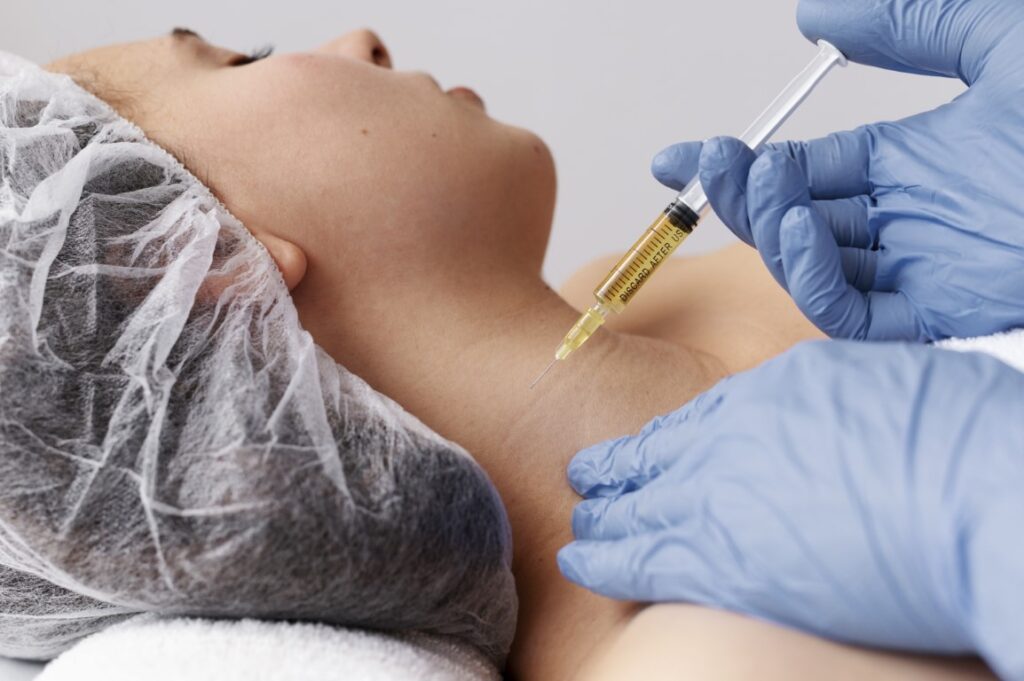
Surprising Risk Factors for Varicose Veins You Need to Know Lipomas are benign, fatty tumors that can develop just about anywhere in the body. While typically harmless and painless, some individuals may choose to have them removed for cosmetic reasons, discomfort, or if the lipoma grows rapidly. Understanding what to expect before, during, and after the procedure can help alleviate any concerns and prepare you for a smooth experience. Under the expert care of Dr. Preethi Mrinalini at Marinas Clinic, recognized as the best female surgeon in Chennai, you can be assured of a comprehensive and personalized treatment plan.Before the ProcedureInitial ConsultationThe first step in the lipoma removal process is an initial consultation with a healthcare provider. During this appointment, the doctor will evaluate the lipoma and discuss your medical history. This examination may include:Physical Examination: The doctor will examine the lump to determine its size, location, and characteristics.Imaging Tests: In some cases, an ultrasound or MRI might be recommended to assess the lipoma’s depth and to rule out other conditions.This consultation is also an opportunity for you to ask questions and express any concerns about the procedure.Pre-Operative InstructionsOnce the decision is made to remove the lipoma, the doctor will provide specific pre-operative instructions, which may include:Medication Adjustments: If you are taking blood thinners or other medications, you might need to stop them a few days before surgery to reduce the risk of bleeding.Fasting: For procedures involving general anesthesia, you will likely need to fast for a certain period before the surgery.Hygiene: Cleaning the surgical area thoroughly to reduce the risk of infection.Following these instructions carefully will help ensure a smooth surgical experience.During the ProcedureAnesthesiaLipoma removal can be done under local or general anesthesia, depending on the size and location of the lipoma, as well as patient and doctor preference:Local Anesthesia: Numbs only the area around the lipoma, suitable for smaller or easily accessible lipomas.General Anesthesia: Used for larger lipomas, multiple lipomas, or if the patient prefers to be unconscious during the procedure.Surgical TechniqueAt Marinas Clinic, the procedure typically lasts between 30 minutes to an hour, depending on the complexity. Here’s a general overview of the steps involved:Incision: A small incision is made over the lipoma.Removal: The lipoma is carefully separated from surrounding tissues and removed. Dr. Preethi Mrinalini ensures complete removal to minimize the chance of recurrence.Closure: The incision is then closed with sutures. For smaller incisions, dissolvable sutures may be used. In some cases, skin adhesive or surgical tape is applied.Throughout the procedure, the surgeon’s expertise plays a crucial role in minimizing tissue damage and scarring.After the ProcedureImmediate Post-Operative CareAfter the surgery, you will be taken to a recovery area where you will be monitored. If local anesthesia was used, you can usually go home within a few hours. For those who had general anesthesia, a longer observation period might be necessary.Pain Management and HealingPost-operative pain and discomfort are generally mild and can be managed with prescribed pain relievers and anti-inflammatory medications. Dr. Preethi Mrinalini provides detailed instructions on how to care for the surgical site, which typically include:Keeping the Area Clean: Proper hygiene is crucial to prevent infection. Follow the doctor’s instructions for cleaning the wound.Bandage Care: Change bandages as directed and avoid disturbing the sutures.Activity Restrictions: Limit physical activities that may strain the surgical area. Light activities can usually be resumed within a few days, but strenuous exercise should be avoided for a couple of weeks.Follow-Up AppointmentsFollow-up visits to Marinas Clinic are essential to monitor the healing process and remove any non-dissolvable sutures. During these appointments, the doctor will check for signs of infection and ensure that the wound is healing properly.Long-Term CareMost patients recover fully within a few weeks, with minimal scarring. Proper post-operative care and following the doctor’s instructions will help ensure a smooth recovery. In rare cases where the lipoma recurs, additional treatment options will be discussed.ConclusionLipoma removal is a straightforward procedure with a high success rate. Understanding what to expect before, during, and after the surgery can help alleviate anxiety and ensure a smooth and successful outcome. With the guidance of an experienced healthcare provider, you can look forward to effective treatment and a quick recovery. If you have a lipoma and are considering removal, schedule a consultation with Dr. Preethi Mrinalini at Marinas Clinic to discuss your options and take the first step towards improved health and well-being. As the best female surgeon in Chennai, Dr. Preethi Mrinalini provides expert care and personalized treatment plans to ensure optimal results for her patients. Recent Posts Lipoma Removal: What to Expect Before, During, and After the Procedure 27 May 2024 Surprising Risk Factors for Varicose Veins You Need to Know 27 May 2024 Bariatric Surgery: Is It the Right Choice for Managing Morbid Obesity? 27 May 2024 How Exercise Influences Your Cholesterol Levels 20 May 2024 The Link Between Morbid Obesity and Type 2 Diabetes: Prevention and Management 20 May 2024 Have Any Question? Contact us +91 98840 00171 [email protected]
Surprising Risk Factors for Varicose Veins You Need to Know

Surprising Risk Factors for Varicose Veins You Need to Know Varicose veins are more than just a cosmetic concern; they can lead to discomfort, pain, and more serious health issues if left untreated. While many people are aware that prolonged standing or hereditary factors can lead to varicose veins, there are several surprising risk factors that are often overlooked. Dr. Preethi Mrinalini, a leading expert at Marinas Clinic and recognized as the best female surgeon in Chennai, sheds light on these lesser-known factors. Understanding Varicose Veins Varicose veins are enlarged, twisted veins that typically appear on the legs and feet. They occur when the valves in the veins that regulate blood flow become weak or damaged, causing blood to pool and the veins to swell. Symptoms can include aching pain, swelling, heaviness, and visible bulging veins. Surprising Risk Factors for Varicose Veins Sedentary Lifestyle: While standing for long periods is known to contribute to varicose veins, sitting for extended periods can be just as harmful. When you sit for too long, blood flow in your legs decreases, which can lead to pooling and increased pressure in the veins. Hormonal Changes:Hormones play a significant role in the development of varicose veins. Pregnancy, menopause, and the use of birth control pills or hormone replacement therapy can increase the risk. These hormonal changes affect the elasticity and strength of vein walls. Pregnant women are particularly susceptible due to increased blood volume and pressure on the veins from the growing uterus. Obesity:Excess body weight puts additional pressure on the veins in your legs, increasing the likelihood of varicose veins. The added weight can cause veins to enlarge and valves to weaken. Maintaining a healthy weight through a balanced diet and regular exercise is crucial for preventing varicose veins. Occupational Hazards:Certain professions that require prolonged sitting or standing can elevate the risk of developing varicose veins. Jobs such as teaching, nursing, hairdressing, and office work are common examples. Genetics:While not entirely surprising, the hereditary nature of varicose veins is often underestimated. If your family members have varicose veins, your risk increases significantly. Understanding your genetic predisposition can help you take proactive measures to prevent or manage the condition. Gender:Women are more likely to develop varicose veins than men, largely due to hormonal influences and pregnancy. However, men are not immune, and they should also be mindful of the risk factors and symptoms associated with varicose veins. Age:As you age, the wear and tear on the valves in your veins can cause them to function less efficiently. This natural aging process increases the likelihood of varicose veins. Regular exercise, maintaining a healthy weight, and avoiding long periods of inactivity can help mitigate this risk. Injury or Trauma:Past injuries or trauma to the legs can damage the veins and increase the risk of varicose veins. This includes fractures, surgeries, or even severe bruising. If you’ve experienced significant leg injuries, monitoring your vein health is essential. Preventing and Managing Varicose Veins Understanding these surprising risk factors is the first step toward prevention and management. Dr. Preethi Mrinalini recommends several strategies: Exercise Regularly: Physical activity, especially walking, helps improve blood circulation in the legs and reduces the risk of varicose veins. Elevate Your Legs: Elevating your legs when resting can help reduce pressure on the veins and improve blood flow. Wear Compression Stockings: Compression stockings provide support to the veins and can help prevent blood from pooling. Healthy Diet: A diet rich in fiber and low in salt can prevent constipation and water retention, both of which can contribute to varicose veins. Stay Hydrated: Proper hydration supports overall vascular health and helps maintain good circulation. Consult a Specialist: If you notice symptoms of varicose veins, seeking medical advice from a specialist like Dr. Preethi Mrinalini at Marinas Clinic is crucial. Early intervention can prevent complications and improve your quality of life. Conclusion Varicose veins are a common condition with several surprising risk factors beyond the well-known causes. By understanding these factors and taking proactive measures, you can reduce your risk and manage symptoms effectively. Dr. Preethi Mrinalini, recognized as the best female surgeon in Chennai, and her team at Marinas Clinic are dedicated to providing expert care for varicose veins. Whether through preventive advice or advanced treatment options, they ensure patients receive the best possible outcomes. If you’re concerned about varicose veins, consult with Dr. Preethi Mrinalini to explore your options for maintaining healthy, pain-free legs. Recent Posts Surprising Risk Factors for Varicose Veins You Need to Know 27 May 2024 Bariatric Surgery: Is It the Right Choice for Managing Morbid Obesity? 27 May 2024 How Exercise Influences Your Cholesterol Levels 20 May 2024 The Link Between Morbid Obesity and Type 2 Diabetes: Prevention and Management 20 May 2024 Diet and Lifestyle Tips for a Healthy Recovery Post-Appendectomy 08 May 2024 Have Any Question? Contact us +91 98840 00171 [email protected]
Bariatric Surgery: Is It the Right Choice for Managing Morbid Obesity?

Bariatric Surgery: Is It the Right Choice for Managing Morbid Obesity? Morbid obesity is a severe health condition characterized by a body mass index (BMI) of 40 or higher, or 35 or higher with obesity-related health conditions such as diabetes or hypertension. Traditional weight loss methods, including diet and exercise, often prove insufficient for individuals suffering from morbid obesity. In such cases, bariatric surgery can be a viable solution. Dr. Preethi Mrinalini, a leading expert at Marinas Clinic and acclaimed as the best female surgeon in Chennai, provides valuable insights into bariatric surgery and its role in managing morbid obesity. Understanding Bariatric Surgery Bariatric surgery encompasses a variety of procedures designed to help individuals lose weight by altering the digestive system. These procedures are typically recommended for individuals who have not been successful with conventional weight loss methods and are experiencing serious health issues due to obesity. The most common types of bariatric surgery include: Gastric Bypass (Roux-en-Y): This procedure involves creating a small pouch at the top of the stomach, which is then connected directly to the small intestine. This significantly reduces the amount of food the stomach can hold and decreases calorie absorption. Sleeve Gastrectomy: In this procedure, a large portion of the stomach is removed, leaving a tube-shaped stomach about the size of a banana. This limits the amount of food one can eat and reduces hunger hormones. Adjustable Gastric Band: A band is placed around the upper part of the stomach, creating a small pouch that restricts food intake. The band can be adjusted to control the rate of weight loss. Biliopancreatic Diversion with Duodenal Switch: This complex procedure involves both a sleeve gastrectomy and bypassing a large portion of the small intestine. It results in significant weight loss and requires lifelong vitamin and mineral supplementation. Is Bariatric Surgery the Right Choice? Deciding whether bariatric surgery is the right choice involves a thorough evaluation of various factors, including health status, weight loss goals, and personal preferences. Dr. Preethi Mrinalini emphasizes the importance of considering the following aspects: Health Conditions: Bariatric surgery is often recommended for individuals with a BMI of 40 or higher, or 35 or higher with obesity-related health conditions such as type 2 diabetes, hypertension, or sleep apnea. These surgeries can significantly improve or even resolve these conditions, enhancing overall quality of life. Previous Weight Loss Attempts: Candidates for bariatric surgery typically have a history of unsuccessful weight loss attempts through diet, exercise, and medication. Surgery is considered when these methods have failed to produce significant or sustainable weight loss. Commitment to Lifestyle Changes: Bariatric surgery is not a quick fix. It requires a lifelong commitment to healthy eating, regular physical activity, and possibly taking supplements. Patients must be prepared for significant lifestyle changes to achieve and maintain weight loss. Psychological Readiness: Emotional and psychological readiness is crucial for the success of bariatric surgery. Counseling and support groups can help individuals cope with the emotional aspects of obesity and the challenges of post-surgery life. Benefits of Bariatric Surgery The benefits of bariatric surgery extend beyond weight loss. Dr. Preethi Mrinalini highlights several advantages: Improvement in Obesity-Related Conditions: Bariatric surgery can lead to significant improvement or resolution of conditions such as type 2 diabetes, hypertension, sleep apnea, and joint pain. Many patients experience a reduction in medication use and an overall improvement in health. Enhanced Quality of Life: Weight loss achieved through bariatric surgery can lead to increased mobility, improved self-esteem, and a better quality of life. Patients often report higher energy levels and the ability to participate in activities they previously found challenging. Long-Term Weight Loss: Bariatric surgery has been shown to produce substantial and sustained weight loss, especially when combined with lifestyle modifications. This can help prevent the recurrence of obesity-related health issues. Risks and Considerations While bariatric surgery offers significant benefits, it is not without risks. Potential complications include infection, bleeding, nutrient deficiencies, and complications related to anesthesia. It is essential to discuss these risks with a qualified surgeon like Dr. Preethi Mrinalini at Marinas Clinic, who can provide personalized guidance and support. Conclusion Bariatric surgery can be a life-changing option for individuals struggling with morbid obesity, offering significant health benefits and improved quality of life. However, it requires careful consideration, commitment, and support. Dr. Preethi Mrinalini, recognized as the best female surgeon in Chennai, and her team at Marinas Clinic are dedicated to providing comprehensive care and ensuring the best possible outcomes for their patients. If you are considering bariatric surgery, consulting with experienced professionals like Dr. Preethi Mrinalini can help you make an informed decision and embark on a healthier, happier life. Recent Posts Bariatric Surgery: Is It the Right Choice for Managing Morbid Obesity? 27 May 2024 How Exercise Influences Your Cholesterol Levels 20 May 2024 The Link Between Morbid Obesity and Type 2 Diabetes: Prevention and Management 20 May 2024 Diet and Lifestyle Tips for a Healthy Recovery Post-Appendectomy 08 May 2024 Understanding the Hidden Triggers of GERD: Identifying and Managing Food and Lifestyle Factors 06 May 2024 Have Any Question? Contact us +91 98840 00171 [email protected]
How Exercise Influences Your Cholesterol Levels

How Exercise Influences Your Cholesterol Levels Maintaining healthy cholesterol levels is important for heart health. While diet and medication help, exercise is a natural way to improve cholesterol. Dr. Preethi Mirnalini, the best female surgeon in Chennai, says that regular exercise can greatly improve your cholesterol levels and benefit your heart. By staying active, you can enjoy better overall health and reduce your risk of cardiovascular disease. Understanding CholesterolCholesterol is a fatty substance produced by the liver and found in certain foods. It’s essential for building cell membranes and hormones. However, an imbalance in cholesterol levels can lead to health problems. Cholesterol is transported through the bloodstream by lipoproteins, primarily low-density lipoproteins (LDL) and high-density lipoproteins (HDL). LDL, often referred to as “bad” cholesterol, can build up in the walls of arteries, leading to atherosclerosis and increasing the risk of heart disease. HDL, or “good” cholesterol, helps remove LDL from the bloodstream. The Impact of Exercise on CholesterolRegular exercise has a multifaceted impact on cholesterol levels. Here’s how: 1. Increases HDL CholesterolOne of the most significant benefits of exercise is its ability to increase HDL cholesterol. Higher levels of HDL are associated with a lower risk of cardiovascular disease because HDL helps remove LDL cholesterol from the arteries. Aerobic exercises such as walking, jogging, cycling, and swimming are particularly effective in boosting HDL levels. 2. Reduces LDL CholesterolExercise can also help lower LDL cholesterol, although the effect is more pronounced when combined with dietary changes. Regular physical activity stimulates enzymes that help move LDL from the blood and blood-vessel walls to the liver, where it can be converted into bile or excreted. This process helps prevent the buildup of LDL in the arteries. 3. Promotes Weight LossExcess weight is linked to higher levels of LDL cholesterol and lower levels of HDL cholesterol. Exercise helps with weight loss and maintenance, which in turn positively affects cholesterol levels. Weight loss achieved through regular physical activity reduces the amount of cholesterol circulating in the blood. 4. Improves Overall Cardiovascular HealthExercise not only impacts cholesterol levels but also improves overall cardiovascular health. It strengthens the heart muscle, improves blood circulation, and reduces blood pressure. These factors collectively contribute to a lower risk of cardiovascular diseases, providing a comprehensive approach to heart health. Exercise RecommendationsTo achieve these benefits, Dr. Preethi Mirnalini suggests the following exercise guidelines:Aerobic Exercise: Aim for at least 150 minutes of moderate-intensity aerobic exercise or 75 minutes of vigorous-intensity exercise per week. Activities like brisk walking, running, cycling, or swimming are ideal.Strength Training: Incorporate strength training exercises at least two days a week. This can include weightlifting, resistance band exercises, or body-weight exercises like push-ups and squats.Consistency: Regularity is key. Consistent physical activity is more beneficial than sporadic, intense workouts.Variety: Engage in different types of exercises to work various muscle groups and keep your routine interesting. A Holistic ApproachWhile exercise is a powerful tool for managing cholesterol, it works best when combined with other healthy lifestyle choices. Dr. Preethi Mirnalini advises a balanced diet low in saturated and trans fats, rich in fruits, vegetables, whole grains, and lean proteins. Avoiding tobacco smoke and limiting alcohol consumption also contribute to better cholesterol levels and overall health. ConclusionExercise is a vital component in managing cholesterol levels and improving heart health. Under the guidance of experts like Dr. Preethi Mirnalini at Marinas Clinic, individuals can develop a tailored exercise regimen that fits their lifestyle and health needs. By committing to regular physical activity, you can enhance your cholesterol profile, reduce the risk of cardiovascular disease, and enjoy a healthier, more active life.For personalized advice and support, consult Dr. Preethi Mirnalini, the best female surgeon in Chennai, at Marinas Clinic. Her expertise and dedication to patient care make her a trusted resource for those looking to improve their health through effective lifestyle changes. Recent Posts How Exercise Influences Your Cholesterol Levels 20 May 2024 Diet and Lifestyle Tips for a Healthy Recovery Post-Appendectomy 08 May 2024 Understanding the Hidden Triggers of GERD: Identifying and Managing Food and Lifestyle Factors 06 May 2024 The Role of Exercise in Managing Morbid Obesity 29 Apr 2024 How Weather Conditions Affect Varicose Veins 29 Apr 2024 Have Any Question? Contact us +91 98840 00171 [email protected]
The Link Between Morbid Obesity and Type 2 Diabetes: Prevention and Management

The Link Between Morbid Obesity and Type 2 Diabetes: Prevention and Management In recent years, the prevalence of morbid obesity and type 2 diabetes has escalated globally, posing significant public health challenges. Understanding the link between these two conditions is crucial for developing effective prevention and management strategies. Dr. Preethi Mrinalini, a renowned surgeon at Marinas Clinic and recognized as the best female surgeon in Chennai, provides valuable insights into this pressing issue. The Link Between Morbid Obesity and Type 2 Diabetes Morbid obesity is characterized by a body mass index (BMI) of 40 or higher. It is associated with numerous health complications, with type 2 diabetes being one of the most significant. Type 2 diabetes occurs when the body becomes resistant to insulin, a hormone that regulates blood sugar levels, or when the pancreas fails to produce sufficient insulin.The connection between morbid obesity and type 2 diabetes can be attributed to several factors: Insulin Resistance: Excess fat, especially abdominal fat, increases the body’s resistance to insulin. This means that the body requires more insulin to keep blood sugar levels within a normal range. Over time, this can lead to type 2 diabetes. Inflammation: Obesity triggers chronic inflammation, which can impair insulin signaling pathways, further exacerbating insulin resistance and promoting the development of type 2 diabetes. Fat Distribution: The distribution of fat in the body plays a crucial role. Visceral fat, which surrounds internal organs, is particularly harmful and is strongly linked to insulin resistance and type 2 diabetes. Prevention Strategies Preventing morbid obesity and type 2 diabetes involves a multifaceted approach focusing on lifestyle modifications and medical interventions when necessary. Dr. Preethi Mrinalini emphasizes the following strategies: Healthy Eating Habits: Adopting a balanced diet rich in fruits, vegetables, whole grains, and lean proteins is essential. Reducing the intake of processed foods, sugary beverages, and high-fat foods can help maintain a healthy weight and improve insulin sensitivity. Regular Physical Activity: Engaging in regular physical activity, such as brisk walking, jogging, swimming, or cycling, can help control weight, improve cardiovascular health, and enhance insulin sensitivity. Aim for at least 150 minutes of moderate-intensity exercise per week. Behavioral Changes: Addressing psychological factors such as stress, depression, and emotional eating through counseling and support groups can be beneficial. Behavioral therapy can help individuals develop healthier habits and coping mechanisms. Medical Interventions: In cases where lifestyle modifications are insufficient, medical interventions may be necessary. These include medications that improve insulin sensitivity or weight-loss medications approved by healthcare professionals. Management of Morbid Obesity and Type 2 DiabetesFor individuals already diagnosed with morbid obesity and type 2 diabetes, effective management is crucial to prevent complications. Dr. Preethi Mrinalini recommends the following approaches: Comprehensive Diabetes Care: Regular monitoring of blood sugar levels, adherence to prescribed medications, and routine check-ups with healthcare providers are vital. Managing blood pressure and cholesterol levels is also important to reduce the risk of cardiovascular diseases. Bariatric Surgery: For individuals with severe obesity who have not achieved significant weight loss through lifestyle changes and medications, bariatric surgery may be an option. Procedures such as gastric bypass, sleeve gastrectomy, and adjustable gastric banding have shown to be effective in achieving substantial weight loss and improving diabetes control. Dr. Preethi Mrinalini, at Marinas Clinic, is recognized for her expertise in performing these surgeries, making her one of the best female surgeons in Chennai. Nutritional Support: Working with a registered dietitian to create a personalized meal plan can help manage both weight and blood sugar levels. Nutritional counseling can provide guidance on portion control, meal timing, and food choices. Physical Rehabilitation: Incorporating a structured exercise program tailored to individual capabilities can enhance weight loss efforts and improve insulin sensitivity. Physical therapists can design safe and effective exercise routines for patients with mobility limitations. Psychological Support: Addressing the psychological aspects of obesity and diabetes is crucial. Mental health professionals can provide therapy to manage stress, anxiety, and depression, which are often associated with these conditions. ConclusionThe link between morbid obesity and type 2 diabetes is undeniable, but with the right preventive measures and management strategies, individuals can lead healthier lives. Dr. Preethi Mrinalini and her team at Marinas Clinic are dedicated to providing comprehensive care for patients battling these conditions. As the best female surgeon in Chennai, Dr. Preethi Mrinalini offers expertise and compassion, ensuring that patients receive the highest quality of care. By embracing a holistic approach that includes lifestyle changes, medical interventions, and psychological support, we can combat the dual epidemic of obesity and diabetes. Recent Posts How Exercise Influences Your Cholesterol Levels 20 May 2024 The Link Between Morbid Obesity and Type 2 Diabetes: Prevention and Management 20 May 2024 Diet and Lifestyle Tips for a Healthy Recovery Post-Appendectomy 08 May 2024 Understanding the Hidden Triggers of GERD: Identifying and Managing Food and Lifestyle Factors 06 May 2024 The Role of Exercise in Managing Morbid Obesity 29 Apr 2024 Have Any Question? Contact us +91 98840 00171 [email protected]
Diet and Lifestyle Tips for a Healthy Recovery Post-Appendectomy
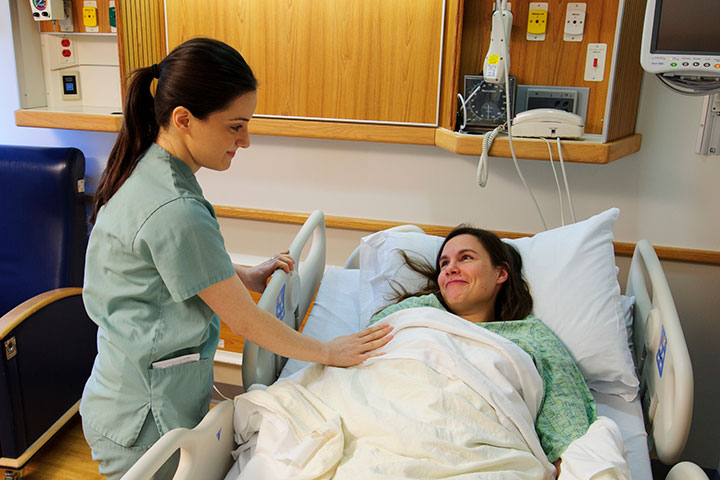
Diet and Lifestyle Tips for a Healthy Recovery Post-Appendectomy Following an appendectomy—a surgical operation in which the appendix is removed—recovery can be a difficult undertaking. However, you can guarantee a speedy and easy recovery with the appropriate dietary and lifestyle changes. At Marina’s Clinic, one of the best female surgeons in Chennai, Dr. Preethi Mrinalini K, provides professional guidance on how to effectively handle your recuperation. Here are some doable suggestions to aid in your recovery and return to strength following an appendectomy. 1. Follow a Gradual Diet PlanImmediately after your appendectomy, your stomach might be sensitive. Start with liquids and easy-to-digest foods to minimize the strain on your digestive system. Dr. Preethi recommends beginning with clear broths, gelatin, and juices before gradually moving to more substantial foods such as oatmeal, toast, and yogurt. This gradual progression helps prevent any complications such as constipation or diarrhea. 2. Stay HydratedHydration is crucial during the recovery phase. Water helps in the overall healing process by keeping the body hydrated and aiding digestion. Avoid caffeine and alcoholic beverages, as they can dehydrate you. Instead, focus on drinking plain water, herbal teas, and electrolyte solutions to maintain hydration levels. 3. Incorporate High-fiber FoodsAs your appetite returns, introduce high-fiber foods into your diet. Fiber aids digestion and prevents constipation, which can be a concern post-surgery. Include fruits like bananas and apples, vegetables like carrots and peas, and whole grains like brown rice and whole wheat bread in your meals. Remember to increase your fiber intake gradually to avoid gas and bloating. 4. Avoid Heavy and Greasy FoodsFor several weeks after your surgery, it’s best to avoid heavy, greasy, and spicy foods. These can exacerbate pain and may lead to digestive issues. Opt for baked or steamed dishes instead of fried options and choose lean proteins like chicken, fish, and tofu to aid muscle repair and recovery. 5. Listen to Your BodyIt’s important to listen to your body and understand its limits during the recovery period. If certain foods cause discomfort, swelling, or other digestive problems, avoid them and consult your healthcare provider. Dr. Preethi always emphasizes the importance of tuning into your body’s signals to avoid complications. 6. Get MovingWhile it’s crucial to rest during the initial days post-surgery, light physical activity is beneficial as you start to feel better. Gentle walks can improve blood circulation and help prevent blood clots. However, avoid strenuous activities and lifting heavy objects until your doctor gives you the all-clear. 7. Manage StressRecovery can be mentally challenging. Stress can negatively affect your body’s healing process, so it’s essential to manage stress effectively. Techniques such as deep breathing, meditation, and gentle yoga can help maintain your mental health. Additionally, ensure you’re getting enough sleep, as good rest is crucial for recovery. 8. Regular Follow-up AppointmentsEnsure you attend all follow-up appointments with your surgeon. These visits are critical to monitor your healing progress and address any concerns you might have. Dr. Preethi Mrinalini K and her team at Marina’s Clinic are committed to providing you with the best care and support throughout your recovery journey. Conclusion: Following an appendectomy, your nutrition and way of life must be carefully considered. You can guarantee a speedy and healthy recovery by adhering to the advice given by Marina’s Clinic’s top female surgeon in Chennai, Dr. Preethi Mrinalini K. Keep in mind that every person’s road to recovery is different, so be honest with your healthcare practitioner about your development and any problems you face. With the assistance of professional treatment and a caring atmosphere, your road to recovery will quickly return you to your regular activities. Recent Posts Diet and Lifestyle Tips for a Healthy Recovery Post-Appendectomy 08 May 2024 Understanding the Hidden Triggers of GERD: Identifying and Managing Food and Lifestyle Factors 06 May 2024 The Role of Exercise in Managing Morbid Obesity 29 Apr 2024 How Weather Conditions Affect Varicose Veins 29 Apr 2024 What is an Incisional Hernia? 24 Apr 2024 Have Any Question? Contact us +91 98840 00171 [email protected]
Understanding the Hidden Triggers of GERD: Identifying and Managing Food and Lifestyle Factors
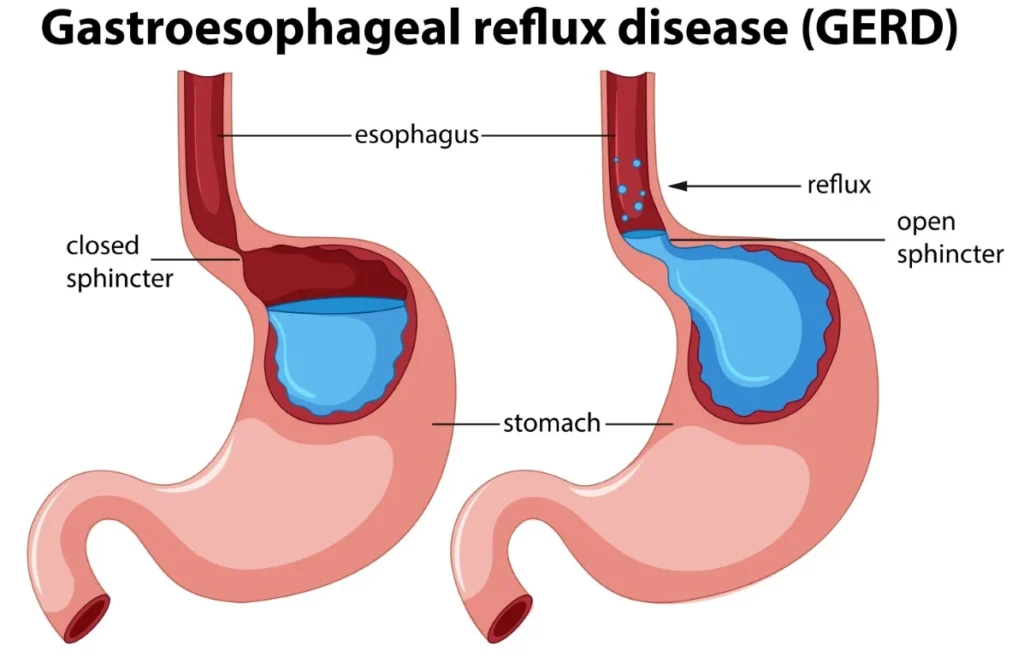
Understanding the Hidden Triggers of GERD: Identifying and Managing Food and Lifestyle Factors Millions of people worldwide suffer from Gastroesophageal Reflux Disease (GERD), which severely lowers their quality of life. Beyond traditional treatments like medicine and surgery, GERD requires attention because of its symptoms, which can range from heartburn to difficulties swallowing. As the top female surgeon in Chennai, Dr. Preethi Mrinalini K., offers her experience to Marina’s Clinic, illuminating the hidden causes linked to nutrition and lifestyle choices and providing practical solutions. The Role of Food in GERD: An important factor in the treatment of GERD is diet. For example, foods high in fat might worsen symptoms by weakening the muscle that keeps stomach acids from backing up into the oesophagus—the lower oesophagal sphincter, or LES. Following are a few typical food triggers: Fatty Foods: Greasy, high-fat foods are notorious for their role in worsening GERD symptoms. Reducing intake of items like fried foods, butter, and creamy sauces can help manage symptoms.Acidic Foods and Beverages: Tomatoes, citrus fruits, and sodas can increase the acidity of stomach contents, leading to more severe reflux.Spicy Foods: While spices can add wonderful flavour, they can also irritate the oesophagus and worsen reflux symptoms.Caffeine and Alcohol: These relax the LES and can trigger reflux, especially when consumed in large quantities.Understanding individual triggers is essential, as reactions can vary from person to person. Keeping a food diary can be an effective way to identify which foods exacerbate your GERD symptoms. Lifestyle Factors Contributing to GERD Aside from diet, various lifestyle factors can influence the severity of GERD symptoms. These include: Eating Habits: Overeating or eating close to bedtime can increase the likelihood of reflux. It’s advisable to eat smaller, more frequent meals and to avoid eating at least three hours before going to sleep.Body Weight: Excess weight, particularly around the abdomen, can increase the pressure on the stomach and LES, exacerbating reflux symptoms. Managing body weight through diet and exercise can significantly reduce the severity of GERD.Smoking and Alcohol Consumption: Both smoking and excessive alcohol use can impair the function of the LES, leading to increased reflux.Stress: While stress itself doesn’t cause GERD, it can lead to behaviours (like overeating or smoking) that trigger symptoms. Engaging in stress-reducing activities such as yoga, meditation, or regular exercise can be beneficial. Strategies for Managing GERD Managing GERD effectively requires a holistic approach that includes dietary adjustments, lifestyle changes, and possibly medical treatment. Here are some strategies to consider: Diet Modification: Work with a healthcare provider to identify and eliminate food triggers. Incorporating alkaline foods like bananas, melons, and cucumbers can help neutralise stomach acids.Regular Exercise: Moderate, consistent exercise can help manage body weight and reduce GERD symptoms. However, avoid vigorous activities immediately after meals as they might increase reflux.Proper Posture: Maintaining a good posture during and after meals can prevent the stomach contents from pressing against the LES.Medical Consultation: Seek advice from a healthcare provider if your GERD symptoms are not improving. As the top female surgeon in Chennai and a specialist at Marina’s Clinic, Dr. Preethi Mrinalini K offers professional guidance and individualized treatment plans. Our mission at Marina’s Clinic is to provide patients with all the information and treatment choices they need to manage their GERD effectively. People can reduce symptoms and enhance their quality of life by being proactive in learning the hidden triggers of GERD. For more information or to schedule an appointment, visit Marina’s Clinic or contact Dr.Preethi Mrinalini K, who is dedicated to providing top-tier gastrointestinal care in Chennai. Recent Posts Diet and Lifestyle Tips for a Healthy Recovery Post-Appendectomy 08 May 2024 Understanding the Hidden Triggers of GERD: Identifying and Managing Food and Lifestyle Factors 06 May 2024 The Role of Exercise in Managing Morbid Obesity 29 Apr 2024 How Weather Conditions Affect Varicose Veins 29 Apr 2024 What is an Incisional Hernia? 24 Apr 2024 Have Any Question? Contact us +91 98840 00171 [email protected]
The Role of Exercise in Managing Morbid Obesity

The Role of Exercise in Managing Morbid Obesity The prevalence of morbid obesity is rising in a world where fast food culture and sedentary lifestyles are prevalent. Morbid obesity is defined as having a Body Mass Index (BMI) of 40 or greater. It is associated with significant health risks, including heart disease, diabetes, and stroke, in addition to its negative effects on appearance. Exercise is crucial in controlling morbid obesity, even though food changes and medication interventions are frequently required. Exercise is important for more than just losing weight; it also improves general health and quality of life. Exercise can be intimidating for those who suffer from morbid obesity, but it’s an essential step in taking back control of their health. Exercise is essential for controlling morbid obesity in the following ways. Calorie Expenditure: The fundamental principle of weight loss is burning more calories than you consume. Exercise helps achieve this by increasing calorie expenditure. Even low-intensity activities like walking or swimming can make a significant difference over time. As individuals progress, they can gradually increase the intensity and duration of their workouts to further enhance calorie burn. Building Muscle Mass: Incorporating strength training into an exercise routine is particularly beneficial for individuals with morbid obesity. Muscle tissue burns more calories at rest than fat tissue, so increasing muscle mass can boost metabolism and facilitate weight loss. Additionally, strength training helps improve overall strength, mobility, and functionality, which can enhance daily activities and reduce the risk of injury. Improving Metabolic Health: Morbid obesity often goes hand in hand with metabolic abnormalities such as insulin resistance and high blood sugar levels. Regular exercise helps improve insulin sensitivity, allowing cells to better utilize glucose for energy. This can lead to better blood sugar control and a reduced risk of developing type 2 diabetes. Exercise also helps lower triglyceride levels and raise HDL (good) cholesterol, improving overall metabolic health. Enhancing Mental Well-being: Managing morbid obesity is not just about physical health; it’s also about mental and emotional well-being. Exercise has been shown to reduce symptoms of anxiety, depression, and stress, which are commonly associated with obesity. Physical activity stimulates the release of endorphins, neurotransmitters that promote feelings of happiness and relaxation. Engaging in regular exercise can boost self-esteem and confidence, empowering individuals to make healthier choices and stick to their weight loss journey. Creating Sustainable Habits: One of the biggest challenges in managing morbid obesity is maintaining long-term lifestyle changes. Crash diets and extreme workout regimens are rarely sustainable and often lead to weight regain once discontinued. Incorporating regular exercise into daily life fosters sustainable habits that support weight maintenance and overall health. By finding enjoyable activities and gradually increasing physical activity levels, individuals can establish a lifelong commitment to their well-being. While exercise is a powerful tool in managing morbid obesity, it’s essential to approach it safely and gradually, especially for individuals who have been inactive for a long time or have underlying health conditions. Consulting with a healthcare professional or a certified fitness trainer can help develop a personalized exercise plan that meets individual needs and capabilities. Conclusion: In conclusion, physical activity is essential for treating morbid obesity and enhancing general health, not merely as a way to reduce weight. People can improve their mental health, improve metabolic health, and sustainably lose weight by engaging in regular physical activity. Exercise-based management of morbid obesity is not only feasible but also empowering when combined with commitment, tolerance, and the appropriate support network. Recent Posts Diet and Lifestyle Tips for a Healthy Recovery Post-Appendectomy 08 May 2024 Understanding the Hidden Triggers of GERD: Identifying and Managing Food and Lifestyle Factors 06 May 2024 The Role of Exercise in Managing Morbid Obesity 29 Apr 2024 How Weather Conditions Affect Varicose Veins 29 Apr 2024 What is an Incisional Hernia? 24 Apr 2024 Have Any Question? Contact us +91 98840 00171 [email protected]
How Weather Conditions Affect Varicose Veins

How Weather Conditions Affect Varicose Veins Varicose veins, those swollen and twisted veins often seen on the legs, are a common condition impacting millions worldwide. Weather conditions can significantly affect the severity of varicose veins, influencing symptoms such as swelling, discomfort, and pain. In this blog, we’ll discuss how various weather patterns can affect varicose veins and share insights from Dr. Preeti Mrinalini K, a leading female surgeon in Chennai at Marinas Clinic, where comprehensive treatment for varicose veins is provided. Understanding Varicose Veins Varicose veins occur when vein valves weaken or fail, causing blood to pool and veins to swell and twist. They can cause discomfort, pain, and even lead to more serious complications if left untreated. Common factors contributing to varicose veins include genetics, obesity, pregnancy, age, and prolonged standing or sitting.Weather Conditions and Varicose Veins Different weather conditions can influence the symptoms of varicose veins in various ways. Here’s how warm and cold weather can impact varicose veins: Warm Weather:Warm weather can exacerbate varicose vein symptoms due to several reasons:Vasodilation: Heat causes blood vessels to dilate, leading to increased blood flow and pressure on compromised veins, potentially worsening swelling and discomfort.Dehydration: Warmer weather often leads to increased sweating, causing dehydration, which thickens the blood and makes veins work harder, leading to increased pressure and swelling.Reduced Physical Activity: People may be less active in hot weather to avoid overheating, which can lead to poor blood circulation in the legs, aggravating varicose veins. Cold Weather:Cold weather can also affect varicose veins, albeit differently:Vasoconstriction: Cold temperatures cause blood vessels to constrict, reducing blood flow to the extremities. This might temporarily reduce swelling but can lead to higher blood pressure, stressing the veins over time.Reduced Physical Activity: Like in warm weather, cold weather often leads to reduced exercise, affecting blood circulation and worsening varicose vein symptoms. Layered Clothing: During cold weather, people often wear multiple layers of clothing, potentially restricting blood flow and increasing pressure on veins, aggravating varicose veins. Tips for Managing Varicose Veins in Different Weather Conditions Managing varicose veins effectively involves adapting to weather conditions. Here are some practical tips, with advice from Dr. Preeti Mrinalini K, the best female surgeon in Chennai, and her team at Marinas Clinic, which provides comprehensive treatment for varicose veins: In Warm Weather:Stay Hydrated: Drink plenty of water to prevent dehydration and promote good blood flow.Elevate Your Legs: Raise your legs when sitting or lying down to reduce swelling and improve circulation.Wear Compression Stockings: These can help reduce pressure on veins and promote blood flow.Exercise Regularly: Engage in low-impact activities like walking, swimming, or cycling to improve circulation and reduce pressure on veins. In Cold Weather:Stay Warm: Keep your legs warm to promote blood flow, but avoid excessive layering that might restrict circulation.Stretch and Move: Make an effort to stretch and move your legs regularly to maintain good blood flow.Use Compression Stockings: These can be helpful throughout the year to improve blood flow and reduce swelling. Elevate Your Legs: This can relieve pressure on varicose veins in any weather.Marinas Clinic: Comprehensive Varicose Vein TreatmentMarinas Clinic in Chennai, led by Dr. Preeti Mrinalini K, specializes in treating varicose veins. The clinic offers a range of treatment options, from minimally invasive procedures to more comprehensive surgical interventions, ensuring personalized care for each patient. If you’re experiencing varicose vein symptoms, Marinas Clinic provides expert advice, advanced treatment options, and compassionate care to help you manage and treat your condition. Conclusion Weather conditions can play a significant role in the severity of varicose veins. Understanding how different climates affect your varicose veins and following practical tips to manage symptoms can make a big difference. If you’re struggling with varicose veins, consider consulting with specialists like Dr. Preeti Mrinalini K at Marinas Clinic in Chennai, where you can receive expert treatment and guidance to address this condition effectively. Recent Posts The Role of Exercise in Managing Morbid Obesity 29 Apr 2024 How Weather Conditions Affect Varicose Veins 29 Apr 2024 What is an Incisional Hernia? 24 Apr 2024 Addressing the Rise in Colorectal Cancer 22 Apr 2024 9 Effective Ways to Prevent the Risk of Gallstone Problems 22 Apr 2024 Have Any Question? Contact us +91 98840 00171 [email protected]
What is an Incisional Hernia?
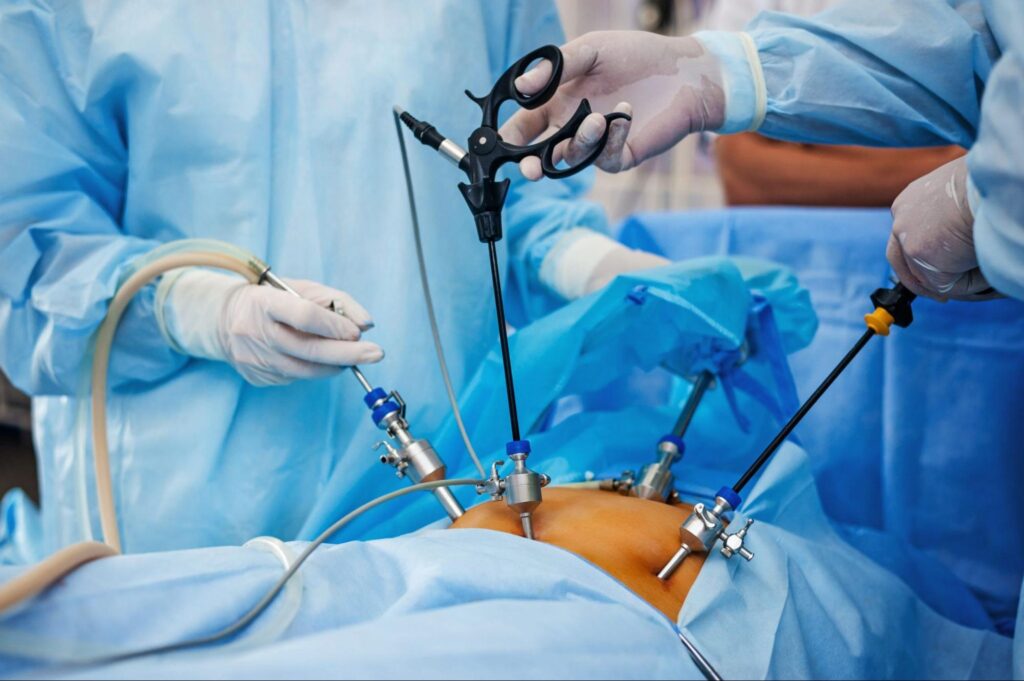
What is an Incisional Hernia? A particular kind of hernia, known as an incisional hernia, occurs when an incision is made during a prior surgical procedure. A bulge or lump is created when an internal organ, usually the intestine, pushes through a weak area in the abdominal muscle or fascia. If treatment is not received, this condition might not only be painful but also result in serious problems. How Does an Incisional Hernia Develop?Surgical incisions are closely linked to incisional hernias. After surgery, the tissues are usually weaker and more vulnerable to internal abdominal pressure as the surgical wound heals. Several factors, such as inadequate wound healing, infection at the location of the incision, obesity, undue strain on the area, or premature activity following surgery, might raise the chance of developing an incisional hernia. Symptoms of an Incisional HerniaA visible bulge or swelling where the prior surgical scar was located is the most typical sign of an incisional hernia. This bulge may become more noticeable when you cough, stretch, or stand up, and it may go away when you lie down. Additional symptoms may include soreness at the location, discomfort when moving around, and, in extreme situations, nausea or a fullness sensation. Diagnosis and TreatmentA physical examination is usually required for the diagnosis of an incisional hernia, and imaging tests such as a CT scan or ultrasound may be used to determine the extent of the condition. Treatment options for a hernia vary depending on its size and symptoms; nevertheless, lifestyle modifications, wearing a supporting garment, or, more frequently, surgery to treat the hernia are possible alternatives. Choosing the Right SurgeonSelecting the best surgeon is essential if hernia surgery is required. One of the greatest female doctors and surgeons in Chennai, Dr. Preethi Mrinalini K, specializes in treating incisional hernias. Because of her expertise and patient-centered approach, she is in great demand for surgical care. Why Dr. Preethi Mrinalini K?With a long history of performing hernia procedures with success, Dr. Preethi Mrinalini K. uses cutting-edge methods to reduce discomfort and quicken healing. Her all-encompassing method of patient care guarantees that every patient gets individualized attention that is catered to their unique needs. ConclusionThe quality of your life might be greatly impacted by an incisional hernia. However, patients can restore their health and lead normal lives after recovery with the help of a qualified surgeon like Dr. Preethi Mrinalini K. You should see a physician who can administer the proper care and treatment if you think you might be suffering from an incisional hernia. Recent Posts What is an Incisional Hernia? 24 Apr 2024 Complications of Untreated Hernia 15 Apr 2024 Is Walking Beneficial for Varicose Veins? 09 Apr 2024 Peripheral Vascular Disease: Understanding the Symptoms and Risk Factors 09 Apr 2024 Can Supplements Improve Your Recovery After Surgery? 08 Apr 2024 Have Any Question? Contact us +91 98840 00171 [email protected]