Frequently Asked Questions About Laparoscopic Surgeons: What Patients Should Know
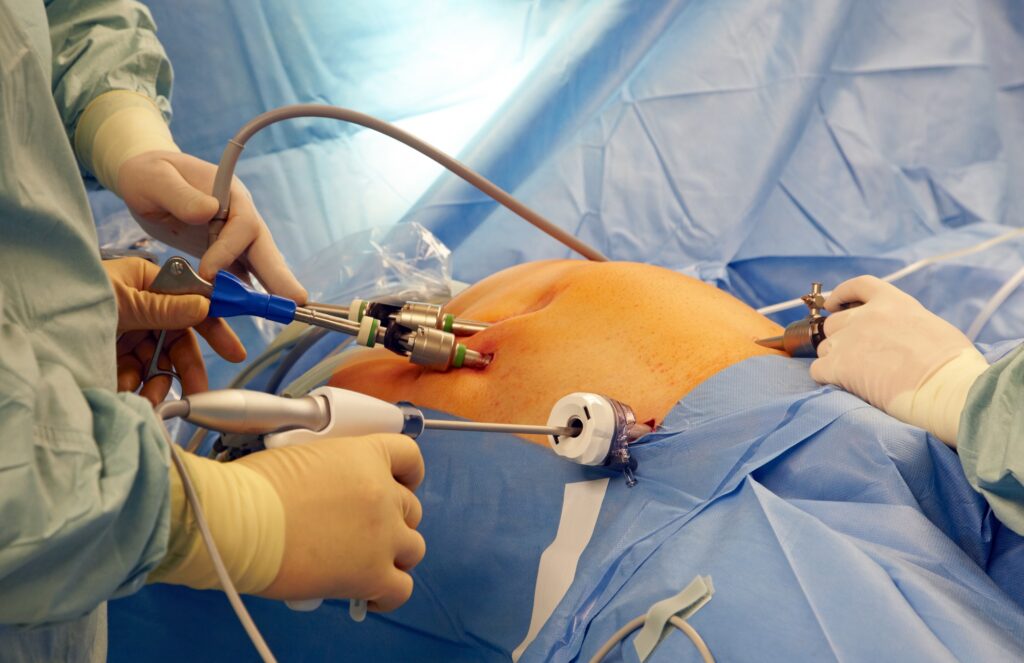
Frequently Asked Questions About Laparoscopic Surgeons: What Patients Should Know Laparoscopic surgery has become one of the most preferred techniques for a wide range of procedures, thanks to its minimally invasive approach and quicker recovery times. However, many patients have questions before undergoing this type of surgery. In this blog, we will explore some of the most frequently asked questions patients have about laparoscopic surgeons and what they should expect from the procedure.When seeking expert care, it’s essential to consult with highly qualified surgeons like Dr. Preethi Mrinalini, who is widely regarded as one of the best female surgeons in Chennai. At Marinas Clinic, her expertise in laparoscopic surgery has earned her a stellar reputation, making her a trusted name for patients looking for safe and successful outcomes.1. What Is Laparoscopic Surgery?Laparoscopic surgery, often referred to as minimally invasive surgery, involves the use of small incisions rather than large cuts, which are typical in traditional surgery. During the procedure, a laparoscope, which is a small tube with a camera, is inserted through these incisions, allowing the surgeon to view the organs on a monitor.This method results in smaller scars, reduced pain, and a faster recovery period compared to open surgery, making it a popular choice for many procedures like gallbladder removal, hernia repair, and bariatric surgery.2. How Do I Choose the Right Laparoscopic Surgeon?Choosing the right surgeon is crucial for a successful outcome. A few factors to consider include:Experience and credentials: Ensure that the surgeon is board-certified and has ample experience in performing laparoscopic procedures.Specialization: Some surgeons specialize in certain types of laparoscopic surgery, so find one who is experienced in the procedure you need.Patient reviews and recommendations: Personal testimonials and reviews from former patients can provide insight into the surgeon’s skill and bedside manner.Consultation: During your consultation, assess the surgeon’s ability to answer your questions, explain the procedure, and provide a clear understanding of risks and benefits.3. What Are the Benefits of Laparoscopic Surgery?Laparoscopic surgery offers numerous benefits:Minimally invasive: Smaller incisions reduce the likelihood of infection and minimize visible scarring.Less pain: The reduced trauma to the body means patients experience less post-operative pain.Quicker recovery: Since there is less tissue damage, recovery times are much shorter than with traditional surgery. Patients can often return to normal activities within a few weeks.Shorter hospital stay: Many laparoscopic procedures allow patients to go home the same day or after a short stay in the hospital.4. What Are the Risks of Laparoscopic Surgery?While laparoscopic surgery is generally considered safe, like any surgery, it carries certain risks. These may include:Infection: Although the incisions are small, infection is still possible.Bleeding: There’s a small chance of internal bleeding.Damage to surrounding organs: Rarely, surrounding organs like the intestines or bladder may be injured during surgery.Blood clots: Like any surgery, there’s a risk of developing blood clots.Your surgeon will discuss these risks with you and explain how they will minimize them during your procedure.5. How Long Does It Take to Recover?Recovery time after laparoscopic surgery varies depending on the type of procedure. However, most patients can return to work and normal activities within 1-2 weeks. In contrast, traditional surgery might require several weeks or even months of recovery.During the recovery period, you may be advised to avoid strenuous activities, heavy lifting, and certain foods (depending on the procedure). It’s important to follow your surgeon’s post-operative instructions carefully to ensure a smooth recovery.6. What Should I Expect During the Consultation?During your consultation with a laparoscopic surgeon, you can expect the following:Medical history review: The surgeon will take a detailed history of your health to ensure you are a good candidate for laparoscopic surgery.Explanation of the procedure: You’ll learn how the surgery will be performed, what to expect before and after, and any potential risks.Preoperative instructions: Your surgeon may provide instructions on fasting, medication adjustments, or pre-surgery tests like blood work or imaging.Take this opportunity to ask any questions you have and ensure you’re comfortable with the plan.7. Is Laparoscopic Surgery Suitable for Everyone?Laparoscopic surgery is a versatile approach used in many procedures, but it may not be suitable for everyone. Certain conditions, such as severe obesity, extensive scar tissue from previous surgeries, or advanced cancer, may make laparoscopic surgery more difficult or impossible. In these cases, traditional open surgery may be recommended.Your surgeon will determine whether laparoscopic surgery is the best option for you based on your medical history, current health status, and the type of procedure required.ConclusionLaparoscopic surgery offers many advantages, from smaller incisions to faster recovery times. When choosing a surgeon, it’s essential to find someone with the right experience, qualifications, and specialization. Dr. Preethi Mrinalini, a highly skilled laparoscopic surgeon at Marinas Clinic, is known for delivering exceptional care, making her one of the best female surgeons in Chennai. If you’re considering laparoscopic surgery, ensure you’re informed and comfortable with your surgeon’s approach to achieve the best outcome.Always consult with a qualified professional who can answer your questions and guide you through the process with confidence. Recent Posts Frequently Asked Questions About Laparoscopic Surgeons: What Patients Should Know 09 Sep 2024 Top 5 Non-Surgical Lipoma Treatment Options You Should Know 02 Sep 2024 An Interview with a Gastroenterologist on Anal Fissure Treatments 02 Sep 2024 Lipoma or Something Else? How to Identify and Differentiate Skin Lumps 26 Aug 2024 Colorectal Surgery: Myths vs. Facts – Debunking Common Misconceptions 26 Aug 2024 Have Any Question? Contact us +91 98840 00171 [email protected]
Top 5 Non-Surgical Lipoma Treatment Options You Should Know
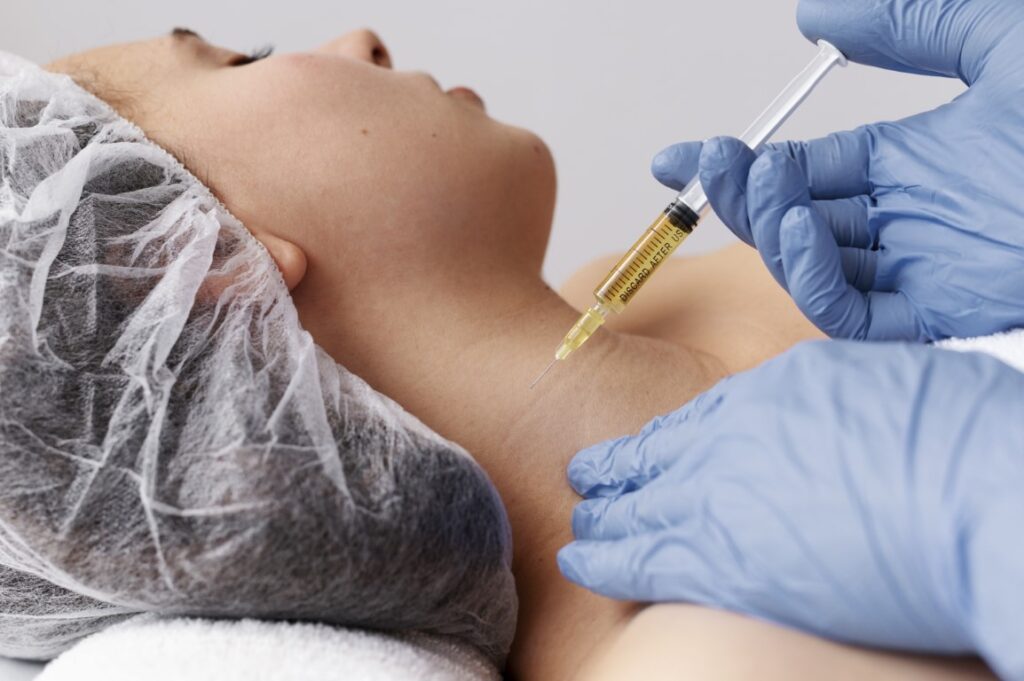
Top 5 Non-Surgical Lipoma Treatment Options You Should Know Lipomas are small, soft lumps of fatty tissue that form just under the skin. While they’re generally harmless, many people find them bothersome, either because of their appearance or because they cause discomfort. Traditionally, the most common way to deal with lipomas has been through surgery. But if you’re not keen on going under the knife, there are non-surgical options available that are less invasive and have quicker recovery times.In this blog, we’ll walk you through the top five non-surgical treatments for lipomas. But remember, it’s always best to consult with an experienced healthcare professional like Dr. Preethi Mrinalini at Marinas Clinic in Chennai to find out which option is best for you.1. Steroid InjectionsSteroid injections are a popular non-surgical option for treating lipomas. Here’s how it works: a doctor injects a corticosteroid directly into the lipoma. The steroid helps to shrink the lump by breaking down the fat cells inside it. While this method might not completely remove the lipoma, it can make it smaller and less noticeable. It’s a quick procedure that can usually be done right in the doctor’s office, making it a convenient choice for those with smaller lipomas or those in tricky spots where surgery might be more challenging.2. Fat-Dissolving Injections (Lipolysis)Another non-surgical option is fat-dissolving injections, often referred to as lipolysis. These injections use substances like phosphatidylcholine and deoxycholate to break down the fat cells in the lipoma. Once the fat cells are broken down, your body naturally absorbs and eliminates them. This treatment is especially effective for smaller lipomas and usually requires a few sessions for the best results. It’s a safe, minimally invasive option that offers a non-surgical way to reduce the size of a lipoma.3. Cryotherapy (Freezing Treatment)Cryotherapy is a treatment that uses extreme cold to destroy fat cells in the lipoma. During this procedure, liquid nitrogen is applied to the lipoma, freezing the fatty tissue. Over time, the frozen cells die and are gradually absorbed by your body, causing the lipoma to shrink. Cryotherapy is generally quick, with minimal discomfort, and is a great option for those looking for a non-invasive treatment that doesn’t require a long recovery period.4. Ultrasound TherapyUltrasound therapy, or High-Intensity Focused Ultrasound (HIFU), is a modern technique that uses sound waves to target and break down the fat cells in a lipoma. What’s great about ultrasound therapy is that it’s completely non-invasive—no needles or cuts are involved. This treatment is particularly useful for larger lipomas or those located in areas that make surgical removal difficult. It may take a few sessions to see significant results, but the recovery time is minimal, and the risk of complications is low.5. Natural RemediesFor those who prefer a more natural approach, some people turn to herbal treatments and other home remedies. Ingredients like turmeric, chickweed, and apple cider vinegar are popular choices, as they’re believed to have anti-inflammatory properties that might help shrink lipomas. Essential oils like frankincense and tea tree oil are also sometimes used topically. However, it’s important to remember that while these remedies are natural, they might not be as effective as medical treatments. Always talk to your doctor before trying any home remedies to make sure they’re safe for you.ConclusionWhile surgery is often seen as the most effective way to remove a lipoma, there are plenty of non-surgical options available if you’re looking for something less invasive. Whether it’s steroid injections, fat-dissolving injections, cryotherapy, ultrasound therapy, or even natural remedies, you have several choices to consider.Before deciding on any treatment, it’s important to consult with a healthcare professional who can guide you based on your specific needs. Dr. Preethi Mrinalini at Marinas Clinic in Chennai is a leading expert in lipoma treatment and can help you explore the best options. As one of the best female surgeons in Chennai, she offers personalized care and expert advice to ensure you get the treatment that’s right for you.If you’re thinking about non-surgical treatments for a lipoma, don’t hesitate to reach out to Dr. Preethi Mrinalini at Marinas Clinic. Schedule your consultation today to find the best path forward for your health and well-bei Recent Posts Top 5 Non-Surgical Lipoma Treatment Options You Should Know 02 Sep 2024 An Interview with a Gastroenterologist on Anal Fissure Treatments 02 Sep 2024 Lipoma or Something Else? How to Identify and Differentiate Skin Lumps 26 Aug 2024 Colorectal Surgery: Myths vs. Facts – Debunking Common Misconceptions 26 Aug 2024 How to Choose the Right Thyroid Specialist: Key Factors to Consider 21 Aug 2024 Have Any Question? Contact us +91 98840 00171 [email protected]
An Interview with a Gastroenterologist on Anal Fissure Treatments

An Interview with a Gastroenterologist on Anal Fissure Treatments Anal fissures are a common yet often misunderstood condition that can cause significant discomfort and anxiety. To shed light on this topic, we sat down with Dr. Preethi Mrinalini, a renowned gastroenterologist and surgeon at Marinas Clinic, widely recognized as the best female surgeon in Chennai. Dr. Preethi Mrinalini has treated countless patients with anal fissures and offers a wealth of knowledge on the most effective treatments and preventive measures.Understanding Anal FissuresAn anal fissure is a small tear in the lining of the anus, which can cause pain and bleeding during bowel movements. It’s a condition that can affect people of all ages, but it’s particularly common in young adults and middle-aged individuals. The most typical cause is the passage of hard or large stools, but chronic diarrhea, inflammation, and even childbirth can contribute to the development of fissures.Dr. Preethi explains, “Anal fissures often present with symptoms such as sharp pain during defecation, followed by a burning sensation that can last for hours. Some patients also notice bright red blood on the toilet paper or in the stool.” These symptoms can be distressing, leading many to seek medical attention, sometimes even assuming they might have more serious conditions like hemorrhoids or colorectal cancer.Initial Treatments and Lifestyle ModificationsWhen asked about the first steps in treating anal fissures, Dr. Mrinalini emphasized the importance of lifestyle modifications. “The initial treatment for most patients involves dietary changes to soften stools and reduce straining during bowel movements,” she says. A diet rich in fiber, coupled with adequate fluid intake, can significantly reduce the risk of fissures recurring.Dr. Preethi also recommends the use of stool softeners and bulk-forming agents like psyllium husk, which can help in making bowel movements less painful. “Regular exercise and avoiding prolonged sitting can also play a role in preventing anal fissures,” she adds.Topical Treatments and MedicationsFor patients who do not respond to lifestyle changes alone, Dr. Mrinalini often prescribes topical treatments. “Nitroglycerin ointment is a common first-line treatment,” she explains. “It helps to increase blood flow to the area, which can promote healing and reduce pain.” Other topical treatments include calcium channel blockers, which also relax the anal sphincter muscle and improve blood flow.Dr. Preethi notes that these treatments are generally effective, but they need to be used consistently. “Patients must apply these ointments as directed, usually for several weeks, to achieve the best results. If the pain is severe, I may also prescribe analgesics or recommend sitz baths to provide relief.”When Surgery Becomes NecessaryWhile most anal fissures can be managed with non-surgical treatments, some cases require surgical intervention. “Surgery is usually reserved for chronic fissures that haven’t healed despite other treatments or for those that cause severe pain,” Dr. Preethi says. The most common surgical procedure is lateral internal sphincterotomy, where a small portion of the anal sphincter muscle is cut to reduce spasm and pain, allowing the fissure to heal.“Sphincterotomy has a high success rate, with most patients experiencing relief within a few weeks,” Dr. Preethi explains. However, she also points out that, like any surgery, it carries risks. “There’s a small risk of incontinence, especially if the procedure isn’t performed correctly. That’s why it’s crucial to choose an experienced surgeon.”Post-Treatment Care and PreventionPost-treatment care is vital for ensuring a full recovery and preventing recurrence. Dr. Mrinalini advises her patients to continue with a high-fiber diet and stay hydrated even after their fissure has healed. “It’s important to maintain these healthy habits to avoid future issues,” she says. She also recommends regular follow-ups to monitor healing and address any concerns.Dr. Preethi emphasizes the importance of being attentive to the early signs of anal fissures. “If you notice any symptoms like pain during bowel movements or blood in your stool, don’t hesitate to seek medical advice. Early treatment can prevent complications and the need for surgery.”ConclusionAnal fissures can be painful and distressing, but with the right treatment and care, they can be effectively managed. Dr. Preethi Mrinalini, who practices at Marinas Clinic and is regarded as the best female surgeon in Chennai, has extensive experience in treating this condition. Her insights highlight the importance of early intervention, lifestyle changes, and, when necessary, surgical options for achieving relief and preventing recurrence. For anyone experiencing symptoms, consulting with a qualified surgeon is the first step toward a pain-free future. Recent Posts Top 5 Non-Surgical Lipoma Treatment Options You Should Know 02 Sep 2024 An Interview with a Gastroenterologist on Anal Fissure Treatments 02 Sep 2024 Lipoma or Something Else? How to Identify and Differentiate Skin Lumps 26 Aug 2024 Colorectal Surgery: Myths vs. Facts – Debunking Common Misconceptions 26 Aug 2024 How to Choose the Right Thyroid Specialist: Key Factors to Consider 21 Aug 2024 Have Any Question? Contact us +91 98840 00171 [email protected]
Lipoma or Something Else? How to Identify and Differentiate Skin Lumps

Peripheral Vascular Disease: Understanding the Symptoms and Risk Factors When it comes to skin lumps, identifying the nature of the growth can be a bit perplexing. Is it a harmless lipoma, or could it be something more concerning? Dr. Preethi Mrinalini, one of the best female surgeons in Chennai at Marinas Clinic, often encounters patients who are anxious about their skin lumps and unsure about the right course of action. Understanding the differences between various types of skin lumps is crucial for proper diagnosis and treatment. In this blog, we’ll explore how to identify and differentiate between lipomas and other types of skin lumps. What is a Lipoma?A lipoma is a benign tumor composed of fatty tissue. It is typically soft, movable, and located just beneath the skin. Lipomas are usually slow-growing and painless, although they can sometimes cause discomfort if they press on nearby structures. They are the most common type of soft tissue tumor and are generally not considered dangerous. Key Characteristics of Lipomas: Soft and Squishy: Lipomas feel soft and may be easily moved under the skin. Slow Growth: They tend to grow slowly over time. Painless: They usually don’t cause pain, although larger lipomas might be uncomfortable. Located Under the Skin: Lipomas are found just beneath the skin, making them palpable. Differentiating Lipomas from Other Skin LumpsWhile lipomas are quite common, there are other types of skin lumps that may require medical attention. Here’s a guide to help differentiate lipomas from other potential growths: CystsCysts are closed sacs filled with fluid, semi-solid material, or air. They are typically round and can be tender or painful when touched. Unlike lipomas, cysts can be inflamed or infected, leading to redness and increased sensitivity. Characteristics of Cysts: Fluid-Filled: They contain a fluid or semi-solid substance. Tenderness: They can be painful or tender to the touch. Possible Inflammation: They might show signs of infection like redness and warmth. AbscessesAbscesses are localized infections that can occur when bacteria enter the skin, causing a pus-filled cavity to form. They are often swollen, warm to the touch, and painful. Unlike lipomas, abscesses generally require antibiotic treatment or drainage. Characteristics of Abscesses: Warm and Painful: They are often warm and tender. Pus Formation: They may have a yellow or greenish pus. Inflammation: The surrounding skin might be red and swollen. Skin TumorsSkin tumors can be malignant (cancerous) or benign. Malignant tumors may present with irregular borders, asymmetry, and changes in color. They often grow quickly and may cause pain or bleeding. Regular monitoring and biopsy are essential for accurate diagnosis. Characteristics of Skin Tumors: Irregular Borders: They may have uneven edges. Asymmetry: One half of the lump may look different from the other. Color Changes: Tumors can vary in color, including shades of brown, black, or red. Other Benign TumorsApart from lipomas, there are other benign tumors like neurofibromas or dermatofibromas. These lumps might feel different from lipomas and can vary in texture. Neurofibromas are usually firm and attached to nerves, while dermatofibromas feel like hard nodules. Characteristics of Other Benign Tumors: Firm Texture: They may feel firmer than lipomas. Attachment: Some may be attached to nerves or other tissues. Different Sizes and Shapes: They can vary widely in appearance. When to Seek Medical AdviceWhile many skin lumps are benign, it’s crucial to consult a healthcare professional for an accurate diagnosis, especially if you notice any of the following: Rapid growth of the lump Significant pain or tenderness Changes in the lump’s appearance or color Associated symptoms like fever or general malaise Dr. Preethi Mrinalini, renowned as one of the best female surgeons in Chennai, offers expert evaluation and treatment at Marinas Clinic. She emphasizes the importance of a thorough examination to determine the nature of the lump and recommend appropriate treatment options. ConclusionIdentifying and differentiating skin lumps can be challenging, but understanding the key characteristics of lipomas and other growths can help in recognizing when to seek medical attention. If you have any concerns about a skin lump or need a professional evaluation, don’t hesitate to contact Dr. Preethi Mrinalini at Marinas Clinic. Her expertise as a leading surgeon in Chennai ensures that you receive accurate diagnosis and effective treatment for your condition. Recent Posts Lipoma or Something Else? How to Identify and Differentiate Skin Lumps 26 Aug 2024 Colorectal Surgery: Myths vs. Facts – Debunking Common Misconceptions 26 Aug 2024 How to Choose the Right Thyroid Specialist: Key Factors to Consider 21 Aug 2024 The Importance of Regular Health Checkups: What You Need to Know 21 Aug 2024 Explore Emerging Technologies and Techniques in Hernia Repair and Management 12 Aug 2024 Have Any Question? Contact us +91 98840 00171 [email protected]
Colorectal Surgery: Myths vs. Facts – Debunking Common Misconceptions
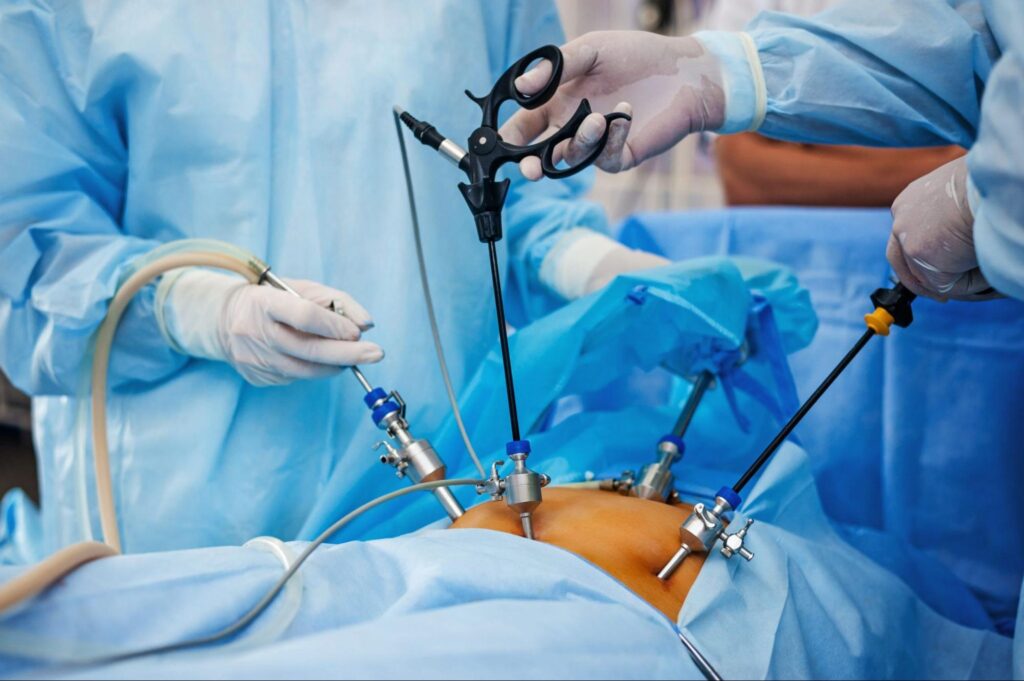
Colorectal Surgery: Myths vs. Facts – Debunking Common Misconceptions Colorectal surgery is a vital field that addresses a range of conditions affecting the colon, rectum, and anus. Despite its importance, there are numerous misconceptions surrounding it that can lead to unnecessary anxiety or misinformation. Dr. Preethi Mrinalini, a leading expert and one of the best female surgeons in Chennai, frequently encounters these myths at Marinas Clinic. Let’s delve into some common myths about colorectal surgery and uncover the truths behind them. Myth 1: Colorectal Surgery is Only for Cancer PatientsOne of the most prevalent myths is that colorectal surgery is exclusively for cancer patients. While colorectal cancer is a significant concern and often requires surgical intervention, colorectal surgery also addresses a variety of other conditions. These include inflammatory bowel diseases like Crohn’s disease and ulcerative colitis, diverticulitis, hemorrhoids, and chronic constipation. Many of these conditions can be managed effectively through surgery, improving the patient’s quality of life significantly. Myth 2: The Recovery from Colorectal Surgery is Extremely PainfulMany people fear that recovery from colorectal surgery will be excessively painful. However, advances in surgical techniques, such as minimally invasive laparoscopic surgery, have significantly reduced postoperative pain and recovery times. Modern pain management strategies, including medications and nerve blocks, also help alleviate discomfort. Most patients experience manageable pain and can return to their normal activities much quicker than they anticipate. Myth 3: You’ll Need a Colostomy Bag After SurgeryA common misconception is that all colorectal surgeries result in the need for a colostomy bag. This is not the case. While some surgeries may require a temporary colostomy to allow the colon to heal, many procedures are performed to preserve normal bowel function. Surgeons like Dr. Preethi Mrinalini, renowned as one of the best female surgeons in Chennai, strive to minimize the need for a colostomy through careful surgical planning and advanced techniques. Myth 4: Colorectal Surgery is Only for the ElderlyAnother myth is that colorectal surgery is primarily for elderly patients. In reality, colorectal issues can affect individuals of all ages. Young adults and even teenagers may require colorectal surgery due to conditions like Crohn’s disease or genetic disorders. Early diagnosis and treatment are crucial for effective management, regardless of age. Modern surgical practices are tailored to accommodate patients from various age groups, ensuring appropriate care for everyone. Myth 5: You Can’t Resume Normal Activities After SurgeryThere is a belief that patients will be unable to resume their normal activities after colorectal surgery. While it’s true that some limitations may apply during the initial recovery phase, most patients can return to their regular routines relatively quickly. With proper guidance from healthcare professionals and adherence to postoperative care instructions, many individuals resume their usual activities, including work and exercise, within a few weeks. Myth 6: Colorectal Surgery is Always a Last ResortSome people think that colorectal surgery is only considered when all other treatments have failed. Surgical intervention is often part of a comprehensive treatment plan that may include medication, lifestyle changes, and other therapies. Early surgical intervention can sometimes prevent more severe issues and improve overall outcomes. Surgeons assess each case individually to determine the most appropriate course of action, whether it involves surgery or other treatments. Myth 7: Postoperative Complications are CommonFear of complications can deter people from considering colorectal surgery. While it is true that, like any surgery, there are risks involved, complications are not as common as one might think. Advances in surgical techniques and improved postoperative care have reduced the incidence of complications significantly. Surgeons at Marinas Clinic, including Dr. Preethi Mrinalini, take extensive measures to minimize risks and ensure a smooth recovery process for their patients. ConclusionColorectal surgery is a complex field, but understanding the facts can help dispel the myths and reduce anxiety for patients. Dr. Preethi Mrinalini, one of the best female surgeons in Chennai at Marinas Clinic, plays a crucial role in educating patients and providing expert care. By debunking these common misconceptions, we hope to offer a clearer perspective on colorectal surgery and encourage those in need to seek the help they deserve with confidence. Recent Posts Lipoma or Something Else? How to Identify and Differentiate Skin Lumps 26 Aug 2024 Colorectal Surgery: Myths vs. Facts – Debunking Common Misconceptions 26 Aug 2024 How to Choose the Right Thyroid Specialist: Key Factors to Consider 21 Aug 2024 The Importance of Regular Health Checkups: What You Need to Know 21 Aug 2024 Explore Emerging Technologies and Techniques in Hernia Repair and Management 12 Aug 2024 Have Any Question? Contact us +91 98840 00171 [email protected]
How to Choose the Right Thyroid Specialist: Key Factors to Consider
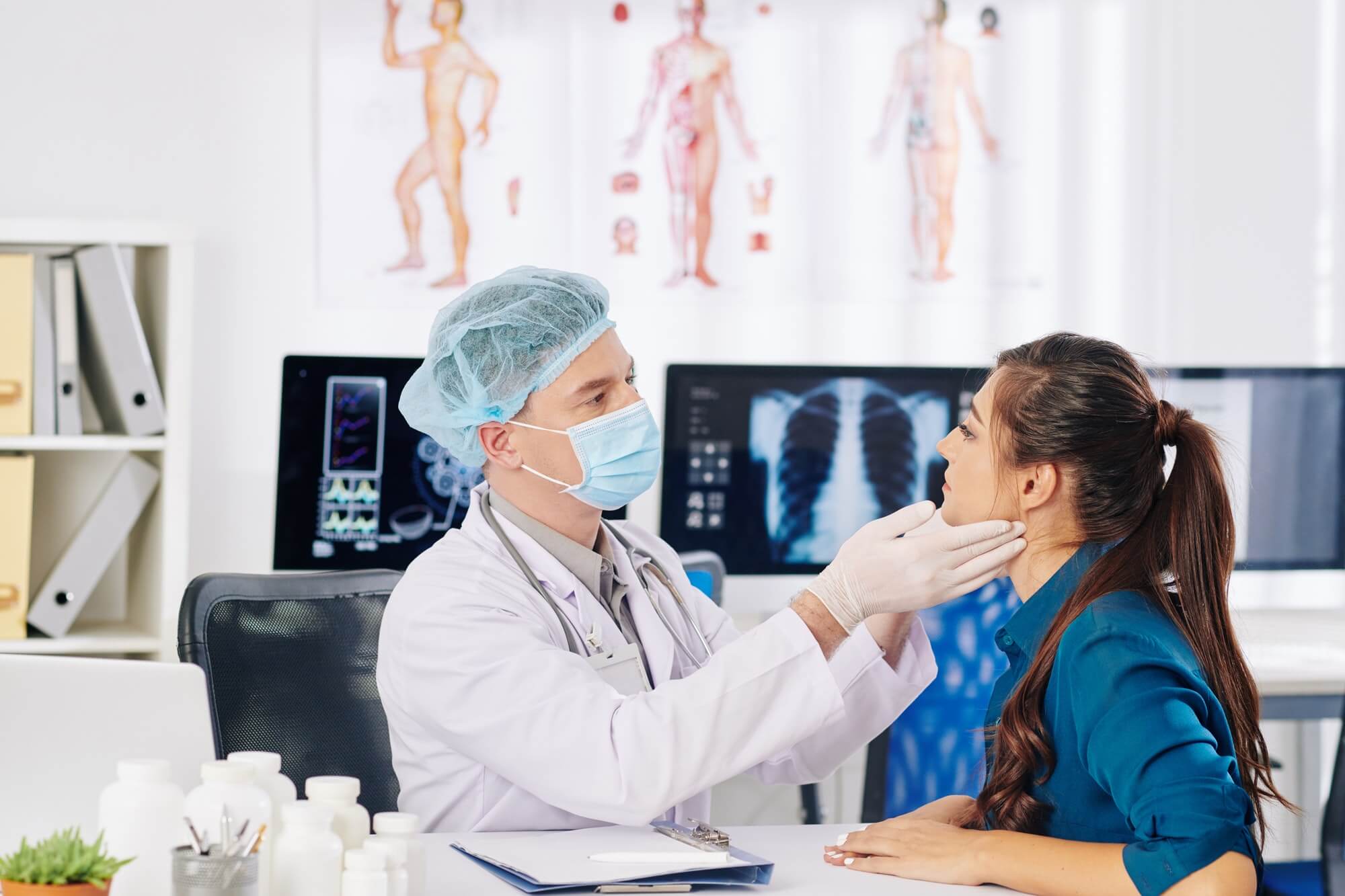
How to Choose the Right Thyroid Specialist: Key Factors to Consider When it comes to managing thyroid health, choosing the right specialist is critical. The thyroid gland, though small, plays a pivotal role in regulating various bodily functions, and any dysfunction can significantly impact your overall well-being. Whether you’re dealing with hyperthyroidism, hypothyroidism, or a more complex thyroid condition, the expertise of a qualified thyroid specialist can make a substantial difference in your treatment and recovery. In Chennai, where healthcare options abound, finding the right thyroid specialist may seem daunting. But with careful consideration of key factors, you can make an informed decision that aligns with your healthcare needs. Renowned specialists like Dr. Preethi Mrinalini, who practices at Marinas Clinic, stand out for their expertise and commitment to patient care. As one of the best female surgeons in Chennai, Dr. Mrinalini exemplifies the qualities you should look for in a thyroid specialist. 1. Specialization and ExperienceWhen selecting a thyroid specialist, it’s essential to consider their specialization and experience. Thyroid disorders can be complex, and a doctor with a focused practice in endocrinology or surgery related to the thyroid gland will have a deeper understanding of these conditions. Look for a specialist who has substantial experience in diagnosing and treating a variety of thyroid disorders, including both common and rare cases. Experience often correlates with better outcomes, as seasoned professionals are more adept at handling complications and tailoring treatments to individual patients. 2. Credentials and QualificationsThe qualifications of your thyroid specialist are another crucial factor. Board certification in endocrinology, surgery, or a related field is a strong indicator of the doctor’s expertise. Additionally, affiliation with reputable hospitals or clinics can provide further assurance of their competence. For instance, a specialist practicing at a well-regarded clinic like Marinas Clinic is likely to have access to the latest technology and research, enhancing the quality of care you receive. 3. Approach to TreatmentThyroid disorders often require long-term management, so it’s important to choose a specialist whose approach to treatment aligns with your personal preferences. Some patients prefer a conservative approach with a focus on lifestyle changes and medication, while others might need or opt for surgical interventions. A good thyroid specialist will discuss all available options with you, explaining the benefits and risks of each. They should also involve you in the decision-making process, ensuring that you feel comfortable and informed about your treatment plan. 4. Patient Reviews and TestimonialsReading patient reviews and testimonials can provide valuable insights into a specialist’s practice. While every doctor may have a mix of positive and negative reviews, consistent themes can give you an idea of what to expect. Pay attention to feedback on the doctor’s communication skills, bedside manner, and the effectiveness of their treatments. A specialist with a strong track record of satisfied patients is likely to provide high-quality care. 5. Accessibility and ConveniencePractical considerations, such as the location of the specialist’s clinic and the ease of scheduling appointments, are also important. Managing a thyroid condition may require frequent visits to your doctor, so choosing a specialist with a conveniently located practice can reduce stress and improve compliance with your treatment plan. Additionally, consider the availability of telemedicine options, which can offer flexibility in managing your condition, especially if you have a busy schedule or mobility challenges. 6. Communication and CompassionEffective communication between you and your thyroid specialist is crucial for successful treatment. The specialist should be able to explain complex medical information in a way that is easy to understand and should be willing to answer your questions thoroughly. Compassion and empathy are equally important, as dealing with a thyroid disorder can be emotionally taxing. A specialist who listens to your concerns and treats you with respect can make the treatment process more manageable and less stressful. 7. Availability of Comprehensive CareThyroid disorders often require a multidisciplinary approach, involving endocrinologists, surgeons, radiologists, and other healthcare providers. Choosing a specialist who is part of a comprehensive care team ensures that you receive well-rounded treatment. This collaborative approach can be particularly beneficial if your condition requires surgery, imaging studies, or other specialized care. Clinics like Marinas Clinic offer integrated care, providing access to various specialists under one roof, which can streamline your treatment process. ConclusionSelecting the right thyroid specialist is a decision that can significantly impact your health and quality of life. By considering factors such as specialization, experience, patient reviews, and communication, you can find a specialist who meets your needs and provides the best possible care. In Chennai, experts like Dr. Preethi Mrinalini, known for her expertise at Marinas Clinic, exemplify the qualities to look for in a thyroid specialist. As the best female surgeon in Chennai, Dr. Mrinalini’s commitment to patient-centered care ensures that you are in capable hands as you navigate your thyroid health journey. Recent Posts How to Choose the Right Thyroid Specialist: Key Factors to Consider 21 Aug 2024 The Importance of Regular Health Checkups: What You Need to Know 21 Aug 2024 Explore Emerging Technologies and Techniques in Hernia Repair and Management 12 Aug 2024 Expert Insights: An Interview with a Leading Hernia Specialist 12 Aug 2024 Preventative Measures: How to Avoid Morbid Obesity in Future Generations 05 Aug 2024 Have Any Question? Contact us +91 98840 00171 [email protected]
The Importance of Regular Health Checkups: What You Need to Know

The Importance of Regular Health Checkups: What You Need to Know In today’s fast-paced world, where time often feels like a luxury, it’s easy to overlook the importance of regular health checkups. However, these routine evaluations play a crucial role in maintaining overall well-being and preventing serious health issues before they become life-threatening. Dr. Preethi Mrinalini, a leading figure at Marinas Clinic and widely recognized as the best female surgeon in Chennai, strongly advocates for regular health checkups as a proactive approach to health management. Understanding why these checkups are important and what they entail can empower you to take control of your health effectively. The Role of Regular Health Checkups in Disease PreventionOne of the primary benefits of regular health checkups is the early detection and prevention of diseases. Many serious conditions, such as hypertension, diabetes, and certain cancers, develop gradually and often remain asymptomatic in their early stages. A health checkup can identify potential risks and abnormalities before they manifest as full-blown diseases, allowing for timely intervention. Regular screenings and tests can detect changes in the body that might not be noticeable in daily life, providing a crucial opportunity to take corrective measures early on. Understanding Your Health ProfileA regular health checkup provides a comprehensive overview of your health profile. By monitoring various health parameters such as blood pressure, cholesterol levels, blood sugar, and body mass index (BMI), you can track your health trends over time. This information is invaluable in managing chronic conditions and making informed lifestyle choices. For instance, a sudden spike in blood pressure or an increase in cholesterol levels might prompt dietary changes or the initiation of medication, helping to prevent more serious complications like heart disease or stroke. Building a Relationship with Your Healthcare ProviderRegular checkups foster a strong relationship between you and your healthcare provider. This ongoing interaction allows your doctor to become familiar with your health history, making it easier to notice subtle changes or patterns that could indicate a problem. Trust and communication are key components of effective healthcare, and regular visits to your doctor help build that foundation. With a trusted provider like Dr. Preethi Mrinalini, who is renowned for her expertise and compassionate care at Marinas Clinic, you can feel confident that your health is in capable hands. Mental Health: An Integral Part of Your CheckupWhile physical health is often the primary focus of regular checkups, mental health should not be overlooked. Mental health conditions such as anxiety and depression are increasingly common and can significantly impact your quality of life. Regular health checkups provide an opportunity to discuss any mental health concerns with your doctor. Early detection and treatment of mental health issues can prevent them from escalating and affecting your overall well-being. Your healthcare provider can offer support, resources, and referrals to specialists if necessary, ensuring that your mental health receives the attention it deserves. Customized Health PlansEvery individual is unique, and so are their health needs. Regular health checkups allow your healthcare provider to develop a personalized health plan tailored to your specific requirements. Factors such as age, gender, family history, and lifestyle choices all influence your health risks. A customized health plan takes these factors into account, ensuring that you receive the most relevant screenings and advice. For example, women may require different screenings than men, and someone with a family history of heart disease might need more frequent cardiovascular assessments. By tailoring your health checkup to your specific needs, you can focus on the areas that are most critical to your long-term health. Health Checkups as a Motivator for Healthy LivingKnowing that you have a health checkup coming up can serve as a powerful motivator to maintain healthy habits. Regular checkups can reinforce the importance of a balanced diet, regular exercise, and avoiding harmful behaviors such as smoking or excessive alcohol consumption. When you see positive results from your efforts, it can encourage you to continue on your path to a healthier lifestyle. Conversely, if your checkup reveals areas for improvement, it can provide the wake-up call needed to make necessary changes. ConclusionIn conclusion, regular health checkups are a vital component of preventive healthcare, offering numerous benefits from early disease detection to the management of chronic conditions. By staying informed about your health status and maintaining a close relationship with a trusted healthcare provider like Dr. Preethi Mrinalini at Marinas Clinic, you can take proactive steps to safeguard your well-being. As the best female surgeon in Chennai, Dr. Preethi Mrinalini emphasizes the importance of regular checkups as a means to not only extend your life but to improve the quality of the life you lead. Don’t wait for symptoms to appear—make regular health checkups a priority and invest in a healthier future. Recent Posts How to Choose the Right Thyroid Specialist: Key Factors to Consider 21 Aug 2024 The Importance of Regular Health Checkups: What You Need to Know 21 Aug 2024 Explore Emerging Technologies and Techniques in Hernia Repair and Management 12 Aug 2024 Expert Insights: An Interview with a Leading Hernia Specialist 12 Aug 2024 Preventative Measures: How to Avoid Morbid Obesity in Future Generations 05 Aug 2024 Have Any Question? Contact us +91 98840 00171 [email protected]
Explore Emerging Technologies and Techniques in Hernia Repair and Management

Explore Emerging Technologies and Techniques in Hernia Repair and Management Hernia repair has witnessed significant advancements over the past decade, driven by emerging technologies and innovative surgical techniques. As one of the most common surgical procedures, hernia repair continues to evolve, offering patients better outcomes, faster recovery times, and fewer complications. In this blog, we’ll explore some of the latest technologies and techniques that are shaping the future of hernia repair and management. As a leading figure in the field, Dr. Preethi Mrinalini, associated with Marinas Clinic, is at the forefront of these advancements. Recognized as the best female surgeon in Chennai, Dr. Mrinalini combines her extensive expertise with cutting-edge technologies to provide her patients with the best possible care. 1. Laparoscopic Hernia RepairLaparoscopic hernia repair has become a gold standard for many types of hernias, offering a minimally invasive alternative to traditional open surgery. This technique involves making small incisions through which a laparoscope (a tiny camera) and specialized surgical instruments are inserted. The camera provides a magnified view of the hernia, allowing the surgeon to repair it with precision. The benefits of laparoscopic repair include reduced postoperative pain, shorter hospital stays, quicker return to normal activities, and lower risk of infection. This technique is particularly advantageous for patients with bilateral or recurrent hernias, as both sides can often be repaired during the same procedure. 2. Robotic-Assisted Hernia RepairRobotic surgery has revolutionized various fields of medicine, including hernia repair. The robotic-assisted technique offers enhanced precision and control, which is crucial for complex hernia cases. Using a robotic system, the surgeon controls robotic arms that hold the surgical instruments. These arms can make finer movements than human hands, allowing for more precise tissue dissection and suturing. Robotic-assisted hernia repair is especially beneficial for ventral and incisional hernias, where the anatomy may be more challenging. Patients often experience less postoperative pain, a quicker recovery, and a reduced risk of hernia recurrence. 3. Tension-Free Mesh RepairOne of the key advancements in hernia repair is the use of tension-free mesh. Traditional hernia repairs often involved stitching the edges of the muscle or tissue together, which could cause tension and increase the risk of recurrence. The introduction of synthetic mesh has transformed this approach. In tension-free mesh repair, the mesh is placed over or under the hernia defect and secured in place. The mesh acts as a scaffold, allowing the tissue to grow into it and reinforce the area. This technique reduces tension on the surrounding tissues, leading to lower recurrence rates and faster recovery. The development of lightweight and biologic meshes has further improved outcomes, providing options tailored to individual patient needs. 4. Enhanced Recovery After Surgery (ERAS) ProtocolsEmerging technologies are not limited to the operating room; they also extend to the overall management of hernia patients. Enhanced Recovery After Surgery (ERAS) protocols are designed to optimize patient outcomes and accelerate recovery. These protocols involve a multidisciplinary approach, including preoperative education, optimized pain management, and early mobilization. By incorporating ERAS protocols, surgeons can reduce the length of hospital stays, minimize complications, and enhance patient satisfaction. This holistic approach to hernia management is becoming increasingly popular among leading healthcare providers. 5. Bioabsorbable MeshesWhile synthetic meshes have become standard in hernia repair, bioabsorbable meshes represent a significant innovation. These meshes are designed to be absorbed by the body over time, leaving behind a reinforced, naturally healed tissue. Bioabsorbable meshes offer an excellent option for patients who may be at risk for mesh-related complications or for those who prefer a more natural approach to healing. The use of bioabsorbable meshes is particularly advantageous in younger patients or those with smaller hernias, where long-term mesh presence may not be necessary. The ongoing research and development in this area continue to refine the materials and applications of these meshes. ConclusionThe field of hernia repair is rapidly evolving, with emerging technologies and techniques offering patients better outcomes and faster recovery. From laparoscopic and robotic-assisted surgeries to tension-free mesh repair and bioabsorbable meshes, these innovations are shaping the future of hernia management. At the forefront of these advancements is Dr. Preethi Mrinalini, a renowned surgeon in Chennai, who practices at Marinas Clinic. Her commitment to integrating the latest technologies into her practice ensures that her patients receive the highest standard of care. As the best female surgeon in Chennai, Dr. Mrinalini continues to lead the way in providing innovative and effective solutions for hernia repair and management. Recent Posts Explore Emerging Technologies and Techniques in Hernia Repair and Management 12 Aug 2024 Expert Insights: An Interview with a Leading Hernia Specialist 12 Aug 2024 Preventative Measures: How to Avoid Morbid Obesity in Future Generations 05 Aug 2024 Dieting for Health: Effective Meal Plans for Morbid Obesity Management 05 Aug 2024 The Importance of Hydration in Managing Hemorrhoids 30 Jul 2024 Have Any Question? Contact us +91 98840 00171 [email protected]
Expert Insights: An Interview with a Leading Hernia Specialist
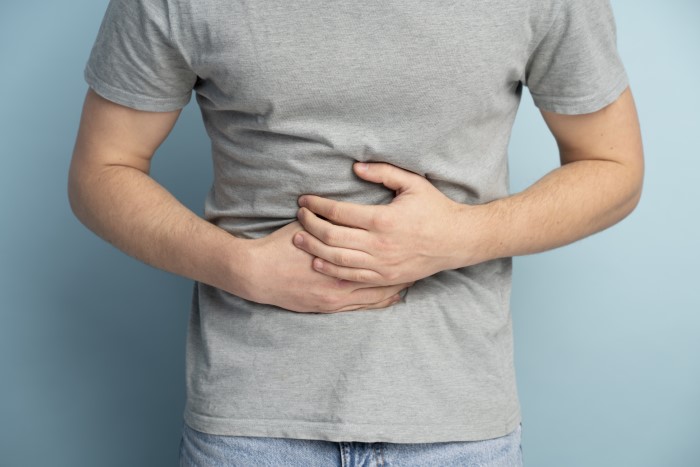
Expert Insights: An Interview with a Leading Hernia Specialist In the ever-evolving field of surgery, hernia repair stands as a critical area where precision and expertise can make a significant difference in patient outcomes. To shed light on this important topic, we had the privilege of speaking with Dr. Preethi Mrinalini, a renowned surgeon at Marinas Clinic in Chennai. Recognized as one of the best female surgeons in Chennai, Dr. Mrinalini shares her insights on hernia management, the latest advancements in surgical techniques, and what patients should consider when seeking treatment. Understanding Hernias: A Common but Serious ConditionHernias occur when an organ or tissue pushes through a weak spot in the surrounding muscle or connective tissue. While they are common, hernias can lead to severe complications if left untreated. Dr. Preethi Mrinalini explains, “Hernias might seem benign at first, but they can lead to life-threatening conditions if not properly managed. The key to successful treatment lies in early detection and choosing the right surgical approach.” Types of Hernias and Their TreatmentsThere are several types of hernias, including inguinal, femoral, umbilical, and hiatal hernias. Each type requires a specific approach to treatment. Dr. Mrinalini emphasizes the importance of personalized care: “Every hernia is unique, and so is every patient. At Marinas Clinic, we focus on tailoring the treatment plan to each individual, considering factors such as the hernia’s location, size, and the patient’s overall health.”When it comes to surgical repair, Dr. Mrinalini is a strong advocate for minimally invasive techniques. “Laparoscopic surgery has revolutionized hernia repair. It allows for smaller incisions, less post-operative pain, and quicker recovery times. However, it’s crucial to assess each case individually to determine whether laparoscopic or open surgery is the best option.” The Role of Emerging Technologies in Hernia RepairThe field of hernia surgery has seen significant advancements in recent years, with new technologies enhancing the precision and effectiveness of treatments. Dr. Mrinalini discusses the impact of these innovations: “Robotic-assisted surgery is one of the most exciting developments in our field. It provides the surgeon with enhanced dexterity and precision, which is particularly beneficial in complex hernia repairs. This technology allows us to perform intricate procedures with greater control, reducing the risk of complications.”She also mentions the use of advanced imaging techniques for better diagnosis and planning. “High-resolution imaging tools help us get a clearer picture of the hernia and its surrounding structures. This level of detail is invaluable in planning the surgery and ensuring the best possible outcome for the patient.” Patient-Centered Care: The Heart of Effective Hernia ManagementBeyond the technical aspects of surgery, Dr. Preethi Mrinalini highlights the importance of patient-centered care in hernia management. “Surgery is not just about repairing the physical defect; it’s about addressing the patient’s overall well-being. We take the time to educate our patients about their condition, the available treatment options, and what they can expect during the recovery process. This holistic approach helps alleviate anxiety and empowers patients to make informed decisions about their health.”Dr. Mrinalini also stresses the importance of post-operative care. “Recovery doesn’t end when the surgery is over. We closely monitor our patients’ progress and provide comprehensive support during their recovery period. This includes pain management, physical therapy if needed, and regular follow-ups to ensure that the patient is healing well.” Advice for Patients Considering Hernia SurgeryFor those who suspect they might have a hernia or have been diagnosed with one, Dr. Mrinalini offers some valuable advice. “Don’t ignore the symptoms, and don’t delay seeking medical attention. Early intervention is key to preventing complications. Make sure to choose a surgeon who has extensive experience in hernia repair, and don’t hesitate to ask about the different treatment options available.”She adds, “It’s also important to consider the long-term impact of the surgery. A successful hernia repair not only resolves the immediate problem but also reduces the risk of recurrence. This is why choosing the right surgical approach and adhering to post-operative care instructions are so crucial.” ConclusionHernia repair is a specialized field that requires both technical expertise and a compassionate approach to patient care. As one of the best female surgeons in Chennai, Dr. Preethi Mrinalini at Marinas Clinic exemplifies this combination, offering her patients cutting-edge treatments and personalized care. For anyone facing a hernia diagnosis, seeking out an experienced surgeon like Dr. Mrinalini is the first step towards a successful recovery and a return to a healthy, active life. Recent Posts Explore Emerging Technologies and Techniques in Hernia Repair and Management 12 Aug 2024 Expert Insights: An Interview with a Leading Hernia Specialist 12 Aug 2024 Preventative Measures: How to Avoid Morbid Obesity in Future Generations 05 Aug 2024 Dieting for Health: Effective Meal Plans for Morbid Obesity Management 05 Aug 2024 The Importance of Hydration in Managing Hemorrhoids 30 Jul 2024 Have Any Question? Contact us +91 98840 00171 [email protected]
Preventative Measures: How to Avoid Morbid Obesity in Future Generations

Preventative Measures: How to Avoid Morbid Obesity in Future Generations In today’s fast-paced world, maintaining a healthy lifestyle has become increasingly challenging. Obesity rates are on the rise, and if left unchecked, the implications for future generations could be severe. Dr. Preethi Mrinalini, a leading surgeon at Marinas Clinic and widely regarded as the best female surgeon in Chennai, emphasizes the importance of adopting preventative measures to combat morbid obesity. In this article, we will explore strategies to help avoid morbid obesity in future generations. Understanding Morbid ObesityMorbid obesity is a medical condition characterized by an excessive accumulation of body fat, significantly increasing the risk of serious health issues such as diabetes, cardiovascular disease, and certain cancers. It is crucial to address this issue early to prevent long-term health complications. Early Education and AwarenessOne of the most effective ways to combat morbid obesity is through education and awareness. Teaching children about the importance of a balanced diet, regular exercise, and healthy lifestyle choices from an early age can set the foundation for lifelong habits. Schools and parents play a pivotal role in this aspect, ensuring that children understand the consequences of poor dietary choices and the benefits of staying active. Encouraging Physical ActivityPhysical activity is a key component in preventing obesity. Encouraging children to engage in regular physical activity, whether through sports, dancing, or simply playing outside, helps in maintaining a healthy weight. Limiting screen time and promoting outdoor activities can make a significant difference. Schools should incorporate physical education programs that are both fun and educational, motivating children to stay active. Promoting Healthy Eating HabitsNutrition is a critical factor in preventing obesity. Parents and caregivers should provide balanced meals rich in fruits, vegetables, whole grains, and lean proteins while limiting the intake of sugary snacks and beverages. Creating a positive eating environment where family meals are shared can also promote healthy eating habits. Teaching children to listen to their hunger and fullness cues can help them develop a healthy relationship with food. Reducing Sedentary BehaviorSedentary behavior, such as excessive screen time and lack of physical activity, is a significant contributor to obesity. Limiting the time spent on activities like watching TV, playing video games, and using computers is essential. Encouraging more active hobbies and family activities can help reduce sedentary behavior. Parents should lead by example, demonstrating an active lifestyle and participating in physical activities with their children. Regular Health Check-upsRegular health check-ups are vital in monitoring and maintaining a healthy weight. Pediatricians can provide guidance on proper nutrition, physical activity, and overall health. Tracking a child’s growth and identifying any potential issues early can prevent the progression to morbid obesity. Early intervention and personalized healthcare plans can make a substantial difference in a child’s health trajectory. Community InvolvementCommunities play a crucial role in promoting healthy lifestyles. Local governments, schools, and community organizations can collaborate to create environments that support healthy living. This includes providing access to safe parks, recreational facilities, and healthy food options. Community programs that focus on nutrition education, physical activity, and weight management can also be beneficial. Role of TechnologyWhile excessive screen time is a concern, technology can also be leveraged positively to combat obesity. Various apps and online platforms provide resources for healthy recipes, exercise routines, and wellness tracking. These tools can engage children and families in fun, interactive ways to stay healthy. Schools and parents can use technology to their advantage by incorporating educational games and fitness challenges. Addressing Psychological FactorsMental health and emotional well-being are closely linked to obesity. Stress, anxiety, and depression can lead to unhealthy eating habits and sedentary behavior. Providing support and Counseling for children and adolescents facing psychological challenges is crucial. Encouraging open communication about feelings and providing a supportive environment can help children develop healthier coping mechanisms. ConclusionPreventing morbid obesity in future generations requires a comprehensive approach involving education, physical activity, healthy eating, reduced sedentary behavior, regular health check-ups, community involvement, and addressing psychological factors. As Dr. Preethi Mrinalini of Marinas Clinic emphasizes, early intervention and a supportive environment are key to fostering healthy habits that can last a lifetime. By taking these preventative measures, we can ensure a healthier future for our children and reduce the prevalence of morbid obesity. Recent Posts Dieting for Health: Effective Meal Plans for Morbid Obesity Management 06 Aug 2024 Preventative Measures: How to Avoid Morbid Obesity in Future Generations 06 Aug 2024 The Importance of Hydration in Managing Hemorrhoids 30 Jul 2024 How Stress Impacts Haemorrhoid Development and Management 30 Jul 2024 The Importance of Regular Check-ups: Monitoring Ovarian Cysts 22 Jul 2024 Have Any Question? Contact us +91 98840 00171 [email protected]