
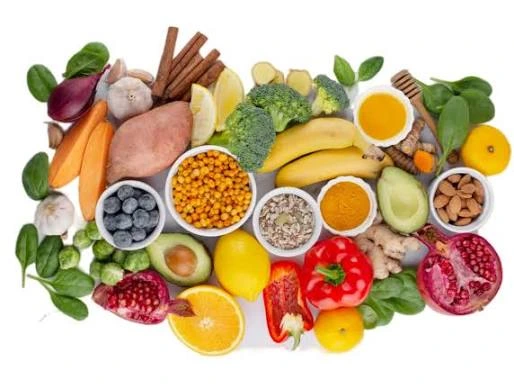
When piles flare up, meals can feel like a minefield. Food will not shrink piles overnight, but it changes how soft your stools are, and softer stools mean less straining, which piles react to most.
This guide covers the foods to avoid in piles, what to eat instead, and a complete Indian piles diet chart for seven days.
How Diet Affects Piles
Piles flare when pressure builds in the veins around the anus, and straining on hard stools is a common trigger. The National Institute of Diabetes and Digestive and Kidney Diseases (NIDDK) says high-fiber foods make stools softer and easier to pass, and can help treat and prevent piles. It suggests about 14 grams of fiber per 1,000 calories, roughly 28 grams a day on a 2,000-calorie diet.
Fiber needs water to work, so drink fluids through the day. Raise your fiber gradually over a week or two to avoid gas and bloating.
What to Eat in Piles
These everyday Indian foods do the most to keep stools soft:
| Food | Why it helps | How to use it |
| Whole grains and millets | Keep the bran, so they carry more fiber than polished rice or maida | Whole wheat roti, oats, brown rice, ragi, bajra, jowar |
| Dals and legumes | Add fiber and protein | Moong, toor, chana, rajma, lobia, sprouts |
| Leafy greens and vegetables | Add bulk and water | Keerai, palak, methi, beans, bhindi, lauki, carrot, pumpkin |
| Fruit with skin or pulp | Fiber plus fluid | Guava, papaya, apple, pear, orange, ripe banana, prunes, figs |
| Curd and buttermilk | Add fluid and are easy to digest | With lunch or mid-morning |
| Water and clear fluids | Help fiber soften stool | Water, coconut water, clear soups |
The ICMR-NIN Dietary Guidelines for Indians also advise making at least half your grains whole and eating vegetables at every meal. If food alone is not enough, isabgol (psyllium husk) is a commonly used fiber supplement. Ask your doctor first, and take it with plenty of water.
Foods to Avoid in Piles
There is no need for strict bans. Cut back on foods that are low in fiber or firm up stools, especially if you are prone to constipation. NIDDK lists cheese, chips, fast food, ice cream, meat and processed foods as low-fiber choices to limit.
| Limit | Why | Swap for |
| Maida foods: white bread, naan, biscuits, noodles | Refined and low in fiber | Whole wheat or multigrain atta, millet rotis |
| Fried and packaged snacks: chips, namkeen, samosa, fast food | Low in fiber, heavy on oil | Roasted chana, sprouts, fruit |
| Processed meats and large portions of red meat | Low in fiber | Fish, eggs or dal, served with vegetables |
| Cheese and ice cream | Low-fiber dairy | Curd, buttermilk |
| Alcohol | Can dehydrate you and worsen constipation, though research is mixed | Water, buttermilk |
| Very spicy or oily food during a flare | May irritate, especially with a painful tear | Milder masalas, cooling curd |
None of these needs to disappear forever. Your overall pattern matters more than any single food.
Indian Piles Diet Chart for 7 Days
This diet chart for piles patients is a flexible plan you can follow at home.
Every day: on waking, warm water with a few soaked prunes or figs. Mid-morning, a fruit with skin or pulp, or a glass of buttermilk. Evening, roasted chana, sprouts chaat or vegetable soup. Sip water and other fluids throughout the day.
| Day | Breakfast | Lunch | Dinner |
| 1 | Vegetable oats upma | 2 whole wheat rotis, moong dal, beans poriyal, salad, curd | Brown rice, vegetable sambar, cabbage-carrot poriyal |
| 2 | Ragi dosa with sambar | Jowar roti, palak dal, bhindi sabzi | Vegetable khichdi with curd |
| 3 | Whole wheat vegetable paratha with curd | Brown rice, rajma, cabbage salad | 2 rotis, mixed vegetable curry, dal |
| 4 | Vegetable daliya (broken wheat) upma | Multigrain roti, chana masala, cucumber salad | Millet pongal with vegetable sambar |
| 5 | Moong dal cheela with mint chutney | Brown rice, keerai kootu, drumstick sambar | Vegetable soup, 2 rotis, lauki sabzi |
| 6 | 2 idlis with plenty of vegetable sambar | Bajra roti, toor dal, methi sabzi, curd | Brown rice, dal, beetroot or carrot poriyal |
| 7 | Stuffed methi or vegetable roti with curd | Vegetable pulao with brown rice, raita | 2 rotis, dal, seasonal vegetable curry |
On non-veg days, swap the dal for fish or chicken curry, or add a boiled egg at breakfast. Keep vegetables and whole grains on the plate. Cook with little oil, and adjust portions to your appetite, health conditions and doctor’s advice.
Common Questions
Is spicy food bad for piles?
It has not been shown to cause piles. In a small trial, a single chili dose did not worsen piles symptoms, but chili can irritate a fissure. If spicy meals make you burn, cut back for a while.
Which fruit or juice is good for piles?
Whole fruit beats juice because it keeps the fiber. Guava, papaya, apple, pear and ripe banana are good choices. If you drink juice, keep it unsweetened and small.
Are curd, milk, eggs and non-veg allowed in piles?
Usually, in moderation. Eggs, meat and cheese have little fiber, so fill your plate with vegetables, dal and whole grains first.
When Diet Is Not Enough
Diet supports treatment but does not replace it. If bleeding keeps returning, symptoms last beyond a week of home care, or piles need to be pushed back in, an examination can confirm the cause and options. Rectal bleeding should always be checked, because piles are not the only possible cause. If you have diabetes, kidney disease or a heart condition, ask your doctor or a dietitian before making big changes.
Speak With a Doctor About Your Symptoms
If diet alone is not easing your piles, a consultation can help you understand what is going on and what comes next. Marina’s Clinic is a gastrointestinal clinic led by chief consultant surgeon Dr. Preethi Mrinalini K, where patients are seen for piles, fissures, hernias and other digestive conditions. To arrange an assessment, visit marinasclinic.com and book an appointment.