
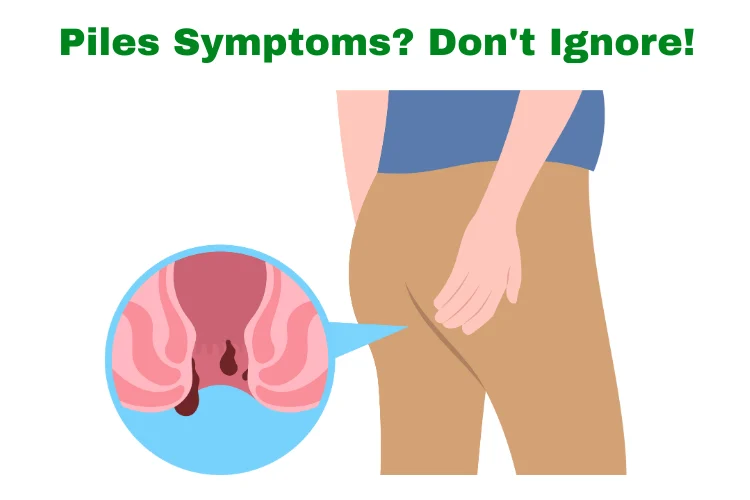
Noticing blood after a bowel movement, an itch that won’t settle, or a small lump near the anus can be worrying, and it is easy to put off asking about it. Piles are very common, and knowing what the symptoms look like can help you decide what to do next.
This guide explains the common piles symptoms, the early signs to watch for, how internal and external piles differ, and when it is time to see a doctor.
Piles Symptoms at a Glance
The most common piles symptoms are bright red blood after passing stool, itching around the anus, a lump near the anus, discomfort when sitting, and a feeling that your bowel has not fully emptied. Many people with piles have no symptoms at all.
- Bright red blood on the tissue or in the toilet bowl
- Itching or irritation around the anus
- A lump or swelling near the anus
- Pain or tenderness, especially when sitting
- A feeling that you still need to go after a bowel movement
- Mucus on the tissue or in your underwear
The NHS lists the same symptoms and notes that piles can range from a small, pea-sized lump to larger, grape-sized ones.
Early Symptoms of Piles
Early piles are often mild and easy to overlook. Signs can include:
- A few streaks of blood now and then, often with no pain
- Mild itching or a sense of fullness or pressure near the anus
- Slight discomfort after straining or sitting for long periods
- A feeling of incomplete emptying after a bowel movement
These symptoms often come and go. That doesn’t mean they should be ignored, especially if you have never noticed bleeding before.
Internal Piles Symptoms vs External Piles Symptoms
There are two main types of piles, and they tend to cause different symptoms.
| Internal piles | External piles | |
| Where they form | Inside the rectum | Under the skin around the anus |
| Bleeding | Common, usually bright red | Possible, but less typical |
| Pain | Usually painless, unless they slip out | More likely to ache or feel tender |
| Lump | Not felt until they come down | Felt as a soft lump |
| Other signs | Mucus, a feeling of fullness | Itching, swelling |
If a blood clot forms inside an external pile, it can cause a sudden, hard, painful lump. Internal piles are also graded by how far they come down. In grade I they stay inside. In grade II they come out during a bowel movement and go back on their own. In grade III they need to be pushed back. In grade IV they stay outside.
Symptoms of Piles in Females and Males
The symptoms of piles in females and males are essentially the same. What differs are the common triggers.
In women, piles are more likely during pregnancy and after delivery, because of pressure on the pelvic veins and straining. They often settle afterwards, but symptoms that persist should be checked. In men, piles are more often linked to straining, heavy lifting and long spells of sitting. In both, constipation is a leading contributor.
What Can Trigger Piles Symptoms?
Symptoms often flare when pressure on the veins around the anus rises. Common triggers include constipation, pushing hard on the toilet, long spells on the toilet, heavy lifting, pregnancy, being overweight and getting older. Keeping stools soft with fiber, fluids and regular toilet habits often helps.
Is It Piles or Something Else?
Several problems can look like piles:
- An anal fissure causes sharp pain during and after a bowel movement, often with a little bleeding.
- An anal fistula tends to cause pus or discharge and recurring swelling.
- Bowel conditions can also cause rectal bleeding.
Symptoms alone cannot tell these apart, which is why an examination is more reliable than guessing. Our guide on piles vs fissure explains the differences in more detail.
When to See a Doctor
Book an assessment if:
- You notice bleeding from the back passage, even if you think it is piles
- Symptoms are getting worse, or have not improved after a week of home care
- Piles keep coming back
- You see a change around the anus that is new for you
- Bleeding comes with changes in bowel habits, dark stools or weight loss
- You are over 40 and bleeding for the first time
Seek urgent care if bleeding is heavy or will not stop, you pass large clots, pain is severe, or you have a fever or pus leaking from a pile.
Common Questions
How do I know if I have piles?
Bright red blood after passing stool, itching or a lump near the anus are the usual clues. Only an examination can confirm it, because other conditions look similar.
Do piles go away on their own?
Mild piles often settle within days to a few weeks with more fiber, fluids and less straining. If symptoms keep returning or last beyond a week of home care, get them checked.
Is piles dangerous?
Usually not, but bleeding should always be checked, because it can also come from other conditions.
Speak With a Doctor About Your Symptoms
If you have been living with symptoms and are unsure what they mean, an examination can replace guesswork with answers. Marina’s Clinic is a gastrointestinal clinic led by chief consultant surgeon Dr. Preethi Mrinalini K, where patients are seen for piles, fissures, hernias and other digestive conditions. To arrange an assessment, visit marinasclinic.com and book an appointment.