
Weight loss surgery has transformed countless lives, offering hope and a new beginning for individuals struggling with obesity. Among the most commonly performed procedures are gastric bypass and sleeve gastrectomy.
While both are effective, choosing the right option requires a clear understanding of how they differ.
Understanding the Procedures
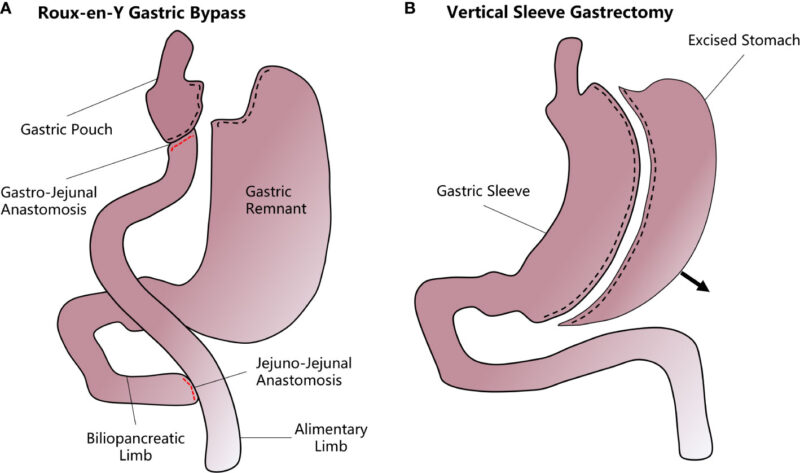
Gastric bypass involves creating a small stomach pouch and rerouting the digestive system. This reduces food intake and limits calorie absorption.
Sleeve gastrectomy, on the other hand, involves removing a large portion of the stomach, leaving a smaller, sleeve-shaped structure. This significantly reduces hunger and food capacity.
Key Differences That Matter
The primary distinction lies in how each procedure works.
Gastric bypass:
- Combines restriction and malabsorption
- Leads to faster weight loss
- Often recommended for patients with severe obesity or related health conditions
Sleeve gastrectomy:
- Focuses on restriction
- Maintains natural digestion
- Has a relatively simpler surgical process
Recovery and Lifestyle Impact
Recovery time and lifestyle changes vary between the two.
Gastric bypass may require:
- More careful nutritional monitoring
- Long-term vitamin supplementation
Sleeve gastrectomy generally involves:
- Shorter recovery time
- Fewer complications related to nutrient absorption
However, both procedures demand a commitment to:
- Healthy eating habits
- Regular physical activity
- Long-term lifestyle changes
Choosing the Right Option
The best choice depends on multiple factors:
- Your health condition
- Weight loss goals
- Medical history
Consulting an experienced specialist is essential to determine the most suitable approach tailored to your needs.
Final Thoughts
Both gastric bypass and sleeve gastrectomy offer powerful solutions for weight loss and improved health. The decision is not about which is better universally but which is right for you.
With the right guidance and commitment, either path can lead to a healthier, more confident life.