
Hormones are the body’s chemical messengers, regulating everything from metabolism and mood to reproductive health and sleep cycles. When these hormones fall out of balance, the effects can disrupt daily life in subtle or severe ways. Hormonal imbalance is increasingly common due to stress, sedentary lifestyles, poor dietary habits, environmental factors, and underlying medical conditions. Early diagnosis and proper medical care are essential to prevent long-term health complications.
At Marina’s Clinic, patients receive comprehensive evaluation and evidence-based treatment for hormonal disorders. If you have been experiencing unexplained physical or emotional symptoms, it may be time to consider hormonal testing. This guide explains the common signs of hormonal imbalance, possible causes, when to seek medical advice, and how timely treatment can restore your overall health.
What Is Hormonal Imbalance?
Hormonal imbalance occurs when there is too much or too little of a specific hormone in the bloodstream. Even minor fluctuations can significantly affect bodily functions. Hormones such as estrogen, progesterone, testosterone, thyroid hormones, insulin, and cortisol play critical roles in maintaining internal stability.
Conditions such as thyroid disorders, polycystic ovary syndrome (PCOS), diabetes, adrenal dysfunction, and menopause are often linked to hormonal irregularities. Identifying symptoms early can help prevent complications like infertility, metabolic syndrome, osteoporosis, and cardiovascular disease.
Common Signs of Hormonal Imbalance
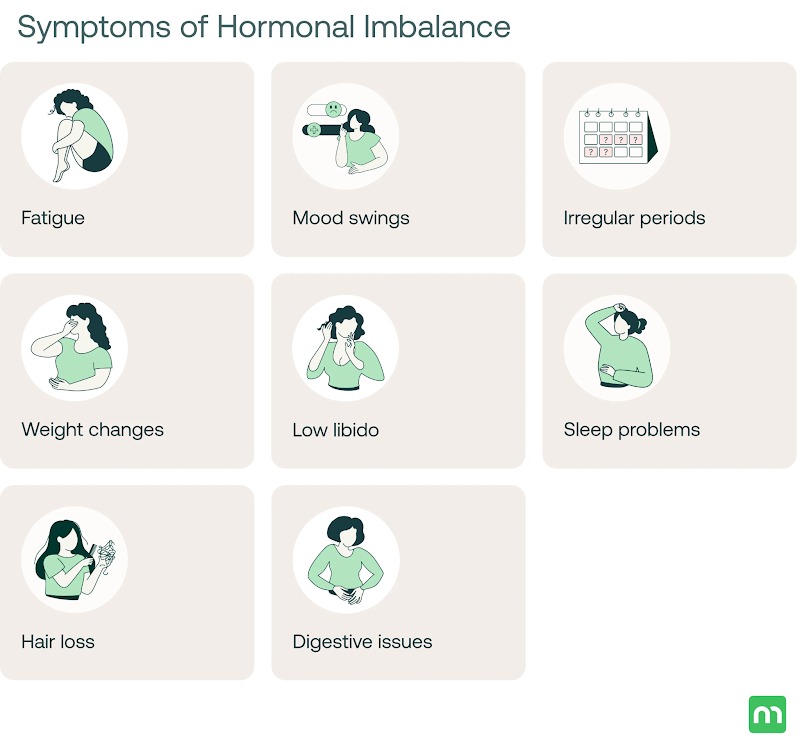
Persistent fatigue is one of the most reported symptoms. If you feel constantly tired despite adequate rest, it may indicate thyroid imbalance or cortisol dysfunction. Unexplained weight gain or sudden weight loss can also signal hormonal shifts, especially involving insulin or thyroid hormones.
Irregular menstrual cycles, heavy bleeding, missed periods, or severe premenstrual symptoms often suggest estrogen or progesterone imbalance. Women with PCOS may experience acne, hair thinning, or excessive facial hair growth due to elevated androgen levels.
Mood swings, anxiety, irritability, and depression are frequently associated with hormonal fluctuations. Estrogen and progesterone influence neurotransmitters in the brain, meaning imbalance can directly affect emotional stability.
Sleep disturbances are another red flag. Difficulty falling asleep, frequent night awakenings, or insomnia can result from imbalanced cortisol, melatonin, or thyroid hormones.
Digestive issues such as bloating, constipation, or slow metabolism may also stem from thyroid dysfunction. Additionally, reduced libido, erectile dysfunction in men, or vaginal dryness in women may indicate hormonal irregularities requiring medical evaluation.
Causes of Hormonal Imbalance
Hormonal imbalance can be triggered by multiple factors. Chronic stress is a major contributor, as elevated cortisol levels disrupt other hormonal pathways. Poor diet high in processed foods and sugar can lead to insulin resistance, increasing the risk of type 2 diabetes.
Thyroid disorders such as hypothyroidism and hyperthyroidism are common causes of hormonal disturbances. Autoimmune conditions like Hashimoto’s thyroiditis may also interfere with hormone production.
Polycystic ovary syndrome is a leading cause of hormonal imbalance in women of reproductive age. Menopause and perimenopause naturally alter estrogen and progesterone levels, often resulting in hot flashes, mood swings, and sleep issues.
Environmental toxins and endocrine-disrupting chemicals found in plastics and pollutants can interfere with normal hormone function. Additionally, certain medications, including birth control pills and steroids, may temporarily affect hormone levels.
When Should You Get Tested?
If symptoms persist for several weeks or worsen over time, it is advisable to consult a qualified healthcare provider. Blood tests are commonly used to evaluate thyroid function, insulin levels, reproductive hormones, and cortisol levels. In some cases, ultrasound imaging or additional diagnostic tests may be recommended.
Individuals experiencing irregular periods, unexplained weight changes, chronic fatigue, hair loss, infertility, or mood disturbances should seek medical advice promptly. Early hormonal testing can detect underlying conditions before complications arise.
Residents searching for a reliable hormonal imbalance treatment clinic in Chennai often prioritize clinics that offer accurate diagnostics, personalized care, and comprehensive follow-up support. A thorough medical assessment ensures that treatment targets the root cause rather than simply managing symptoms.
Treatment Options for Hormonal Imbalance
Treatment depends on the underlying cause. Thyroid disorders may require hormone replacement therapy or medication to regulate hormone production. PCOS management often involves lifestyle modification, insulin-regulating medication, and hormonal therapy.
Diet and exercise play a significant role in restoring balance. A nutrient-rich diet with adequate protein, fiber, and healthy fats supports endocrine health. Stress management techniques such as yoga, meditation, and adequate sleep help regulate cortisol levels.
In some cases, hormone replacement therapy may be recommended for menopause-related symptoms. Personalized treatment plans are essential to ensure safety and effectiveness.
Importance of Early Diagnosis
Ignoring hormonal imbalance can lead to long-term health risks such as infertility, metabolic syndrome, osteoporosis, heart disease, and mental health disorders. Early detection not only improves quality of life but also reduces healthcare complications and expenses in the future.
Professional evaluation ensures accurate diagnosis and prevents self-medication, which can worsen symptoms. Hormonal health is interconnected with overall well-being, making proactive care essential for long-term vitality.
Frequently Asked Questions About Hormonal Imbalance
What are the first signs of hormonal imbalance?
Early signs often include fatigue, mood changes, irregular periods, weight fluctuations, acne, and sleep disturbances. These symptoms may vary depending on which hormone is affected.
How is hormonal imbalance diagnosed?
Diagnosis typically involves blood tests to measure hormone levels such as thyroid hormones, estrogen, progesterone, testosterone, insulin, and cortisol. Doctors may also recommend imaging tests if necessary.
Can stress cause hormonal imbalance?
Yes, chronic stress increases cortisol levels, which can disrupt thyroid, reproductive, and metabolic hormones, leading to various health issues.
Is hormonal imbalance treatable?
Most hormonal imbalances are treatable with medication, lifestyle changes, dietary adjustments, and in some cases, hormone replacement therapy.
When should I see a doctor for hormonal issues?
You should seek medical advice if symptoms persist, interfere with daily life, or worsen over time. Early testing helps prevent complications.
Conclusion
Hormonal imbalance can affect every aspect of physical and emotional health. Recognizing early symptoms such as fatigue, irregular cycles, weight changes, mood swings, and sleep disturbances is crucial for timely intervention. Comprehensive testing and personalized treatment can restore balance and improve overall well-being.
If you suspect hormonal changes or have ongoing symptoms, consulting experienced healthcare professionals ensures accurate diagnosis and effective management. Prioritizing hormonal health today can prevent serious medical complications tomorrow and help you lead a healthier, more balanced life.