
When a surgeon recommends keyhole surgery, questions follow quickly. Will it hurt? How long before I’m back to normal? What actually happens in the operating theatre? These are sensible questions, and clear answers can make the whole experience feel far less uncertain.
This guide walks you through keyhole surgery for hernia, gallstones, appendicitis and other common conditions, from preparation to recovery.
What Is Keyhole Surgery?
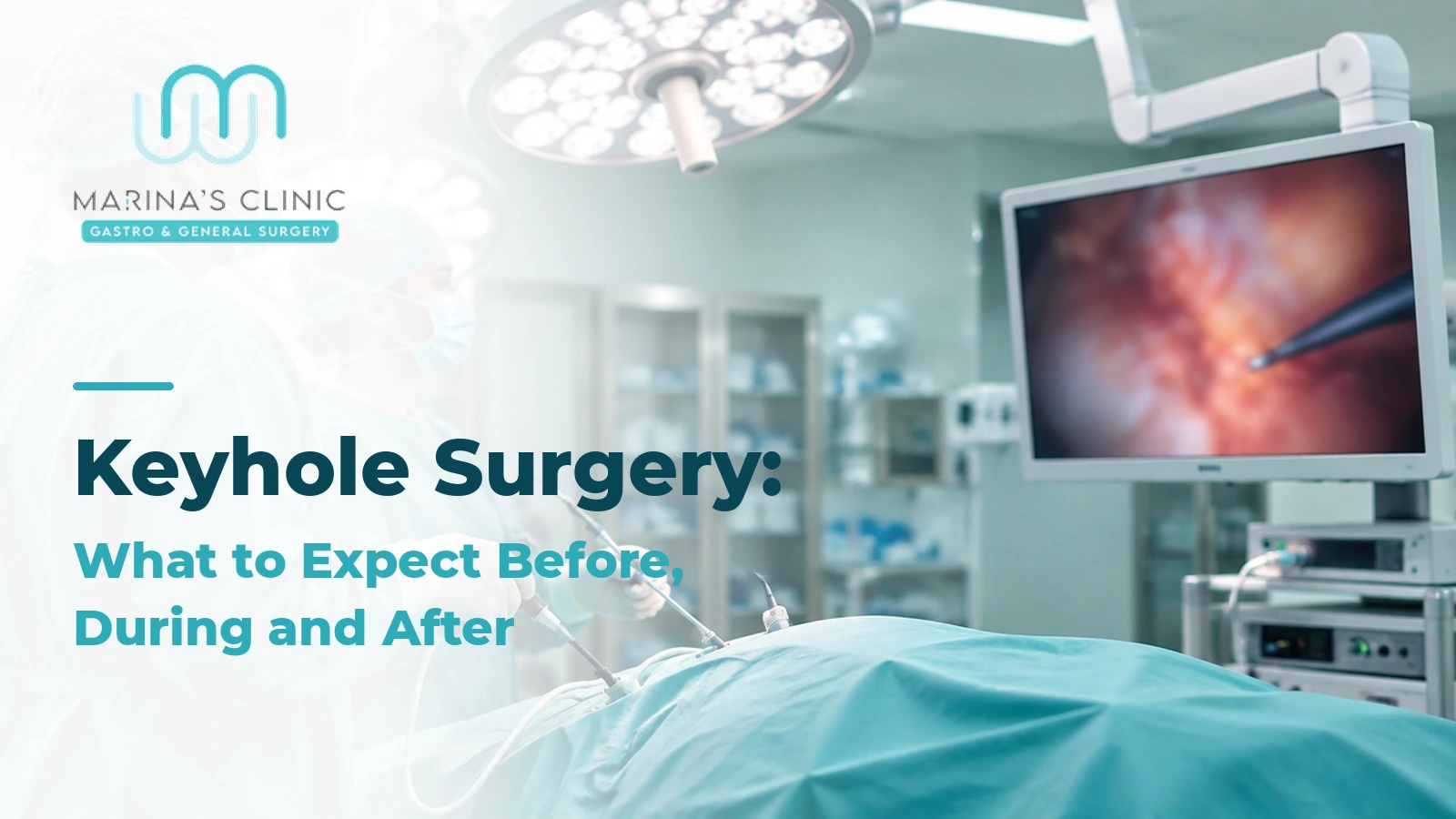
Keyhole surgery, also called laparoscopic surgery, is a form of minimally invasive surgery. Instead of one large opening, the surgeon works through a few small cuts. A thin tube with a camera, called a laparoscope, shows the inside of your abdomen on a screen, and slim instruments do the work.
Because the cuts are small, recovery is often faster than after open surgery. It is still a real operation, though. Laparoscopic procedures remain major surgeries, so your surgeon is the best person to explain what yours involves.
Before Your Surgery
It is natural to feel a little anxious beforehand. Knowing what the day involves, and asking every question you have, usually helps.
Your surgeon will review your symptoms, medical history and test results, then explain whether keyhole surgery suits you. To prepare:
- Tell your team about every medicine you take. Some, such as blood thinners, may need to be stopped, but only on your surgeon’s advice.
- Stop smoking if you smoke. It supports healing and recovery.
- Follow the fasting instructions exactly as you are given them.
- Arrange a lift home. You cannot drive after the procedure.
- Wear loose, comfortable clothes to the hospital.
During the Procedure
Keyhole surgery is done under general anaesthesia, so you will be asleep and will not feel anything.
The surgeon makes the small cuts and gently fills the abdomen with gas to create working space. Using the camera view, they carry out the repair or removal. The gas is then released, and the cuts are closed with stitches or clips and covered with a dressing. How long this takes depends on the procedure, and your surgeon can give you an estimate beforehand.
Keyhole Surgery Recovery: What to Expect
After surgery you will rest in the recovery room while the team monitors you and manages pain. Some people go home the same day. Others stay a night or longer, depending on the operation.
In the first days, it is common to have some pain, tiredness, nausea and a low fever. Most people feel better within one to two weeks.
A few things help:
- Walk a little each day. Gradually increase the distance. It supports circulation and helps prevent constipation.
- Keep the cuts clean and dry. Showering is usually fine after a day or two if your doctor agrees. Avoid baths for the first two weeks, or until you are told otherwise.
- Take medicines as prescribed, and attend your follow-up visit.
Many people ask when they can return to work. Light desk work often comes sooner than heavy lifting or strenuous exercise, so ask your surgeon for a plan that fits your job and your procedure. It is better to ease back gradually than to rush.
Recovery varies with the operation and the person, so use these timelines as a guide, not a promise.
When to Contact Your Surgeon
Mild tiredness and discomfort are common early on. But if your pain keeps getting worse, a fever persists, the cuts become red or leak fluid, or you cannot keep food or fluids down, speak to your surgeon rather than waiting for it to settle.
Frequently Asked Questions
Can keyhole surgery be converted to open surgery?
Occasionally, yes. If the surgeon finds heavy inflammation, scarring or difficult anatomy, switching to an open approach can be the safer choice. In gallbladder surgery, studies report conversion in roughly 2 to 15 percent of cases. Your surgeon will discuss this possibility with you beforehand.
Is keyhole surgery right for everyone?
Not always. It depends on your condition, any previous abdominal surgery, and your overall health. A consultation is the best way to find out which approach suits you.
If you have been advised keyhole surgery, take your time, ask questions, and make sure you understand each step. Feeling informed is the best preparation.