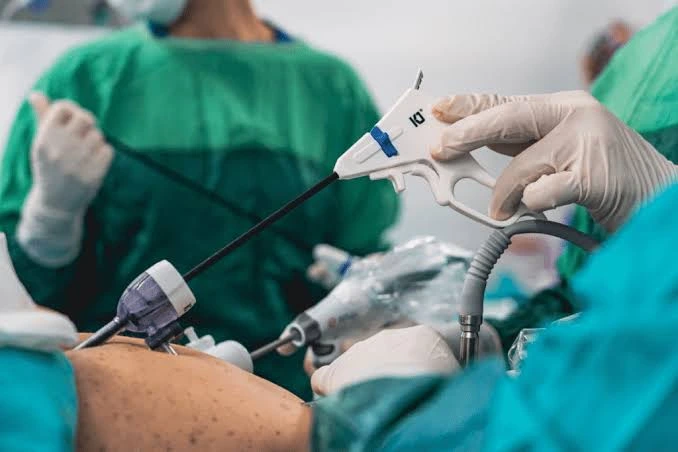
If you’ve recently had laparoscopic surgery, or you’re preparing for one, it’s completely normal to wonder how long recovery will take.
When can you return to work? When can you exercise again? And how do you know whether an ache is part of normal healing or something that needs attention?
Laparoscopic surgery recovery is different for everyone. It also depends on the procedure you had. A diagnostic laparoscopy may involve a shorter recovery than a more involved therapeutic surgery.
The timeline below gives you a general idea of what recovery can look like. Your surgeon’s instructions should always take priority because they are based on your specific procedure and health.
Recovery at a Glance
| Timeframe | What’s Typical |
| Days 1–3 | Most discomfort; short walks every few hours |
| Days 4–7 | Noticeable improvement; light activity becomes easier |
| Week 2 | Return to desk work for many patients; pain mostly settled |
| Weeks 3–4 | Gradual return to exercise and fuller activity |
| Weeks 4–6 | Full recovery for many procedures |
Let’s look at what you may experience during each stage.
Days 1–3: The Toughest Days
The first few days are usually when you notice the most discomfort.
That doesn’t necessarily mean severe pain. You may simply feel tired, sore, bloated, or less energetic than usual while your body starts recovering from surgery.
What You May Notice
- Tiredness and a greater need for rest
- Shoulder-tip pain caused by the gas used during surgery
- Bloating or a feeling of abdominal tightness
- Tenderness around the incisions
- Reduced appetite or mild nausea as the anaesthesia wears off
Shoulder-tip pain can sometimes feel surprising because the surgery was performed in the abdomen.
This discomfort is usually related to the carbon dioxide gas used during the procedure and generally settles as the gas is absorbed.
What Can Help?
During these first few days, simple measures can make recovery more comfortable:
- Take short walks every few hours, as advised
- Take prescribed pain medication as directed
- Drink warm fluids if they feel comfortable
- Keep the surgical incisions clean and dry
- Shower only when your surgeon confirms that it is safe
Gentle movement can also support circulation and help your body clear the gas used during surgery.
What Should You Avoid?
For now, avoid:
- Heavy lifting
- Strenuous exercise
- Driving while taking prescription pain medication
- Rich, spicy, or gas-producing foods if they worsen your discomfort
For many patients, discomfort is most noticeable around the second day and begins to improve by the third or fourth day.
Days 4–7: Starting to Feel Better
By the second half of the first week, many patients begin to notice a clear improvement.
Shoulder discomfort often starts fading, bloating becomes less noticeable, appetite begins returning, and everyday movement feels easier.
Pain may also become mild enough to manage with over-the-counter medication, if your surgeon has approved it.
What Can You Usually Start Doing?
Depending on how you’re feeling and what procedure you had, you may gradually introduce:
- Slightly longer walks
- Light household activities
- Short drives once you’re comfortable
- Work-from-home or part-time tasks
You may feel much better at this point, but your body is still healing.
Avoid heavy lifting, strenuous exercise, and swimming until your surgeon gives you the go-ahead.
Week 2: Getting Back to Your Routine
By the second week, many patients are getting closer to their usual daily routine.
Pain is often minimal, although you may still notice an occasional pulling or stretching sensation around the surgical area.
Your energy levels should also be improving, and your incisions will usually show signs of continued healing.
For people with desk-based jobs, returning to work around this stage may be possible.
Physically demanding jobs can require more time, sometimes two to four weeks or longer depending on the procedure.
Driving is also often more comfortable by this point, while gentle stretching may be appropriate if your surgeon approves it.
Intense core exercises, heavy lifting, and strenuous workouts should generally wait until you have been cleared to resume them.
Weeks 3–6: Gradually Returning to Full Activity
For many laparoscopic procedures, the third to sixth weeks are when activity gradually returns to normal.
By this stage, most pain should have settled, energy levels are closer to normal, and the small surgical scars may begin to fade.
You can usually start reintroducing activities such as:
- Gym workouts
- Running
- Heavier lifting
- More demanding physical activity
The key is to increase activity gradually rather than trying to return to your previous routine all at once.
Your recovery can also depend heavily on the procedure itself.
A diagnostic laparoscopy may heal relatively quickly, while more complex operations, including some gynaecological or bowel-related surgeries, may require six to eight weeks before you return fully to normal activities.
Your surgeon can give you a more accurate timeline based on your operation.
Warning Signs That Need Medical Attention
Most patients recover without major problems, but some symptoms should not be ignored.
Contact your doctor promptly if you experience:
- Fever above 101°F (38.3°C)
- Severe or worsening pain
- Redness, swelling, warmth, or discharge around an incision
- Persistent nausea or vomiting
- Difficulty breathing or chest pain
- Difficulty passing urine
- No bowel movement for several days
- Swelling, redness, or pain in the calf
These complications are uncommon, but recognising warning signs early is important.
If something doesn’t feel right, it is better to contact your surgical team and get appropriate advice rather than simply waiting for the symptoms to disappear.
Tips for a Smoother Recovery
Small habits can make the recovery period easier.
Keep Moving
Gentle walking is generally encouraged early in recovery.
It supports circulation and may also help your body absorb the gas used during laparoscopic surgery.
Stay Hydrated
Drink enough fluids unless your doctor has advised you to restrict them.
Good hydration can also help with constipation, particularly if you’re taking pain medication.
Eat Fibre-Rich Foods
Once you’re able to eat normally, include foods that provide fibre to support regular bowel movements.
Fruits, vegetables, oats, and whole grains can be useful choices.
Give Your Body Enough Rest
Feeling tired after surgery is normal.
Rest when you need to, and remember that recovery is not a race. Pushing yourself too quickly can make the process more uncomfortable.
Follow Your Surgeon’s Instructions
Your wound-care instructions, medication schedule, activity restrictions, and follow-up appointments are specific to your surgery.
Follow them even if you feel ready to do more.
How Long Should I Rest After Laparoscopic Surgery?
Most patients do not need prolonged bed rest after laparoscopic surgery.
Gentle walking is usually encouraged from the first day, provided you are comfortable and your surgical team has advised it.
As recovery progresses, the focus shifts from resting completely to gradually increasing your activity.
Why Am I Bloated After Laparoscopic Surgery?
Bloating is common after laparoscopic surgery.
During the procedure, carbon dioxide gas is used to create space inside the abdomen so the surgeon can operate safely.
Your body gradually absorbs this gas over the following days.
Gentle walking may help with this process and can also support normal circulation.
When Can I Drive Again?
Many patients may be comfortable driving around five to seven days after surgery.
However, you should only drive when you are no longer taking prescription pain medication that affects your alertness and can comfortably perform an emergency stop without significant pain.
Your surgeon can advise you when driving is appropriate for your specific procedure.
Recovery Is a Gradual Process, Not a Race
Laparoscopic surgery often allows patients to get back to everyday activities sooner than comparable open procedures.
Many people feel substantially better within two weeks, with fuller recovery taking around four to six weeks for many procedures.
However, there is no single recovery timeline that works for everyone.
Your procedure, general health, type of work, and how your body responds to surgery can all influence how quickly you recover.
If your recovery doesn’t seem to be progressing as expected, or you simply have concerns about your symptoms, book a post-operative consultation with our team.
Getting personalised medical advice can help you understand whether what you’re experiencing is part of normal recovery or needs further attention.