Do I Need Surgery for Hernia?
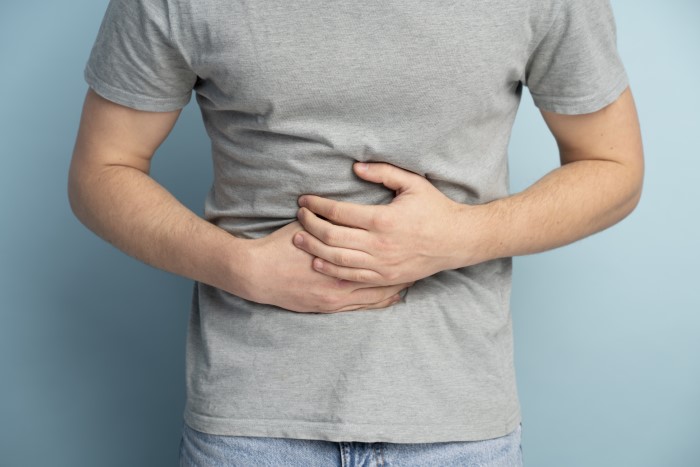
Do I Need Surgery for Hernia? Introduction A hernia is a common condition characterised by the protrusion of an organ through a weakened spot in the surrounding muscle or tissue. While hernias can occur in various body parts, they are most commonly found in the abdominal area. Understanding whether you need surgery for a hernia depends on several factors, including the hernia type, severity, and the impact on your daily life. Understanding HerniasDefinition and Causes: A hernia occurs when an organ or fatty tissue squeezes through a weak spot in a surrounding muscle or connective tissue. Causes can range from congenital conditions (present at birth) to pressure on the abdominal wall due to heavy lifting, persistent coughing, or obesity. Symptoms: Common signs of a hernia include a noticeable bulge in the abdomen or groin area, pain or discomfort, especially during activities like lifting, bending, or coughing, and a feeling of heaviness or pressure in the abdomen. Types of Hernias Inguinal Hernia: Occurs in the groin area and is more common in men. Hiatal Hernia: Affects the upper part of the stomach, pushing through the diaphragm. Umbilical Hernia: Commonly seen in newborns but can persist or appear in adulthood around the naval. Incisional Hernia: Develops at the site of a previous abdominal surgery. When is Surgery Recommended? Severity and Symptoms: Surgery is generally advised for hernias that cause pain, are increasing in size, or significantly impact quality of life. A hernia that is small and asymptomatic might not require immediate surgery. Risk of Complications: Incarcerated (trapped) or strangulated hernias, where the blood supply to the trapped tissue is cut off, are medical emergencies that require urgent surgical intervention. Lifestyle Impact: Consider how the hernia affects your daily activities. If it limits your mobility or causes chronic discomfort, surgery may be the best option. Types of Hernia Surgery Surgery is a common and effective treatment for hernias. There are three primary surgical methods used to repair hernias: open surgery, laparoscopic surgery, and robotic surgery. Each method has its own advantages and considerations. Open Surgery Procedure: Open hernia repair surgery involves making a single, larger incision in the abdomen or groin. Through this incision, the surgeon pushes the protruding tissue back into place, then reinforces the weakened area with stitches or a synthetic mesh. The mesh acts like a patch, providing additional support to prevent the recurrence of the hernia. Recovery: The recovery period for open surgery is generally longer compared to minimally invasive procedures. Patients may need to restrict their activities, especially heavy lifting, for several weeks to allow proper healing. Suitability: Open surgery is often recommended for larger hernias or when a previous laparoscopic repair has failed. It’s also sometimes preferred in cases where the patient’s medical history or condition makes laparoscopic surgery more challenging. Laparoscopic Surgery Procedure: Laparoscopic hernia repair uses several small incisions instead of one large one. A laparoscope (a thin tube with a camera and light) is inserted through one incision, allowing the surgeon to see inside the abdomen on a monitor. Surgical instruments are inserted through the other incisions to repair the hernia with mesh. Recovery: This method typically involves less pain and a faster return to normal activities compared to open surgery. However, it requires specialised surgical skills and may not be available in all hospitals. Suitability: Laparoscopic surgery is often recommended for patients with smaller hernias or those undergoing a repeat hernia repair. It is also a good option for people who wish to have a shorter recovery time and less visible scarring. Robotic Surgery Procedure: Robotic surgery is a more advanced form of laparoscopic surgery. The surgeon controls robotic arms equipped with surgical tools from a console. This technology provides enhanced precision, flexibility, and control during the operation. The camera used in robotic surgery offers high-definition, 3D images, allowing for greater visibility. Recovery: Similar to laparoscopic surgery, robotic surgery typically results in a quicker recovery, less postoperative pain, and smaller scars. The precision of the robotic system may also reduce the risk of complications. Suitability: Robotic surgery is particularly beneficial for complex hernia repairs or surgeries in anatomically challenging locations. The enhanced precision and control can be advantageous in delicate or complicated cases. Risks and Considerations Surgical risks include infection, hernia recurrence, and chronic pain. It’s crucial to discuss your health history and potential risks with your surgeon. Alternatives to Surgery Watchful Waiting: Small, asymptomatic hernias may not require immediate surgery. Lifestyle Changes: Weight management and avoiding activities that strain the abdominal area can be beneficial, especially for hiatal hernias. Supportive Garments: Trusses or belts can provide temporary relief but are not a long-term solution. Preparing for Surgery If you and your doctor decide that surgery is the best course of action, you’ll be guided through the preparation process, which may include pre-surgical tests, dietary adjustments, and planning for recovery. Conclusion Deciding whether to undergo hernia surgery is a significant decision that should be made in consultation with a healthcare professional. Understanding your hernia type, the severity of symptoms, and the potential risks and benefits of surgery will help you make an informed choice. Always seek advice from a qualified healthcare provider to determine the best course of action for your specific situation. Recent Posts Navigating the TSH Test: Understanding the Normal Range, Interpretation, Symptoms, and Treatment for High Levels 11 Dec 2023 Do I Need Surgery for Hernia? 20 Nov 2023 Everything You Need to Know About Hernias: Symptoms, Types, and Treatments 20 Nov 2023 Everything You Want to Know About Hernias 18 Nov 2023 The Intricacies of Hashimoto's Disease: An In-Depth Look 18 Nov 2023 Have Any Question? Contact us +91 98840 00171 [email protected]
Everything You Need to Know About Hernias: Symptoms, Types, and Treatments

Everything You Need to Know About Hernias: Symptoms, Types, and Treatments Introduction: When it comes to unexpected health issues, hernias are often on the list of conditions that can catch anyone by surprise. A hernia can be a silent problem waiting to reveal itself at any point from infancy to adulthood, under a variety of circumstances. This comprehensive guide will delve into what hernias are, their types, symptoms, causes, and treatments. With a clearer understanding, we hope to demystify this condition and offer practical advice for those dealing with hernias or seeking to prevent them. What is a Hernia? At its most basic, a hernia is a breach in the fortress of the muscle or tissue wall that keeps our organs in place. Imagine a part of an organ, like a section of the intestines, pushing through a weak spot in the abdominal wall; that’s a hernia for you. They’re not necessarily immediate medical emergencies, but they don’t resolve without proper attention and sometimes, surgical intervention. The Different Faces of Hernias Hernias, though broadly categorised under one term, manifest in several distinct types, each with its own set of characteristics, preferred locations, and potential complications. Understanding these variations is key to recognizing and effectively treating them. Inguinal Hernias: Accounting for a significant majority of all hernia cases, inguinal hernias are most prevalent among men. This type occurs when the intestines or fatty tissue pushes through a weak spot in the lower abdominal wall, typically in the inguinal canal. This canal is an area in the groin where, in men, the spermatic cord, which holds up the testicles, passes. In women, it contains the round ligament that supports the uterus. Symptoms can include a visible bulge in the groin area, which may become more pronounced when standing or coughing, and a feeling of heaviness or discomfort in the groin. Hiatal Hernias: This type occurs when a part of the stomach bulges up through the diaphragm into the chest cavity. The diaphragm, a large muscle that aids in breathing and separates the chest cavity from the abdominal cavity, can have a weakness or opening that allows this upward movement. Hiatal hernias are more common in older adults and people who are overweight. They often cause gastroesophageal reflux, which is the backward flow of stomach acids into the oesophagus, leading to heartburn, regurgitation, and sometimes difficulty swallowing. Umbilical Hernias: These are most commonly observed in infants but can also occur in adults. In babies, they manifest as a bulge near the belly button, caused by the intestines protruding through a weak spot in the abdominal muscles. Most umbilical hernias in infants are harmless and typically close on their own by the time the child reaches the age of 1 or 2. In adults, however, they might result from increased abdominal pressure due to obesity, heavy lifting, or multiple pregnancies and may require surgical intervention. Ventral Hernias: Ventral hernias appear on any part of the abdominal wall and are often linked to weak spots caused by previous surgeries, hence the term incisional hernias when they occur at the site of a surgical scar. They can also develop naturally over time due to weaknesses in the abdominal wall. Symptoms include a bulge or lump in the abdomen, which can become more noticeable when straining or lifting heavy objects. Each of these hernia types has its own specific treatment protocol, typically involving surgery for permanent correction. Recognizing the symptoms early and consulting a healthcare provider can help in managing the condition effectively and preventing complications. Recognizing a Hernia: Symptoms and Signs A hernia may not always make its presence known through pain, but when it does, the discomfort can range from a mild sensation of weakness to acute, searing pain that demands immediate attention. The most telling sign of a hernia is often a visible bulge or lump. This protrusion may become more apparent when you stand, cough, or strain and could disappear when you lie down. The lump may be accompanied by a feeling of fullness or ‘heaviness’ in your abdomen or groin. For inguinal hernias, the bulge is typically observed on either side of the pubic bone where the thigh and groin meet. Hiatal hernias, conversely, might not show external signs but present symptoms like heartburn, acid reflux, and difficulty swallowing due to the stomach pushing up through the diaphragm. In severe cases, a hernia can lead to increased pain, changes in coloration of the bulge, or symptoms like nausea and vomiting, indicating possible complications that require urgent care. The Root of the Issue: Causes of Hernias The underlying causes of hernias are as varied as the individuals they affect. A congenital condition present from birth can predispose someone to hernias, as can the natural degradation of muscle strength with age. Injury or previous surgeries that compromise the integrity of the abdominal wall are significant contributors. Strenuous activities that increase abdominal pressure — such as lifting heavy weights without proper technique, persistent and powerful coughing as seen in chronic lung conditions, or even the strain of constipation — can induce hernias. Other factors include obesity, which places continuous stress on the abdominal tissues, and pregnancy, which stretches and weakens abdominal muscles. When to See a Doctor: Diagnosis and Treatment Early diagnosis is vital in managing a hernia effectively. If you notice a bulge or experience symptoms associated with hernias, it’s prudent to seek medical attention. During the examination, your doctor will look for a protrusion in the abdominal area that becomes more prominent under physical strain and ask about any pain, discomfort, or other related symptoms. Imaging tests like ultrasounds, CT scans, or MRIs provide a clearer view of the hernia’s impact on surrounding tissues. Treatment strategies depend on the hernia’s size, location, and the distress it causes. Surgical repair is the definitive treatment, with options ranging from open surgery to minimally invasive laparoscopic techniques. In some cases, where surgery isn’t immediately necessary, your doctor may recommend watchful waiting to monitor the hernia’s
Everything You Want to Know About Hernias
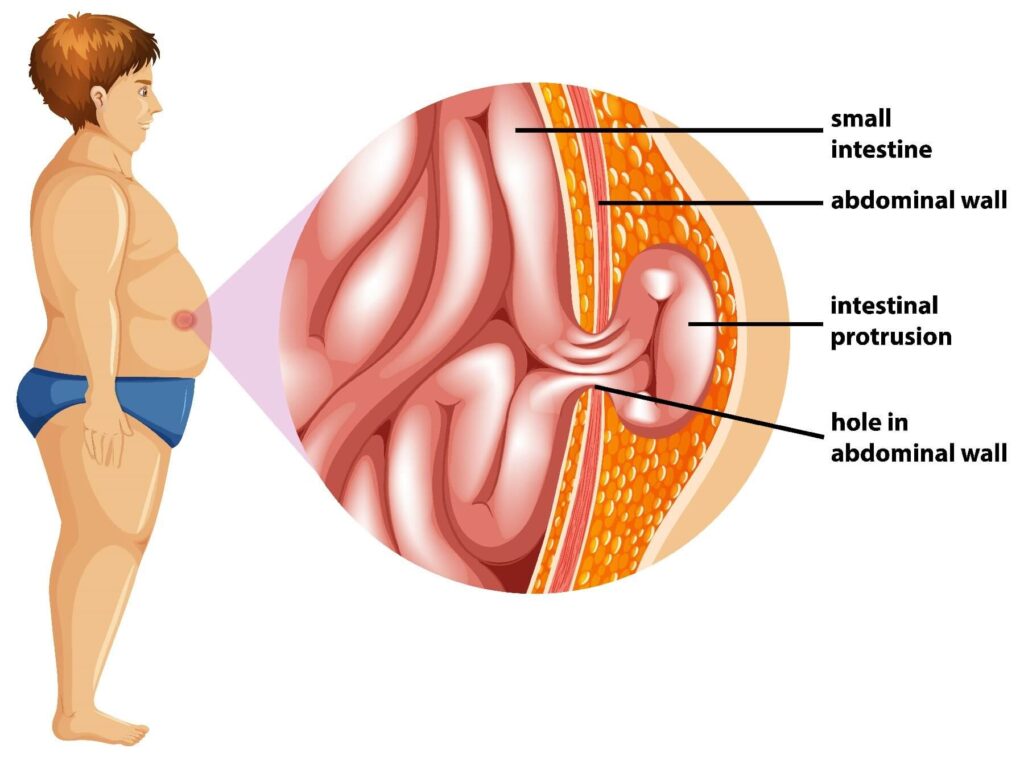
Everything You Want to Know About Hernias Introduction: When it comes to unexpected health issues, hernias are often on the list of conditions that can catch anyone by surprise. A hernia can be a silent problem waiting to reveal itself at any point from infancy to adulthood, under a variety of circumstances. This comprehensive guide will delve into what hernias are, their types, symptoms, causes, and treatments. With a clearer understanding, we hope to demystify this condition and offer practical advice for those dealing with hernias or seeking to prevent them. What is a Hernia? At its most basic, a hernia is a breach in the fortress of the muscle or tissue wall that keeps our organs in place. Imagine a part of an organ, like a section of the intestines, pushing through a weak spot in the abdominal wall; that’s a hernia for you. They’re not necessarily immediate medical emergencies, but they don’t resolve without proper attention and sometimes, surgical intervention. The Different Faces of Hernias Hernias come in various forms, each with its unique characteristics and potential complications: Inguinal Hernias: They’re the most common type and occur when the intestines push through a weak spot in the lower abdominal wall, often in the inguinal canal. Hiatal Hernias: These happen when part of the stomach pushes up through the diaphragm into the chest cavity, often causing acid reflux symptoms. Umbilical Hernias: Common in babies, this type occurs when part of the intestine protrudes through the abdominal wall near the belly button. Ventral Hernias: These can occur over any part of the abdominal wall and are especially common at the site of a previous surgical incision. Recognizing a Hernia: Symptoms and Signs A hernia may not always make its presence known through pain, but when it does, the discomfort can range from a mild sensation of weakness to acute, searing pain that demands immediate attention. The most telling sign of a hernia is often a visible bulge or lump. This protrusion may become more apparent when you stand, cough, or strain and could disappear when you lie down. The lump may be accompanied by a feeling of fullness or ‘heaviness’ in your abdomen or groin. For inguinal hernias, the bulge is typically observed on either side of the pubic bone where the thigh and groin meet. Hiatal hernias, conversely, might not show external signs but present symptoms like heartburn, acid reflux, and difficulty swallowing due to the stomach pushing up through the diaphragm. In severe cases, a hernia can lead to increased pain, changes in coloration of the bulge, or symptoms like nausea and vomiting, indicating possible complications that require urgent care. The Root of the Issue: Causes of Hernias The underlying causes of hernias are as varied as the individuals they affect. A congenital condition present from birth can predispose someone to hernias, as can the natural degradation of muscle strength with age. Injury or previous surgeries that compromise the integrity of the abdominal wall are significant contributors. Strenuous activities that increase abdominal pressure — such as lifting heavy weights without proper technique, persistent and powerful coughing as seen in chronic lung conditions, or even the strain of constipation — can induce hernias. Other factors include obesity, which places continuous stress on the abdominal tissues, and pregnancy, which stretches and weakens abdominal muscles. When to See a Doctor: Diagnosis and Treatment Early diagnosis is vital in managing a hernia effectively. If you notice a bulge or experience symptoms associated with hernias, it’s prudent to seek medical attention. During the examination, your doctor will look for a protrusion in the abdominal area that becomes more prominent under physical strain and ask about any pain, discomfort, or other related symptoms. Imaging tests like ultrasounds, CT scans, or MRIs provide a clearer view of the hernia’s impact on surrounding tissues. Treatment strategies depend on the hernia’s size, location, and the distress it causes. Surgical repair is the definitive treatment, with options ranging from open surgery to minimally invasive laparoscopic techniques. In some cases, where surgery isn’t immediately necessary, your doctor may recommend watchful waiting to monitor the hernia’s progression. The Road to Recovery: Post-Surgery and Beyond Postoperative recovery from hernia surgery is a delicate time, requiring rest and attention to the body’s cues. Pain and swelling are common initially, but with proper medication and care, these symptoms gradually decrease. It’s crucial to limit physical activity, especially any that exert pressure on the surgery site, to allow the body to heal and the repair to solidify. Following your doctor’s recommendations on wound care and gradually reintroducing activity into your routine is essential to a smooth recovery. The risk of recurrence is present, which makes adherence to post-surgery instructions even more critical. A Special Note on Hernias in Babies and Pregnant Women Hernias in infants, such as umbilical hernias, are usually not a cause for alarm and often resolve without intervention. However, any signs of discomfort, pain, or a bulge that becomes firm or discolored should prompt a visit to the paediatrician. Pregnancy can put women at higher risk for hernias due to the extra strain on the abdominal muscles. While hernia repair during pregnancy is rare and typically postponed until after delivery, it’s essential to monitor any hernia’s progression closely during this time to avoid complications. Conclusion: Whether you’re living with a hernia or have just been diagnosed, understanding this condition is critical. With modern medical advances, hernias are highly treatable, and most people return to their normal routines with no lasting effects. By staying informed and working closely with your healthcare provider, you can ensure the best outcomes for hernia treatment and recovery. Recent Posts Everything You Want to Know About Hernias 12 Nov 2023 The Intricacies of Hashimoto's Disease: An In-Depth Look 12 Nov 2023 A Comprehensive Guide to Thyroid Symptoms and Solutions 12 Nov 2023 How to manage Hypothyroidism: The Crucial Role of Diet 12 Nov 2023 Importance Of Fibre In Our Diets 06 Nov 2023 Have Any Question?
The Intricacies of Hashimoto’s Disease: An In-Depth Look
The Intricacies of Hashimoto’s Disease: An In-Depth Look When it comes to thyroid disorders, Hashimoto’s Disease is a prominent condition that many may not fully understand or even know they have. It’s a disease that creeps up silently and gradually makes its presence known through a myriad of symptoms that can affect life’s quality. This blog post aims to shed light on Hashimoto’s Disease, its symptoms, risk factors, causes, and the significant impact of diet and nutrition on managing the condition. Understanding Hashimoto’s Disease Hashimoto’s Disease, named after the Japanese physician Hakaru Hashimoto who first described it in 1912, is an autoimmune disorder affecting the thyroid gland, a small gland located at the base of your neck. This gland’s function is pivotal; it produces hormones that are critical to the body’s metabolism, growth, and development. When someone has Hashimoto’s, their immune system mistakenly targets and gradually destroys thyroid tissue, leading to a decrease in hormone production. The Silent Symptoms of Hashimoto’s Disease The thyroid’s slow decline results in symptoms that are often mistaken for signs of other conditions or overlooked as mere lifestyle fatigue. Symptoms may include: Persistent fatigue, even after a good night’s sleepWeight gain that’s difficult to attribute to changes in diet or exercise habitsSensitivity to cold temperatures, wearing layers even in mild weatherConstipation that’s unresponsive to dietary changesDry, flaking skin, and a puffy face, often attributed to allergies or other skin conditionsA hoarse voice and muscle weakness that may be mistaken for overuse or strainUnexpected aches in muscles and joints, similar to those experienced with overexertion or ageingThese symptoms can evolve so subtly that they’re often dismissed until they become debilitating, leading to the need for medical investigation. Who is at Risk for Hashimoto’s Disease? While anyone can develop Hashimoto’s, certain groups are at an increased risk. Statistically, it’s more prevalent in women, particularly during middle age. However, a person of any age or gender can be affected, especially if there’s a family history of thyroid issues or autoimmune diseases. Other risk factors include personal history of autoimmune conditions, such as type 1 diabetes or rheumatoid arthritis. The Root Causes of Hashimoto’s The precise cause of Hashimoto’s Disease remains a topic of research, but several factors have been identified. Genetic predisposition plays a significant role, and specific genes are associated with an increased risk of developing the condition. However, genetic risk is often acted upon by environmental triggers – such as exposure to radiation, certain medications, and excessive iodine intake – that can precipitate or exacerbate the autoimmune response. Diet’s Role in Hashimoto’s Disease Diet and nutrition are not just parts of managing Hashimoto’s; they are central to it. The thyroid needs specific nutrients to function correctly, with iodine being foremost among them. While both an excess and a deficiency of iodine can exacerbate thyroid problems, a balanced intake is key. Foods rich in selenium are recommended because of their role in protecting the thyroid gland from damage caused by inflammation. Conversely, certain foods contain goitrogens, substances that can interfere with thyroid hormone production. These include soy products, cruciferous vegetables like broccoli and cabbage, and certain root vegetables when eaten in large quantities and in their raw form. While cooking these foods can reduce their goitrogenic effect, it’s important for individuals with Hashimoto’s to be aware of their intake. The link between gluten and Hashimoto’s is also a subject of ongoing discussion. Many people with Hashimoto’s have reported improvement in symptoms on a gluten-free diet, although the evidence is not clear-cut. Given the autoimmune nature of both Hashimoto’s and celiac disease, the dietary overlap in managing both conditions is not surprising. Building a diet that supports thyroid health doesn’t mean one has to endure a bland or restrictive diet. It means being mindful of one’s nutritional choices and understanding the impact they can have on health. Consulting with a dietitian can help in crafting a diet that accommodates personal preferences while managing the condition. Managing Life with Hashimoto’s Beyond diet, managing Hashimoto’s involves regular monitoring and medication to maintain hormone levels. Synthetically manufactured levothyroxine is the standard treatment, effectively normalising hormone levels in most patients. It’s a treatment that requires regular adjustment and fine-tuning, with ongoing communication with healthcare providers. A proactive approach to managing Hashimoto’s also includes being attentive to one’s body. Tracking symptoms, being aware of dietary impacts, and maintaining a regular consultation schedule with healthcare providers are all integral to successful management. Mental health support is also crucial, as the frustration of managing a chronic condition can sometimes be overwhelming. In Conclusion Navigating through the complexities of Hashimoto’s Disease is not a journey to be taken alone. It requires a nuanced understanding of the condition, a supportive medical team, and a community for emotional and practical support. As awareness grows and research progresses, the hope is that more will be understood about this enigmatic condition, leading to better management strategies and improved quality of life for those affected. If you’re dealing with Hashimoto’s or know someone who is, remember that small lifestyle changes, education, and support can make a big difference. Take charge of your thyroid health today by seeking the necessary help and building a supportive network. Share this post to spread awareness, and join the conversation by sharing your experiences with Hashimoto’s Disease in the comments below. This post integrates the specified topics into a cohesive narrative, designed to inform and engage readers with a structured flow of information about Hashimoto’s Disease. It strikes a balance between detailed medical information and practical advice for living with the condition. For a full-length article or for more specific sections to be expanded to meet a word count goal, additional research and subsections could be included, such as patient testimonials, advances in treatment, and links to resources for further reading. Recent Posts Everything You Want to Know About Hernias 12 Nov 2023 The Intricacies of Hashimoto's Disease: An In-Depth Look 12 Nov 2023 A Comprehensive Guide to Thyroid Symptoms and Solutions 12 Nov 2023
A Comprehensive Guide to Thyroid Symptoms and Solutions

A Comprehensive Guide to Thyroid Symptoms and Solutions When it comes to health, one of the smallest glands in our body can have a massive impact – the thyroid. This gland, nestled in the front of the neck, is a powerhouse of hormone production that regulates metabolism. Its influence spans various bodily functions, making any imbalance in its activity a trigger for a host of health issues. Thyroid Dysfunction: What You Need to Know Thyroid dysfunction generally falls into two categories: hypothyroidism and hyperthyroidism. Both conditions are characterised by the gland’s inability to produce hormones within the required normal range. However, the spectrum of symptoms they present can vary dramatically due to their opposite effects on metabolism. Hypothyroidism: The Slowing Down Hypothyroidism is like a slowing current in the river of the body’s metabolism. It occurs when the thyroid doesn’t produce enough hormones, leading to a slowdown in bodily functions. The symptoms may be subtle at first but become more noticeable over time. They can include: Fatigue: A deep and relentless tiredness that rest does not seem to alleviate. Weight Gain: An unexpected increase in weight without a corresponding change in appetite or physical activity. Cold Intolerance: A discomfort in cooler environments, where you find yourself reaching for warm clothing more often than others. Dry Skin and Hair Loss: Skin may become rough and parched, while hair can lose its lushness, becoming thin and brittle. Constipation: A stubborn digestive tract that resists regular bowel movements. Depressive Moods and Foggy Brains: Feelings of depression are common, along with trouble focusing or remembering things. Hyperthyroidism: The Overdrive Hyperthyroidism, in contrast, puts bodily functions into fast-forward. The symptoms are a result of various physiological processes speeding up due to an excess of thyroid hormones and include: Weight Loss: Sudden weight loss despite no significant changes in diet or exercise. Palpitations:A heart racing at an uncomfortably fast rate even at rest. Anxiety and Nervousness: A constant state of agitation or restlessness. Sweating and Heat Intolerance:Difficulty withstanding warm temperatures and excessive sweating. Frequent Bowel Movements:An increase in bowel motility can lead to more frequent visits to the bathroom. Eye Issues: In some cases, especially in Graves’ disease, there may be swelling and bulging of the eyes. Finding Solutions: A Path to Balance Effective management of thyroid disorders begins with accurate diagnosis and understanding. If you suspect you have thyroid-related symptoms, seeking professional medical advice is paramount. A doctor typically recommends blood tests to measure TSH levels, along with thyroid hormone profiles, to ascertain your thyroid’s functioning. Medical Treatments to Restore Balance For Hypothyroidism: The treatment usually involves hormone replacement therapy to supplement the low hormone production. Synthetic thyroxine (T4) is commonly prescribed and is taken daily. For Hyperthyroidism:Treatment options include antithyroid medications, which slow down hormone production, radioactive iodine therapy, or thyroidectomy as a last resort. Lifestyle Adjustments: Complementing Medical Treatment Adjusting your diet is one of the most practical steps you can take. For instance, iodine is critical for thyroid health. Foods like dairy, eggs, and seafood are rich in iodine, and many types of salt are iodized to function; they can be found in nuts, legumes, and whole grains. It’s essential to discuss with a healthcare professional before making significant dietary changes, as individual needs can vary widely, particularly concerning thyroid health. While a healthy diet supports overall wellness, specific to thyroid health, it’s important to manage the intake of certain foods. Consuming large amounts of raw cruciferous vegetables, such as cabbage, broccoli, and cauliflower, may need to be moderated, as they contain goitrogens which potentially interfere with thyroid hormone production. Cooking these vegetables can reduce their goitrogenic activity. Regular exercise is another cornerstone of managing thyroid disorders. For those with hypothyroidism, exercise can help combat the sluggishness by stimulating metabolism and enhancing mood. On the flip side, those with hyperthyroidism need to be cautious as their metabolism is already in overdrive, so a balanced, moderate approach to physical activity is best. Stress management is another critical factor in managing thyroid health. Chronic stress can wreak havoc on the thyroid, as well as overall health. Techniques like deep breathing, yoga, and meditation have been shown to reduce stress and may indirectly help maintain thyroid hormone levels. Regular Monitoring for Optimal Health After initiating treatment for a thyroid disorder, regular follow-up with your physician is necessary to ensure the effectiveness of the medication and to adjust dosages as needed. The right balance of medication, along with lifestyle changes, can lead to a significant improvement in quality of life. The Road Ahead As research advances, new treatments and better management strategies for thyroid disorders continue to emerge. Recent studies point to novel forms of therapy, including targeted drugs that more closely mimic the body’s natural rhythm of thyroid hormone production and release. Conclusion Living with thyroid symptoms can be challenging, but with the right information and care, the condition can be managed effectively. It starts with understanding the signs and continues with seeking medical advice, receiving proper treatment, and adopting healthy lifestyle habits. By taking charge of your thyroid health, you can lead a balanced and fulfilling life. Regular medical follow-up, dietary mindfulness, physical activity, and stress management form the pillars of a comprehensive approach to dealing with thyroid disorders. With perseverance and the proper care, balancing your thyroid function is an attainable and critical goal for long-term well-being. Recent Posts Everything You Want to Know About Hernias 12 Nov 2023 The Intricacies of Hashimoto's Disease: An In-Depth Look 12 Nov 2023 A Comprehensive Guide to Thyroid Symptoms and Solutions 12 Nov 2023 How to manage Hypothyroidism: The Crucial Role of Diet 12 Nov 2023 Importance Of Fibre In Our Diets 06 Nov 2023 Have Any Question? Contact us +91 98840 00171 [email protected]
How to manage Hypothyroidism: The Crucial Role of Diet

How to manage Hypothyroidism: The Crucial Role of Diet Navigating the management of hypothyroidism can indeed be overwhelming, but gaining clarity on the role diet plays in thyroid health can be empowering. With the thyroid gland’s responsibility for releasing hormones that regulate growth, cellular repair, and metabolism, its underperformance can send waves of disruption throughout the body. Hypothyroidism, marked by insufficient hormone production, manifests in symptoms such as persistent fatigue, hair thinning, and unwelcome weight gain, which can significantly detract from one’s quality of life. Therefore, scrutinising the potential of diet in managing this condition is not just beneficial—it’s critical. In a world where processed food consumption is rampant, those with hypothyroidism are often advised to revise their eating habits, favouring a diet that cuts out gluten and minimises inflammatory and processed foods. Shifting focus to foods abundant in essential nutrients can provide the thyroid the support it needs to function optimally. The evidence linking certain nutrients like iodine, selenium, and zinc to thyroid hormone production is clear and suggests that a well-composed diet can play a supportive role in thyroid health, especially when considering autoimmune implications as seen in Hashimoto’s thyroiditis. Crafting a Thyroid-Friendly Diet The foundation of managing hypothyroidism with diet is not about adopting a universal “best diet” but about embracing a personalised nutritional plan that respects the delicate balance necessary for thyroid health. For instance, an ideal breakfast could combine selenium-rich foods like Brazil nuts with high-protein options such as Greek yoghurt or eggs, which sustain energy levels and support the thyroid. To enhance the meal further, incorporating antioxidant-rich foods like berries or iron-packed spinach can offer additional benefits. The Balanced Consumption of Dairy Moderation is key when it comes to dairy intake for thyroid health. Dairy staples, which naturally contain iodine, vitamin D, and calcium, are pivotal for maintaining strong bones—especially crucial since bone density can be at risk in those with thyroid imbalances. The timing of dairy consumption is also significant, as it should be well-coordinated with other dietary elements and medication regimens to optimise health outcomes. Embracing a Holistic Approach to Thyroid Health Promoting thyroid health extends beyond diet to include an array of lifestyle habits. Regular exercise, effective stress reduction, and a diet inclusive of zinc-rich foods like Spinach and pumpkin seeds can create a comprehensive health plan. Favouring anti-inflammatory ingredients within one’s diet is another actionable step toward improving overall wellness for those with hypothyroidism. Fruitful Choices for Thyroid Function Integrating specific fruits into a thyroid-supportive diet can offer extensive benefits, thanks to their vitamin and mineral content. The anti-inflammatory nature of berries and the balanced energy provision from bananas make these fruits particularly advantageous. A diet inclusive of whole fruits also ensures adequate fiber, which can alleviate constipation—a common challenge for those with hypothyroidism. Integrated Thyroid Management at Marina’s Clinic At Marina’s Clinic, led by the expertise of Dr. Preethi, a holistic approach to thyroid health is paramount. The clinic’s integration of personalised nutrition planning with comprehensive treatment strategies underlines its commitment to patient-centric care. Dr. Preethi’s approach not only simplifies the complex relationship between diet and thyroid health but also empowers patients with the knowledge to co-manage their condition effectively. Toward a Well-Rounded Strategy for Hypothyroidism Management To conclude, effective hypothyroidism management transcends medication; it encompasses strategic dietary and lifestyle adjustments. With an informed understanding of the thyroid’s impact on the body and the significance of specific nutrients, individuals can tailor their lifestyle to support their thyroid health actively. Marina’s Clinic dedicates itself to educating and supporting patients through their journey with hypothyroidism, championing a collaborative approach to health and well-being. Recent Posts Everything You Want to Know About Hernias 12 Nov 2023 The Intricacies of Hashimoto's Disease: An In-Depth Look 12 Nov 2023 A Comprehensive Guide to Thyroid Symptoms and Solutions 12 Nov 2023 How to manage Hypothyroidism: The Crucial Role of Diet 12 Nov 2023 Importance Of Fibre In Our Diets 06 Nov 2023 Have Any Question? Contact us +91 98840 00171 [email protected]
Importance Of Fibre In Our Diets

Importance Of Fibre In Our Diets In the bustling journey of modern life, the fundamental significance of dietary fibre often gets overshadowed. However, at Marina’s Clinic, the spotlight is on the pivotal role this humble nutrient plays in fostering a robust digestive system. Under the expert guidance of Dr. Preethi Mrinalini K, our esteemed Gastroenterologist and Consultant Surgeon, we delve into the myriad benefits of high fibre foods and their undeniable contribution to digestive health. Dietary fibre, a plant-derived marvel, embarks on a unique voyage as it navigates through the gastrointestinal tract. Unlike other nutrients, it remains largely undigested, providing a myriad of benefits essential for maintaining a salubrious digestive system. Our Consultant Surgeon, Dr. Preethi Mrinalini K, with over a decade of rich experience and having performed more than 1000 minimal access surgeries, is a maestro in the realm of gastrointestinal, minimal access, and Bariatric surgeries. Trained extensively, she’s a revered member of prestigious medical associations. Currently, Dr. Preethi extends her expertise at Apollo Hospitals and dedicates her evenings to nurturing patient wellness at Marina’s Clinic. At Marina’s Clinic, our focal point is on gastro wellness. The dedicated approach towards understanding and promoting the significance of a fibre-rich diet underscores the clinic’s commitment to patient education and holistic care. The Odyssey of Dietary Fibre:Dietary fibre, a plant-derived marvel, remains undigested as it charts through the gastrointestinal tract, rendering a plethora of benefits that are pivotal for maintaining a salubrious digestive system. India’s Fibre Rich Cornucopia:The Indian culinary domain is a resplendent trove of fibre rich foods. Lentils, beans, myriad whole grains, a spectrum of fruits and verdant vegetables, all constitute the quintessence of traditional Indian diets, offering a fibre-rich dietary tableau conducive for pristine digestive health. High Fibre Foods: The Digestive Custodian:High fibre foods are the linchpin in promoting bowel regularity, which is a cornerstone for optimal digestive health. They add bulk to the stool, aiding in its seamless passage through the digestive tract, thereby preventing constipation and fostering regular bowel movements. Weight Management’s Ally:High fibre foods are invaluable allies in the voyage of weight management. Their inherent property to induce satiety, coupled with their low caloric density, pave the way for effective weight management, which in turn, is symbiotic for an agile digestive system. Plant-Based High Fibre Foods: A Digestive Panacea:Embracing plant-based high fibre foods such as legumes, whole grains, nuts, seeds, fruits, and vegetables not only augments fibre intake but also ushers in a cornucopia of antioxidants, vitamins, and minerals, which are conducive for an overarching spectrum of health benefits. Extending Benefits Beyond the Gut:The benefits of fibre transcend the realm of digestive health, showcasing a promising reduction in the risk of chronic maladies like cardiovascular diseases and Type 2 Diabetes Mellitus, thereby epitomising its holistic health benefits. At Marina’s Clinic, we offer individualised dietary guidance accentuating the inclusion of high fibre foods, harmonised with individual digestive profiles and health objectives, thereby paving the path towards pinnacle digestive health. The narrative of dietary fibre is a testament to the age-old adage, “Let food be thy medicine.” We are committed to navigating you through the fibrous pathway towards impeccable health, where each step is a stride towards a healthier and more fulfilling life. Your journey towards impeccable digestive health and a fulfilling life is just an appointment away at Marina’s Clinic. Recent Posts Everything You Want to Know About Hernias 12 Nov 2023 The Intricacies of Hashimoto's Disease: An In-Depth Look 12 Nov 2023 A Comprehensive Guide to Thyroid Symptoms and Solutions 12 Nov 2023 How to manage Hypothyroidism: The Crucial Role of Diet 12 Nov 2023 Importance Of Fibre In Our Diets 06 Nov 2023 Have Any Question? Contact us +91 98840 00171 [email protected]
Navigating Gut Health: Guide for Optimal Digestive Balance

Navigating Gut Health: Guide for Optimal Digestive Balance Your gut, houses a complex ecosystem of bacteria, viruses, and fungi, known as the microbiome, which plays a pivotal role in your overall health. At Marina’s Clinic, our mission is to guide you towards achieving optimal gut health. Under the expert care of Dr. Preethi, we are committed to offering personalised strategies and a holistic approach to ensure a well-functioning digestive system. At Marina’s Clinic, we take pride in adopting a holistic approach towards gut health, embodying a philosophy that goes beyond merely treating symptoms. We delve into a comprehensive exploration to understand the root causes of your digestive issues, ensuring a personalised and effective pathway to optimal gut wellness. Our ethos is grounded in creating a nurturing and supportive environment for our patients. From the moment you step into Marina’s Clinic, you are welcomed into a space designed to foster healing, education, and a sense of community. We believe that a comfortable and understanding setting is fundamental to promoting an open dialogue about your health, which in turn, paves the way for better diagnosis and treatment. The journey to a balanced digestive system is a collaborative endeavour at Marina’s Clinic. Under the expert guidance of our esteemed Gastroenterologist Dr. Preethi, along with our dedicated and compassionate team, endeavour to provide comprehensive care tailored to your unique needs. Dr. Preethi brings a wealth of knowledge and experience, ensuring that you receive top-tier medical advice and treatment. Her expertise, coupled with the collective efforts of our seasoned team, aims to provide an integrative approach to managing and enhancing your gut health. Recent Posts Everything You Want to Know About Hernias 12 Nov 2023 The Intricacies of Hashimoto's Disease: An In-Depth Look 12 Nov 2023 A Comprehensive Guide to Thyroid Symptoms and Solutions 12 Nov 2023 How to manage Hypothyroidism: The Crucial Role of Diet 12 Nov 2023 Importance Of Fibre In Our Diets 06 Nov 2023 Have Any Question? Contact us +91 98840 00171 [email protected]
Endoscopy Explained: Procedure, Benefits, and Recovery

Endoscopy Explained: Procedure, Benefits, and Recovery Located in the heart of Chennai, Marina’s Clinic, led by the experienced Dr. Preethi, stands as a beacon of hope for patients with gastrointestinal issues. As a premier gastro clinic in Chennai, Marina’s Clinic is dedicated to offering advanced treatments, and one such procedure that stands out is Endoscopy. If you’ve been advised to undergo an endoscopy or are just curious about the process, this article will explain everything you need to know. What is an Endoscopy?An endoscopy is a diagnostic procedure that allows medical professionals to view the inside of your body, specifically the gastrointestinal tract, without having to make large incisions. This is achieved by using a flexible instrument called an endoscope, which has a light and camera at its tip. Types of EndoscopyEndoscopy can be categorized based on the part of the gastrointestinal tract they inspect: Upper Endoscopy (EGD): This targets the esophagus, stomach, and the beginning of the small intestine. Colonoscopy: Focusing on the colon, this is a vital procedure to detect colon cancers. Sigmoidoscopy: This examines the last section of the colon, namely the sigmoid colon. Enteroscopy: Tailored for the small intestine. Capsule Endoscopy: Here, a small capsule with a camera is swallowed by the patient. As it travels, it sends images to a recording device. The choice of endoscopy type depends on the symptoms and the area of concern. Benefits of EndoscopyPrecise Diagnosis: Endoscopy offers clear and real-time images of the gastrointestinal tract, ensuring a more accurate diagnosis. Minimally Invasive: With no need for large incisions, the risk of infections or complications is reduced. Quick Recovery: As a minimally invasive procedure, the recovery time is faster compared to traditional surgeries. The Endoscopy Procedure at Marina’s ClinicAt Marina’s Clinic, patient comfort is paramount. Dr. Preethi and her team ensure that the process is as smooth as possible: Preparation: Before the procedure, patients might be advised to fast or follow a specific diet. This ensures clear visuals during the endoscopy. Sedation: Patients are often given sedatives to ensure they remain calm and comfortable throughout the procedure. Procedure: The endoscope is gently inserted through the mouth or rectum, depending on the type of endoscopy. Images are then transmitted to a screen for the doctor to analyze. Recovery After EndoscopyPost-endoscopy, patients might feel a bit drowsy due to the sedative. It’s advised to have someone accompany you to take you home. Mild discomfort, like a sore throat or bloating, is common but usually subsides within a day. Dr. Preethi’s team at the gastro clinic in Chennai will provide comprehensive after-care instructions and support. ConclusionEndoscopy is a transformative diagnostic tool, offering insights into the gastrointestinal tract with minimal discomfort to the patient. If you or a loved one requires an endoscopy, trust none other than the expertise at Marina’s Clinic, the leading gastro clinic in Chennai, under the guidance of Dr. Preethi. Recent Posts Everything You Want to Know About Hernias 12 Nov 2023 The Intricacies of Hashimoto's Disease: An In-Depth Look 12 Nov 2023 A Comprehensive Guide to Thyroid Symptoms and Solutions 12 Nov 2023 How to manage Hypothyroidism: The Crucial Role of Diet 12 Nov 2023 Importance Of Fibre In Our Diets 06 Nov 2023 Have Any Question? Contact us +91 98840 00171 [email protected]
The Impact of Stress on Gut Health: What You Need to Know

Effective Approaches to Managing Chronic Acid Reflux In today’s fast-paced world, managing stress has become a priority for maintaining both mental health and physical well-being. At Marina’s Clinic, a top-tier gastro clinic in Chennai, we often discuss how our mental state impacts our digestive health. Led by our esteemed specialist, Dr. Preethi, we’re delving deep into the profound connection between stress and gut health. By understanding this relationship and adopting a healthy diet, exercise, and hydration routine, you can significantly enhance your gut health. The Intricate Gut-Brain Connection Central to this topic is the gut-brain axis. This bidirectional communication bridge between our central nervous system (primarily the brain) and our gut has a profound influence on our overall health. Ever felt those nerves in your stomach before an important meeting? That’s your gut and brain conversing! Stress and Its Effects on Gut Health Stress, whether fleeting or chronic, can wreak havoc on your gut in various ways: Altered Gut Motility: Stress can either hasten or slow the passage of food through your digestive system, resulting in conditions like constipation or diarrhea. Increased Gut Permeability: Long-term stress might lead to a “leaky gut,” a condition where harmful bacteria and toxins permeate the intestinal walls, entering your bloodstream. Gut Flora Imbalance: Your gut’s bacterial balance can be disrupted by stress, leading to digestive problems and a compromised immune system. Inflammation: Persistent stress heightens inflammation, which in turn can deteriorate gut function, possibly resulting in disorders like IBS. Promoting Gut Health Through Stress Management and Lifestyle Choices Mindfulness and Meditation: To manage stress and support mental health, incorporate practices like mindfulness and meditation, which offer dual benefits for the mind and gut. Diet and Probiotics: A healthy diet, complemented with probiotics, ensures a balanced gut microbiome. Probiotics introduce beneficial bacteria that can combat the negative effects of stress. Exercise: Regular physical activity reduces stress hormones, boosts mood, and can foster the growth of beneficial gut bacteria. Stay Hydrated: Hydration aids digestion and supports a healthy gut environment. Drink adequate water throughout the day. Seek Expert Guidance: Persistent gut issues necessitate expert consultation. At Marina’s Clinic, our team, is ever ready to assist you in achieving and maintaining optimal gut health. In Conclusion Our digestive health is a mirror to our overall well-being. With the undeniable interplay between stress and gut health, it’s paramount to adopt a comprehensive approach encompassing stress management, mental health focus, a healthy diet, exercise, and proper hydration. If you’re on the lookout for expert advice and top-notch services related to digestive health, make Marina’s Clinic your first stop. As a premier gastro clinic in Chennai, our commitment to your health is unwavering. Recent Posts Everything You Want to Know About Hernias 12 Nov 2023 The Intricacies of Hashimoto's Disease: An In-Depth Look 12 Nov 2023 A Comprehensive Guide to Thyroid Symptoms and Solutions 12 Nov 2023 How to manage Hypothyroidism: The Crucial Role of Diet 12 Nov 2023 Importance Of Fibre In Our Diets 06 Nov 2023 Have Any Question? Contact us +91 98840 00171 [email protected]