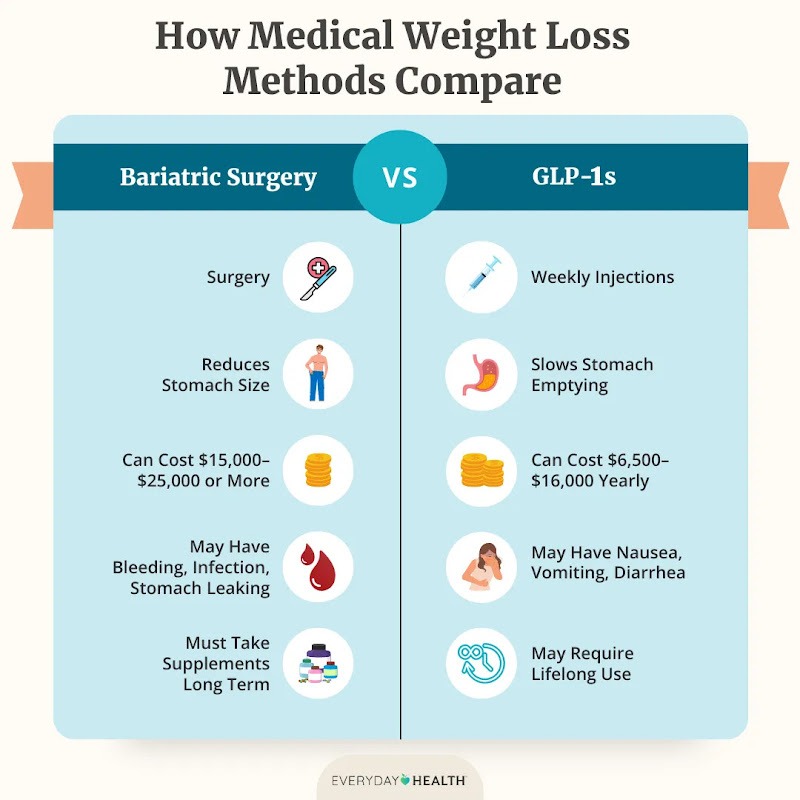
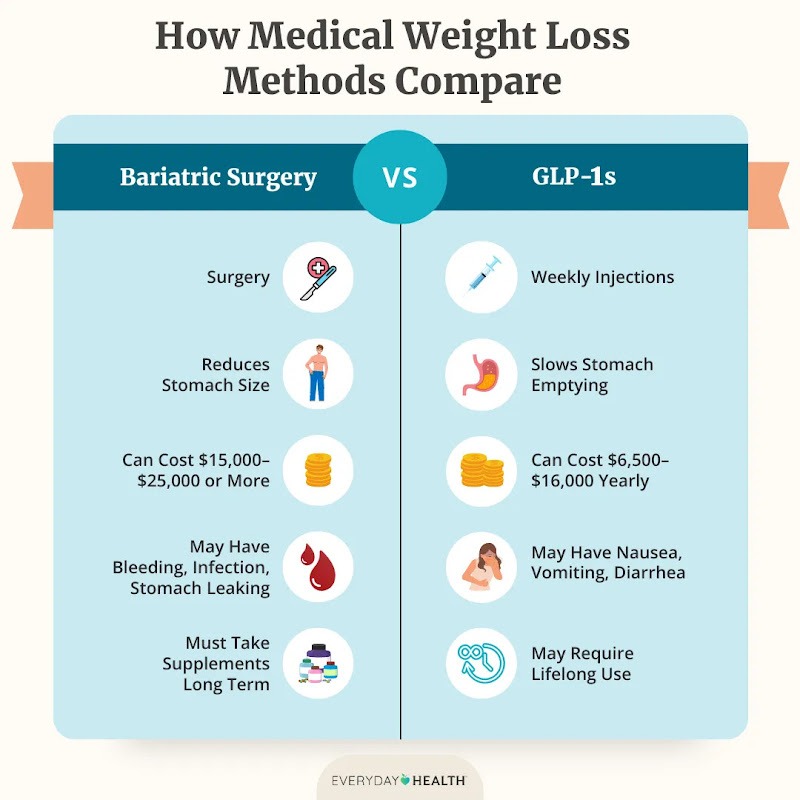
Weight loss is not just about appearance it is about improving health, confidence, and quality of life. For individuals struggling with severe obesity, traditional methods like diet and exercise may not deliver long-term results. This is where medical intervention, particularly weight loss (bariatric) procedures, plays a transformative role.
But with multiple options available, choosing the right procedure can feel overwhelming. Each method has its own benefits, risks, and suitability depending on your health condition and goals.
This guide breaks down the most common weight loss procedures and helps you understand which one might be right for you.
Understanding Weight Loss Procedures
Weight loss procedures are designed to help reduce body weight by either:
- Limiting how much food your stomach can hold
- Reducing nutrient absorption
- Or a combination of both
They are typically recommended for individuals with:
- A Body Mass Index (BMI) of 35 or higher
- Obesity-related health conditions such as diabetes, hypertension, or sleep apnea
1. Gastric Sleeve (Sleeve Gastrectomy)
What It Is:
A surgical procedure where a large portion of the stomach is removed, leaving a smaller, sleeve-shaped stomach.
How It Works:
- Reduces stomach size
- Decreases hunger hormones
Benefits:
- Significant and steady weight loss
- Simpler compared to other surgeries
- Shorter hospital stay
Considerations:
- Irreversible
- Requires long-term dietary changes
Best For: Patients looking for a balance between effectiveness and lower surgical complexity.
2. Gastric Bypass (Roux-en-Y)
What It Is:
A procedure that creates a small stomach pouch and reroutes the digestive system.
How It Works:
- Limits food intake
- Reduces calorie absorption
Benefits:
- Rapid weight loss
- Highly effective for diabetes control
- Long-term results
Considerations:
- More complex surgery
- Requires strict nutritional monitoring
Best For: Individuals with severe obesity or obesity-related conditions like type 2 diabetes.
3. Mini Gastric Bypass
What It Is:
A simplified version of traditional gastric bypass.
How It Works:
- Creates a smaller stomach pouch
- Bypasses part of the intestine
Benefits:
- Shorter surgery time
- Effective weight loss
- Lower complication rates compared to full bypass
Considerations:
- Risk of acid reflux in some cases
- Requires lifestyle commitment
Best For: Patients seeking effective results with slightly less complexity than traditional bypass.
4. Adjustable Gastric Band (Lap Band)
What It Is:
A band is placed around the upper part of the stomach to create a small pouch.
How It Works:
- Restricts food intake
- Adjustable and reversible
Benefits:
- No permanent changes to the stomach
- Lower surgical risk
- Adjustable over time
Considerations:
- Slower weight loss
- Requires frequent follow-ups
- Less commonly used today
Best For: Patients who prefer a reversible option and are committed to long-term follow-up care.
5. Endoscopic Weight Loss Procedures
What It Is:
Non-surgical procedures performed using an endoscope (no external incisions).
How It Works:
- Reduces stomach volume using internal sutures or balloons
Benefits:
- Minimally invasive
- Faster recovery
- Lower risk
Considerations:
- Moderate weight loss compared to surgery
- May not be suitable for severe obesity
Best For: Individuals looking for less invasive options with shorter recovery time.
Key Factors to Consider Before Choosing
Choosing the right procedure is not just about effectiveness it is about suitability.
Important Factors:
- Your BMI and overall health
- Existing medical conditions
- Lifestyle and eating habits
- Willingness to follow long-term dietary changes
- Surgeon’s recommendation
Life After Weight Loss Surgery
No matter which procedure you choose, long-term success depends on lifestyle changes.
Patients must:
- Follow a structured diet plan
- Maintain regular physical activity
- Attend follow-up consultations
- Monitor nutritional intake
Common Misconceptions
- “Surgery is an easy way out” – In reality, it requires lifelong discipline
- “Results are instant and permanent” – Weight loss is gradual and must be maintained
- “All procedures are the same” – Each method has distinct outcomes and risks
Understanding these realities helps set the right expectations.
Final Thoughts
There is no one-size-fits-all solution when it comes to weight loss procedures. The right choice depends on your body, health conditions, and long-term goals.
What matters most is making an informed decision with the guidance of a qualified medical professional. With the right approach, weight loss surgery can be life-changing not just physically, but mentally and emotionally as well.