Addressing the Rise in Colorectal Cancer
Addressing the Rise in Colorectal Cancer Colorectal cancer cases in recent years have drawn the attention of both patients and medical professionals. Chief surgeon Dr. Preethi Mrinalini K of Marina’s Clinic in Chennai emphasises the significance of comprehending the causes of this rise and the actions people can take to reduce their risk. This blog post explores prevention tactics and the critical role that early detection plays in the fight against this illness. Understanding Colorectal Cancer Though it is sometimes disregarded, colorectal cancer is a serious enemy that has to be taken seriously. This kind of cancer starts in the colon or rectum and mostly affects elderly people, while younger people are being diagnosed with it more frequently. It is essential to comprehend its symptoms to discover it early and treat it effectively. Changes in bowel habits, blood in the stool, discomfort in the abdomen, inexplicable weight loss, and exhaustion are among the possible symptoms. Colonoscopies and other screening procedures can help in early detection, which may save lives. Stressing a healthy lifestyle that includes regular exercise and a well-balanced, high-fiber diet can also help reduce the risk of colorectal cancer. In the fight against this illness, raising awareness and taking preventative medical action are essential. Strategies for Prevention Dietary modifications: Including a range of vibrant fruits and vegetables in your meals gives you important antioxidants that help prevent cell damage in addition to providing vitamins and minerals. Fibre included in whole grains like quinoa, brown rice, and oats promotes regular bowel movements and assists with digestion. Cutting back on red and processed meat consumption can help reduce exposure to chemicals that raise the risk of colorectal cancer.Regular Screening: Colonoscopies are the gold standard for screening for colorectal cancer because they enable medical professionals to find and remove precancerous polyps before they turn into cancer. Dr. Preethi Mrinalini emphasises that most people should start screenings at age 45, but those who have a family history of the condition or other risk factors may need to start even earlier. Physical Activity: Maintaining a regular exercise schedule helps manage weight and also decreases insulin levels, soothes inflammation in the body, and aids in a healthy digestive system. To benefit from the preventative effects of colorectal cancer, aim for at least 150 minutes of moderate-intensity exercise per week, such as brisk walking, cycling, or swimming.Avoid Smoking and limit alcohol: Because tobacco includes carcinogenic substances that can harm cells in the colon and rectum, smoking raises the risk of getting colorectal cancer. Similarly, consuming too much alcohol can cause irritation and inflammation in the intestinal lining, which increases the risk of cancer. Two essential measures in the prevention of colorectal cancer are giving up smoking and reducing alcohol use. Maintain a Healthy Weight: Since excess body fat may lead to inflammation and insulin resistance, obesity is a known risk factor for colon cancer. People can attain and sustain a healthy weight and lower their risk of colorectal cancer and other chronic diseases by following a balanced diet and getting regular exercise.Understand Your Family History: Medical professionals can evaluate your risk and suggest suitable screening intervals if they are aware of your family’s medical history, particularly concerning colorectal cancer or other gastrointestinal disorders. To further assess your risk factors, genetic counseling might be helpful if there is a family history of the illness. Watch for Symptoms: Although colorectal cancer may not show any symptoms at first, it’s important to be aware of any changes in bowel patterns, such as chronic constipation or diarrhea, blood in the stool, stomach pain, cramping, unexplained weight loss, or exhaustion. Informing your healthcare provider of any troubling symptoms as soon as possible enables prompt investigation and maybe early discovery.Frequent Medical Check-Ups: Regular visits to your doctor are essential for preserving general health and identifying any potential issues, such as colorectal cancer. Comprehensive medical screenings and evaluations are performed at Marina’s Clinic to keep an eye on your health and quickly treat any new concerns. Conclusion It is more crucial than ever to take preventative action as the risk of colorectal cancer is rising. People can greatly lower their risk by making better lifestyle decisions and being screened frequently. To effectively fight this disease, Dr. Preethi Mrinalini K and the medical professionals at Marinas Clinic are committed to offering the best possible care and education. Recent Posts Diet and Lifestyle Tips for a Healthy Recovery Post-Appendectomy 08 May 2024 Understanding the Hidden Triggers of GERD: Identifying and Managing Food and Lifestyle Factors 06 May 2024 The Role of Exercise in Managing Morbid Obesity 29 Apr 2024 How Weather Conditions Affect Varicose Veins 29 Apr 2024 What is an Incisional Hernia? 24 Apr 2024 Have Any Question? Contact us +91 98840 00171 [email protected]
9 Effective Ways to Prevent the Risk of Gallstone Problems

9 Effective Ways to Prevent the Risk of Gallstone Problems Gallstones are small, hard deposits that develop in the small organ called the gallbladder, which is situated under the liver. The obstruction of bile flow by these stones can result in severe discomfort and other digestive problems. Thankfully, the chance of gallstones developing can be decreased with specific dietary and lifestyle modifications. The chief surgeon of Chennai’s Marinas Clinic, Dr. Preethi Mrinalini, offers her professional guidance on avoiding gallstone problems. Understanding Gallstones An imbalance in the components of bile, such as cholesterol, bile salts, and bilirubin, can result in gallstones. Gallstones can be more common in people who are obese, have a diet heavy in fats and carbohydrates, or have certain medical conditions. Gallstones can affect anyone, although they are more common in women, those over 40, and those who have a family history of the condition. Prevention Strategies 1. Maintain a Healthy WeightMaintaining a healthy weight is essential for avoiding gallstones. The most frequent kind of gallstones, cholesterol stones, can result from obesity’s increased bile cholesterol levels. Due to possible bile chemical imbalances, Dr. Mirnalini advises progressive weight loss as opposed to quick weight loss, which may potentially increase the risk of gallstones. 2. Balanced DietMaintaining a healthy weight is essential for avoiding gallstones. The most frequent kind of gallstones, cholesterol stones, can result from obesity’s increased bile cholesterol levels. Due to possible bile chemical imbalances, Dr. Mirnalini advises progressive weight loss as opposed to quick weight loss, which may potentially increase the incidence of gallstones.3. Regular ExerciseFrequent physical activity promotes healthy weight management and gallbladder function generally. Aim for 150 minutes or more each week of moderate-intensity activity, including brisk walking or cycling.4. Stay HydratedTo keep the bile in your gallbladder fluid and make gallstones less likely to form, you must stay hydrated. Throughout the day, try to consume eight 8-ounce glasses of water.5. Limit High-Fat FoodsLowering consumption of fried and high-fat foods can help lower the risk of gallstones. These meals may result in less frequent gallbladder contractions, which could accumulate bile.6. Increase Fiber IntakeFibre improves regular bowel movements and lowers cholesterol, both of which support the maintenance of a healthy gallbladder. Broccoli, berries, oats, and legumes are among the foods high in fiber.7. Moderate Sugar IntakeConsuming too much sugar is associated with obesity, which raises the possibility of gallstones. Eat fewer foods and drinks that have a lot of added sugar.8. Healthy FatsGallstones can be avoided by including healthy fats in your diet, such as those in nuts, seafood, and avocados. These fats support healthy gallbladder function.9. Regular Check-UpsRegular checkups by medical professionals can assist in identifying gallbladder problems before they worsen. Dr. Mirnalini advises yearly or annual checkups, particularly for more vulnerable individuals. Conclusion: In addition to being uncomfortable, gallstones can cause serious health issues if left untreated. Nonetheless, you may greatly lower your chance of getting gallstones by leading a healthy lifestyle and making proactive dietary decisions. The staff at Marinas Clinic, led by Dr. Preethi Mrinalini, is committed to giving patients the knowledge and encouragement they need to live healthier lives free from the discomfort of gallstones. You may take charge of your health and reduce your chance of developing this common but avoidable ailment by paying attention to these guidelines. Recent Posts Diet and Lifestyle Tips for a Healthy Recovery Post-Appendectomy 08 May 2024 Understanding the Hidden Triggers of GERD: Identifying and Managing Food and Lifestyle Factors 06 May 2024 The Role of Exercise in Managing Morbid Obesity 29 Apr 2024 How Weather Conditions Affect Varicose Veins 29 Apr 2024 What is an Incisional Hernia? 24 Apr 2024 Have Any Question? Contact us +91 98840 00171 [email protected]
Complications of Untreated Hernia
Complications of Untreated Hernia Although hernias are frequently thought of as a simple medical condition, if they are not addressed, they can cause major consequences. This blog aims to provide light on the possible complications associated with hernias and the significance of early medical surgery through the professional insights of a leading female surgeon in Chennai, Dr. Preeti Mirnalini. Understanding HerniasAn organ or fatty tissue pushing through a weak point in the fascia, the surrounding muscle, or connective tissue, results in a hernia. The most common kinds of hernias are abdominal ones, more specifically inguinal hernias, which affect both men and women but are more common in men.Complications of Hernias Several consequences might arise from ignoring or not treating a hernia: 1. IncarcerationWhen the bulging organ or tissue becomes stuck and difficult to reposition, the hernia becomes imprisoned. This syndrome can cause excruciating pain and swelling and stop the blood supply to the trapped tissue. 2. StrangulationWhen the blood supply to the herniated tissue is severed, strangulation happens. This is a critical situation that needs to be surgically treated right away. If strangulated tissue is not treated right away, it can soon perish and cause major consequences. 3. ObstructionObstruction can result from hernias, especially bowel-related. Severe discomfort, vomiting, and difficulty passing gas or stool are among the symptoms. This is an additional instance where immediate surgery is required to stop the patient’s condition from getting worse. 4. Hydrocele and Testicular AtrophyIn particular, when a portion of the intestine falls into the scrotum and impairs circulation, issues related to inguinal hernias can lead to the development of hydrocele or testicular atrophy in men. The Importance of Timely Treatment These consequences may arise from ignoring hernia symptoms or postponing treatment, underscoring the urgency of seeking immediate medical attention. As noted by one of Chennai’s top female physicians, Dr. Preeti Mirnalini. “Early diagnosis and treatment can prevent complications that are not only painful but also potentially life-threatening.” Choosing the Right SurgeonMany talented female surgeons in Chennai are well-known for their proficiency in hernia repairs. One such surgeon is Dr. Preeti Mirnalini of Marina’s Clinic. Surgical OptionsDepending on where and how severe the hernia is, repair options for hernias include laparoscopic surgery and open surgery. Efficient repair of the hernia is the goal of both techniques, which also minimize recovery time and lower the chance of recurrence. ConclusionSee a doctor right away if you think you may have a hernia. Consultation with a renowned female surgeon such as Dr. Preeti Mirnalini at Marina’s Clinic can be a great option for outstanding care. Their experience in treating hernias guarantees that patients receive excellent surgical care and are informed about the significance of prompt treatment. Recall that a hernia does not heal by itself. More serious health problems will only arise if the signs are ignored or treatment is put off. Put your health first and consult reputable medical experts for help. Recent Posts Complications of Untreated Hernia 15 Apr 2024 Is Walking Beneficial for Varicose Veins? 09 Apr 2024 Peripheral Vascular Disease: Understanding the Symptoms and Risk Factors 09 Apr 2024 Can Supplements Improve Your Recovery After Surgery? 08 Apr 2024 Considerations of Repairing a Hernia when Pregnant 08 Apr 2024 Have Any Question? Contact us +91 98840 00171 [email protected]
Is Walking Beneficial for Varicose Veins?
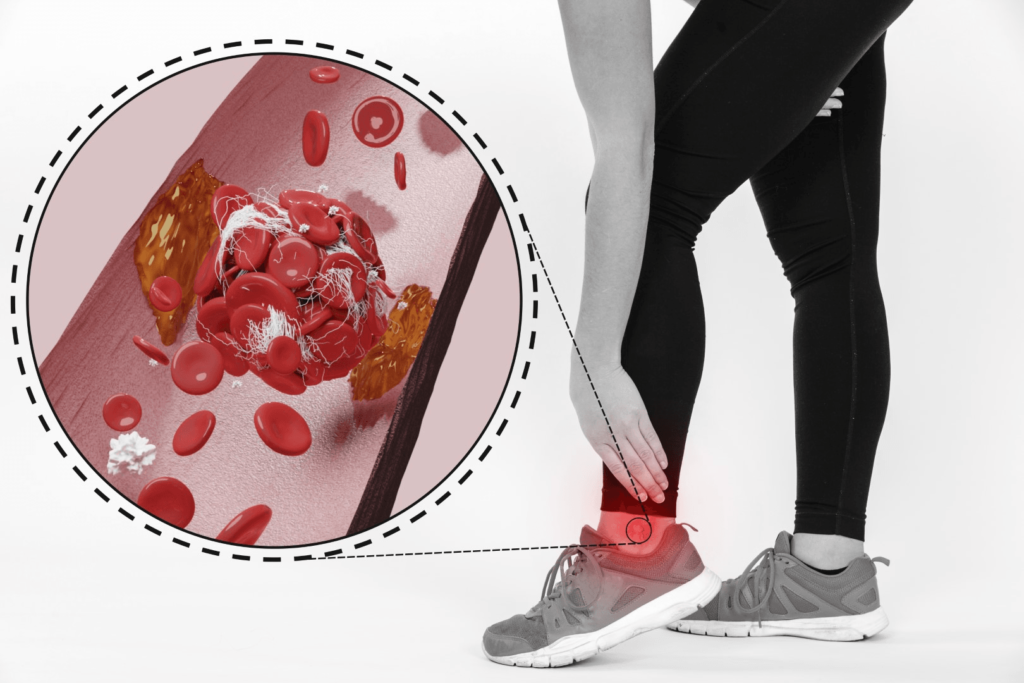
Is Walking Beneficial for Varicose Veins Varicose veins are a common condition that affects many individuals, causing discomfort and sometimes even pain. While there are various treatment options available, incorporating simple lifestyle changes can also play a significant role in managing this condition. One such lifestyle modification that often comes into focus is walking. But is walking truly beneficial for varicose veins? Let’s hear it from Dr. Preethi Mrinalini, renowned as the best female doctor in Chennai for her expertise in vascular health. Understanding Varicose Veins: Before we explore the benefits of walking, let’s briefly understand what varicose veins are. Varicose veins are enlarged, swollen, and twisted veins that typically appear blue or dark purple. They often occur in the legs and can be caused by various factors such as genetics, age, pregnancy, obesity, or prolonged periods of standing or sitting. Treatments for Varicose Veins Laser Therapy: Laser therapy, also known as endovenous laser treatment (EVLT), is a minimally invasive procedure that uses laser energy to heat and seal off the affected vein. This causes the vein to collapse and eventually be reabsorbed by the body, improving both symptoms and appearance. Sclerotherapy: In this procedure, a special solution is injected directly into the varicose vein, causing it to collapse and fade from view. Sclerotherapy is particularly effective for smaller varicose veins and spider veins. Vein Stripping: This traditional surgical procedure involves removing the affected vein through small incisions. While it may be necessary for severe cases, newer, less invasive treatments are often preferred. Radiofrequency Ablation: Similar to laser therapy, radiofrequency ablation uses heat energy to seal off the affected vein. This procedure is highly effective and associated with minimal discomfort and downtime. Ambulatory Phlebectomy: In this outpatient procedure, small incisions are made to remove the varicose veins. Ambulatory phlebectomy is often used for larger veins that cannot be treated with sclerotherapy or laser therapy alone. Dr. Preethi Mrinalini’s Perspective: Improved Circulation: Walking promotes blood circulation throughout the body, including the legs. This helps to prevent blood from pooling in the veins and reduces the likelihood of varicose veins worsening. Muscle Pump Action: Walking engages the calf muscles, which act as a natural pump, aiding in the circulation of blood from the legs back to the heart. This helps to alleviate the pressure on the veins and reduces the risk of developing or worsening varicose veins. Weight Management: Maintaining a healthy weight is crucial for managing varicose veins. Walking is an excellent form of exercise that can help individuals maintain a healthy weight or even lose excess weight, reducing the strain on the veins. Prevention of Complications: Regular walking not only helps in managing varicose veins but also reduces the risk of complications such as blood clots or venous ulcers. Incorporating Walking into Daily Routine: Dr. Preethi Mrinalini emphasises the importance of incorporating walking into daily routines for individuals with varicose veins. Simple lifestyle changes such as taking short walks during breaks at work, opting for stairs instead of elevators whenever possible, or going for a brisk walk in the evening can make a significant difference in managing this condition. However, it’s essential to consult with a healthcare professional before starting any new exercise regimen, especially if you have underlying health conditions or if varicose veins are severe. Conclusion: Walking is beneficial for individuals dealing with varicose veins. As highlighted by Dr. Preethi Mrinalini, the best female doctor in Chennai specialising in vascular health, incorporating regular walking into one’s routine can help improve circulation, alleviate symptoms, and prevent complications associated with varicose veins. So lace up those walking shoes and take a step towards better vascular health today! Recent Posts Is Walking Beneficial for Varicose Veins? 09 Apr 2024 Peripheral Vascular Disease: Understanding the Symptoms and Risk Factors 09 Apr 2024 What is the Connection Between Obesity and Vascular Health Issues? 26 Mar 2024 Weather Conditions Affect Varicose Veins? 26 Mar 2024 Functional Considerations in Breast Reconstruction 19 Mar 2024 Have Any Question? Contact us +91 98840 00171 [email protected]
Peripheral Vascular Disease: Understanding the Symptoms and Risk Factors
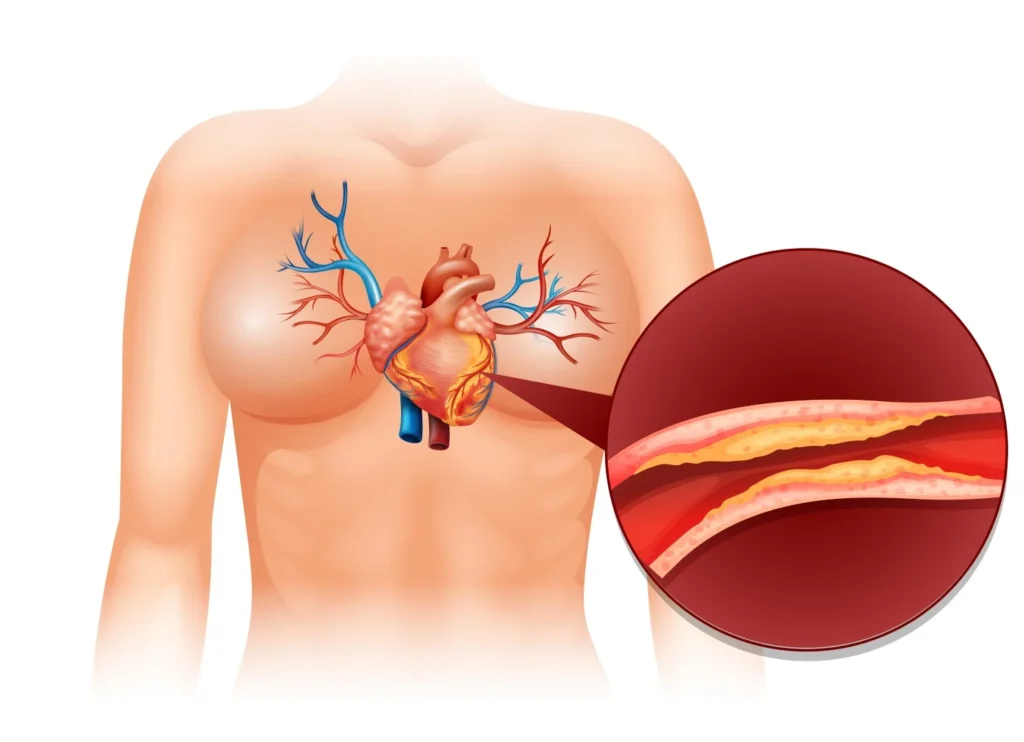
Peripheral Vascular Disease: Understanding the Symptoms and Risk Factors What is Peripheral Vascular Disease?Peripheral Vascular Disease refers to a group of disorders that affect blood vessels outside of the heart and brain. These blood vessels, including arteries and veins, play a crucial role in supplying oxygen-rich blood to various parts of the body, such as the legs, arms, and abdomen. When these vessels become narrowed or blocked due to plaque buildup (atherosclerosis) or other factors, it can lead to restricted blood flow, causing symptoms and complications.Recognising the Symptoms:One of the challenges with PVD is that it often manifests subtly, with symptoms that can be mistaken for other conditions or attributed to aging. However, being aware of the signs can help in early detection and intervention. Common symptoms of PVD include:1. Leg Pain: This is perhaps the most recognisable symptom of PVD. Pain or cramping in the legs, especially during physical activity (intermittent claudication), can indicate reduced blood flow to the lower extremities. 2. Numbness or Weakness: Some individuals may experience numbness, weakness, or tingling sensations in the affected limbs. 3. Coldness or Discolouration: The affected limbs may feel colder than usual, and the skin may appear pale or bluish in colour. 4. Slow-healing Wounds: Reduced blood flow can impair the body’s ability to heal wounds, leading to slow-healing ulcers, particularly on the legs or feet. 5. Impotence: In men, PVD can sometimes manifest as erectile dysfunction due to compromised blood flow to the genital area. Understanding the Risk FactorsSeveral factors contribute to the development of Peripheral Vascular Disease. These include: 1. Smoking: Tobacco use is one of the most significant risk factors for PVD. Smoking damages blood vessels, accelerates plaque buildup, and increases the risk of complications. 2. Diabetes: Individuals with diabetes are at a higher risk of developing PVD due to elevated blood sugar levels that can damage blood vessels over time. 3. High Blood Pressure: Hypertension puts added strain on the arteries, contributing to atherosclerosis and narrowing of blood vessels. 4. High Cholesterol: Elevated levels of cholesterol, particularly LDL cholesterol (“bad” cholesterol), can lead to plaque buildup in the arteries. 5. Obesity: Being overweight or obese increases the risk of PVD as it strains the cardiovascular system and promotes atherosclerosis. 6. Age and Family History: Advancing age and a family history of cardiovascular disease also elevate the risk of PVD.Seeking Expert Guidance If you experience any of the symptoms associated with Peripheral Vascular Disease or have risk factors predisposing you to the condition, it’s essential to seek medical evaluation promptly. Consulting a qualified healthcare professional, such as Dr. Preethi Mrinalini, the esteemed female surgeon known for her expertise in vascular surgery in Chennai, can provide personalised guidance and treatment options.Dr. Preethi Mrinalini, renowned for her commitment to patient care and surgical excellence, emphasises the importance of early detection and management of PVD to prevent complications and improve quality of life. With her extensive experience and compassionate approach, she ensures that patients receive the highest standard of care tailored to their unique needs. Recent Posts Peripheral Vascular Disease: Understanding the Symptoms and Risk Factors 09 Apr 2024 What is the Connection Between Obesity and Vascular Health Issues? 26 Mar 2024 Weather Conditions Affect Varicose Veins? 26 Mar 2024 Functional Considerations in Breast Reconstruction 19 Mar 2024 What is Oncoplastic Breast Conservation Surgery? 19 Mar 2024 Have Any Question? Contact us +91 98840 00171 [email protected]
Can Supplements Improve Your Recovery After Surgery?
Can Supplements Improve Your Recovery After Surgery? Following surgery, healing can be difficult. Patients frequently look for practical solutions to shorten the length of their post-operative suffering and speed up their recovery. Adding supplements to their diet is one popular strategy that many people take into consideration. How helpful, though, are these supplements? Can they speed up the recovery process after surgery? Supplements are frequently promoted for their ability to supply the body with vital nutrients that aid in healing and recovery, hence bridging nutritional gaps in our diets. Your body needs more nutrients after surgery to rebuild tissues, lessen inflammation, and increase immunity. While certain supplements help with immune system function and tissue healing, others are well known for their anti-inflammatory qualities.But it’s important to be cautious while supplementing. The effectiveness of supplements can change depending on the type of operation being defined, the health situation of the patient, and the particular supplements being used. Before adding any supplements to your rehabilitation regimen, you must speak with medical experts, like the top female doctors in Chennai. Dr. Preethi Mrinalini K’s Perspective on Post-Surgical SupplementsOne of the top female doctors in Chennai, Dr. Preethi Mrinalini K., highlights the significance of surgical supplements. Dr. Preethi Mrinalini states that although some supplements have demonstrated potential to aid in rehabilitation, the patient’s general health and particular dietary requirements might substantially impact the supplement’s effectiveness.For example, protein supplements can help promote wound healing and tissue restoration. Additionally essential for the immunological system and tissue regeneration are vitamins A and C. Omega-3 fatty acids have anti-inflammatory properties that may speed up healing.Patients shouldn’t self-prescribe vitamins, suggests Dr. Preethi Mrinalini K. Rather, they should see medical professionals for advice on creating a supplement regimen that is both safe and helpful for their particular healing needs. Choosing the suitable supplements Speak with Medical Professionals:Before beginning any supplement, it’s crucial to speak with medical professionals, particularly if you are recovering from surgery.Quality Is Vital: Choose trustworthy, high-quality products that offer powerful, pure supplements so you may receive the advantages without worrying about hazardous chemicals.Individual needs: recognize that people may have quite different demands when it comes to supplements. What suits one individual might not be appropriate for another. Monitoring: Discuss any side effects and your progress with your healthcare physician on a regular basis. Modifying your supplement prescription is necessary. Conclusion:Supplements are not a universal solution, even though they may improve post-operative recovery and provide extra nutritional assistance. Having a skilled medical practitioner like Dr. Preethi Mrinalini K. as your guide can help you create a customized recovery plan that works well after surgery. Informed and cautious supplement management might help patients achieve a safer and possibly quicker recovery. Recent Posts Diet and Lifestyle Tips for a Healthy Recovery Post-Appendectomy 08 May 2024 Understanding the Hidden Triggers of GERD: Identifying and Managing Food and Lifestyle Factors 06 May 2024 The Role of Exercise in Managing Morbid Obesity 29 Apr 2024 How Weather Conditions Affect Varicose Veins 29 Apr 2024 What is an Incisional Hernia? 24 Apr 2024 Have Any Question? Contact us +91 98840 00171 [email protected]
Considerations of Repairing a Hernia when Pregnant

Considerations of Repairing a Hernia when Pregnant Introduction:For pregnant moms, the development of a hernia during pregnancy can bring complications and anxieties. An organ or tissue protruding through a hole or weak spot in the surrounding muscle or connective tissue is referred to as a hernia. Despite being relatively uncommon, pregnancy-related hernias can present difficulties because of the physiological changes and elevated abdominal pressure that come with being pregnant. For the best interests of both the mother and the fetus, it is imperative to comprehend the consequences of a hernia during pregnancy and make educated decisions.Dr. Preethi Mrinalini, our chief surgeon, will tailor the treatment plan according to each individual’s specific health conditions. Understanding Hernias During Pregnancy:An organ or fatty tissue can herniate when it pushes through a weak point in the surrounding muscle or connective tissue. Because pregnancy puts more pressure on the abdomen and surrounding tissues, there is a higher chance of developing hernias. Umbilical and inguinal hernias are the two most prevalent forms among expectant mothers. If these diseases are not appropriately treated, they might have consequences for the pregnancy in addition to causing discomfort. When to Consider Surgery:The size, location, discomfort, and potential hazards to the woman and unborn child all play a role in the decision to have a hernia repaired during pregnancy. Usually, doctors would rather wait to perform surgery on a hernia until after birth if it is not causing any pain or difficulties. However, quick surgery can be required to avoid more serious health issues in situations where there is a possibility of the hernia being chained or compressed.Experience and Expertise:Renowned hernia specialist Dr. Preethi Mirnalini K is well-known for her skill in treating hernias, especially in expectant patients. She guarantees the best time and kind of surgery based on the individual demands of each patient, thanks to her proven track record and caring demeanour. For knowledgeable treatment and a less stressful pregnant hernia recovery process, rely on Dr. Preethi Mirnalini K. Patient-Centred Care:Throughout your hernia treatment process, Dr. Preethi Mirnalini K puts your comfort, worries, and expectations first. She makes sure you always feel acknowledged, appreciated, and comforted with her attentive manner and custom care. You can rely on Dr. Preethi Mirnalini K for knowledgeable hernia care that prioritises your needs and wellbeing. Conclusion:Pregnancy-related hernias are a problem that needs to be treated with caution and knowledge. A crucial first step towards guaranteeing the health and wellbeing of mother and child for women in Chennai is choosing the greatest female physician. You may face this challenge with confidence if you have the proper medical partner, especially Dr. Preethi Mirnalini K, by your side. You’ll have the support and knowledge you need for a safe pregnancy and recovery. Dr. Preethi Mirnalini K’s extensive expertise and empathetic approach guarantee that both you and your baby will receive unparalleled care and individualized treatment during this critical period. Rely on her knowledge to lead you towards a secure and prosperous pregnancy experience. Recent Posts Considerations of Repairing a Hernia when Pregnant 23 Apr 2024 Is Walking Beneficial for Varicose Veins? 09 Apr 2024 Peripheral Vascular Disease: Understanding the Symptoms and Risk Factors 09 Apr 2024 What is the Connection Between Obesity and Vascular Health Issues? 26 Mar 2024 Weather Conditions Affect Varicose Veins? 26 Mar 2024 Have Any Question? Contact us +91 98840 00171 [email protected]
What is the Connection Between Obesity and Vascular Health Issues?

Weather Conditions Affect Varicose Veins? In recent years, the rise in obesity rates has become a significant global health concern. With its prevalence reaching epidemic proportions, it’s crucial to delve into the intricate relationship between obesity and various health complications. One such critical connection lies in the realm of vascular health. Obesity, characterised by excessive body fat accumulation, doesn’t just affect one’s physical appearance; it significantly impacts internal organs and systems, including the vascular system. To better understand this correlation, we turn to insights from experts like Dr. Preethi Mrinalini, a leading female chief consultant in Chennai, whose expertise sheds light on this pressing issue. Vascular health encompasses the well-being of blood vessels throughout the body, crucial for optimal circulation and overall health. However, obesity can disrupt this delicate balance, leading to a myriad of vascular health issues. AtherosclerosisObesity is a well-established risk factor for atherosclerosis, characterised by plaque buildup in the arteries, leading to narrowed and hardened arteries. This increases the risk of heart attack, stroke, and other cardiovascular complications. Hypertension (High Blood Pressure)Excess weight strains the heart, leading to elevated blood pressure levels. Hypertension is a major risk factor for various vascular diseases, including coronary artery disease, peripheral artery disease, and stroke. Peripheral Artery Disease (PAD)Obesity contributes to the development of PAD, a condition characterised by narrowed arteries in the legs, reducing blood flow to the extremities. This can lead to leg pain, ulcers, and in severe cases, limb amputation. Venous InsufficiencyObesity increases the risk of venous insufficiency, a condition where the veins have difficulty returning blood to the heart. This can result in varicose veins, swelling, and skin changes, predisposing individuals to venous ulcers and blood clots. The Role of Lifestyle Modifications: Healthy Diet: Encouraging a balanced diet rich in fruits, vegetables, lean proteins, and whole grains while limiting processed foods, sugary beverages, and high-fat foods. Regular Exercise: Promoting regular physical activity to aid in weight management, improve cardiovascular health, and enhance overall well-being. Weight Management: Providing support and resources for weight loss through lifestyle modifications, behavioural changes, and, if necessary, medical interventions under the guidance of healthcare professionals. Medical Intervention: Utilising medical interventions such as medications or bariatric surgery in cases of severe obesity or when lifestyle modifications alone are insufficient. In conclusion, the connection between obesity and vascular health is undeniable, with obesity serving as a significant risk factor for various vascular diseases. By understanding this relationship and implementing comprehensive strategies for prevention and management, individuals can take proactive steps toward improving their vascular health and overall quality of life. With the expertise of professionals like Dr. Preethi Mrinalini, the best female consultant in Chennai equipped with knowledge and dedication, the journey towards better vascular health becomes achievable for all. Recent Posts Peripheral Vascular Disease: Understanding the Symptoms and Risk Factors 09 Apr 2024 What is the Connection Between Obesity and Vascular Health Issues? 26 Mar 2024 Weather Conditions Affect Varicose Veins? 26 Mar 2024 Functional Considerations in Breast Reconstruction 19 Mar 2024 What is Oncoplastic Breast Conservation Surgery? 19 Mar 2024 Have Any Question? Contact us +91 98840 00171 [email protected]
Weather Conditions Affect Varicose Veins?
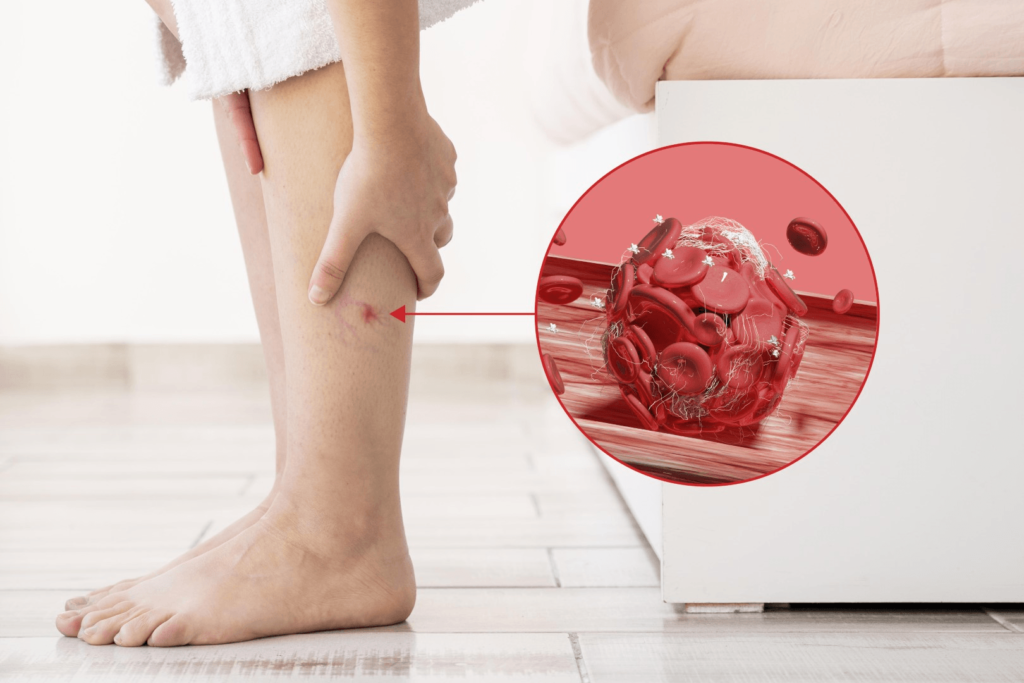
Weather Conditions Affect Varicose Veins? Have you ever noticed that your varicose veins seem to worsen during certain seasons or weather patterns? You’re not alone. Many individuals experience fluctuations in their vein health that coincide with changes in the weather. In this blog, we’ll explore the fascinating topic of how climate influences varicose veins. From sweltering summers to chilly winters, we’ll uncover the connections between weather conditions and the onset or exacerbation of vein-related issues. Moreover, we’ll examine the insights provided by renowned experts in the field, such as Dr. Preethi Mrinalini, known as the best female doctor in Chennai. Weather and Varicose Veins:Weather plays a significant role in the development and aggravation of varicose veins. Changes in temperature and humidity levels can affect blood flow and vein elasticity, thereby impacting vein health. Here’s how different weather conditions can influence varicose veins. 1. Hot Weather: High temperatures can cause veins to dilate, leading to increased blood pooling and pressure in the veins. This can exacerbate existing varicose veins and contribute to discomfort and swelling in the legs.2. Humidity: Humid weather can also impact varicose veins by causing the body to retain more water, leading to swelling and inflammation. Additionally, humidity can make it more challenging for the body to regulate temperature, further exacerbating vein dilation.3. Cold Weather: While cold weather may temporarily alleviate symptoms of varicose veins by constricting blood vessels, prolonged exposure to cold temperatures can lead to stiffness and reduced circulation in the legs, potentially worsening vein issues.4. Barometric Pressure: Changes in barometric pressure, often associated with weather fluctuations such as storms or changes in altitude, can affect blood flow and exacerbate symptoms of varicose veins in some individuals.Managing Varicose Veins Regardless of Weather:Regardless of weather conditions, individuals with varicose veins can take steps to manage their condition effectively. Dr. Preethi Mrinalini recommends the following strategies: Maintain a healthy weight and engage in regular physical activity to promote good circulation. Elevate legs when resting to reduce swelling and improve blood flow. Wear compression stockings to support veins and alleviate symptoms. Stay hydrated and consume a balanced diet rich in fiber and nutrients to promote overall vascular health. Consult with a vascular specialist like Dr. Preethi Mrinalini for personalised treatment options, including minimally invasive procedures for varicose vein removal. Conclusion:Weather conditions can have a notable impact on varicose veins, affecting blood flow, vein elasticity, and symptom severity. By understanding these influences and implementing proactive measures, individuals can effectively manage their varicose veins regardless of the weather. With the guidance of experts like Dr. Preethi Mrinalini, renowned as the best female doctor in Chennai, individuals can receive comprehensive care and support for their vascular health needs. Recent Posts What is the Connection Between Obesity and Vascular Health Issues? 26 Mar 2024 Weather Conditions Affect Varicose Veins? 26 Mar 2024 Functional Considerations in Breast Reconstruction 19 Mar 2024 What is Oncoplastic Breast Conservation Surgery? 19 Mar 2024 Top 5 Food Additives Linked to Breast Cancer 11 Mar 2024 Have Any Question? Contact us +91 98840 00171 [email protected]
Functional Considerations in Breast Reconstruction
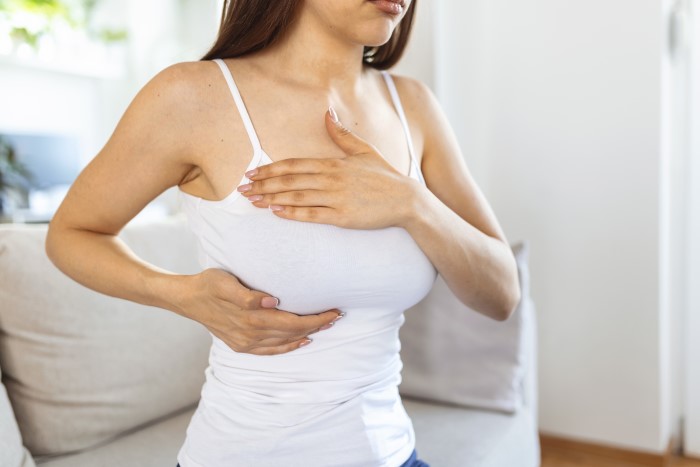
Functional Considerations in Breast Reconstruction Breast reconstruction surgery is not just about aesthetics; it’s also about restoring function, comfort, and confidence for women who have undergone mastectomy or breast-conserving surgery. Dr. Preethi Mrinalini, renowned as the best female surgeon in Chennai, emphasises the importance of addressing functional considerations in breast reconstruction. Let’s delve into this critical aspect of the reconstruction process. The Role of Functionality While the primary goal of breast reconstruction is to restore a woman’s physical appearance post-mastectomy, it’s equally vital to consider functional aspects. The breasts serve various functions beyond aesthetics, including sensation, mobility, and even posture. Neglecting these aspects can impact a woman’s overall well-being and quality of life. Sensation and Nerve Reconstruction One of the significant challenges in breast reconstruction is restoring sensation to the breasts. Dr. Mrinalini employs advanced techniques to reconnect nerves during reconstruction, aiming to preserve or restore sensation whenever possible. This not only enhances the woman’s experience but also contributes to her overall body image and self-esteem. Mobility and Flexibility Breast reconstruction can influence mobility and flexibility, particularly if the procedure involves muscle tissue from other parts of the body. Dr. Mrinalini carefully considers these factors, aiming to minimize any impact on the patient’s range of motion and physical activities. By preserving muscle function and optimising surgical techniques, she ensures that women can maintain their active lifestyles post-reconstruction. Posture and Comfort The size, shape, and weight of reconstructed breasts can affect a woman’s posture and comfort. Dr. Mrinalini takes into account these factors during the reconstruction process, striving to achieve a balance that not only looks natural but also feels comfortable. By customising each procedure to the individual patient’s needs and body type, she ensures optimal outcomes in terms of both function and aesthetics. Psychological Well-being Functional considerations in breast reconstruction extend beyond the physical aspects to encompass psychological well-being. Feeling comfortable and confident in one’s body is essential for overall mental health and self-esteem. By addressing functional concerns alongside aesthetic goals, Dr. Mrinalini helps her patients regain confidence and reclaim their sense of femininity after breast cancer treatment. Conclusion Breast reconstruction is a multifaceted process that goes beyond restoring appearance alone. Dr. Preethi Mrinalini, recognised as the best female surgeon in Chennai, emphasises the importance of considering functional aspects in reconstruction surgery. By prioritising sensation, mobility, posture, and comfort, she ensures that her patients achieve not only beautiful results but also improved function and overall well-being.If you’re considering breast reconstruction surgery, it’s crucial to consult with a skilled and experienced surgeon like Dr. Mrinalini, the Best female surgeon in Chennai who understands the importance of addressing functional considerations. With her expertise and compassionate approach, you can embark on a journey to restore not just your physical appearance but also your confidence and comfort. Recent Posts Functional Considerations in Breast Reconstruction 19 Mar 2024 What is Oncoplastic Breast Conservation Surgery? 19 Mar 2024 Top 5 Food Additives Linked to Breast Cancer 11 Mar 2024 Explore the Role of 3D Printing in Breast Reconstruction 11 Mar 2024 Robotic Surgery: Gynaecology 08 Mar 2024 Have Any Question? Contact us +91 98840 00171 [email protected]